Blog & News
Most of us know what it feels like to be sleep deprived for a few days, and the effects that can have on us. Things like low concentration and focus, less patience, increased irritability, changes in hunger hormones, low energy, and more.
The link between sleep and pain works in much the same way, but it is a two way relationship. Poor sleep increases pain sensitivity, and increased pain affects sleep and sleep quality.
A Harvard Medical School Perspective, elaborates on the importance of “Prevention as being the best medicine. Catching a problem early, before it has a chance to develop, is often far easier and more successful than trying to treat it after the fact.”[9]
This simple truth is the foundation of stronger families and stronger communities. Routine check-ups, screenings, and early treatment-seeking are not only for people who feel sick. They are a proactive strategy that reduces suffering, saves lives, and lowers healthcare costs. When families embrace preventive care at every stage of life, the impact extends to schools, workplaces, and the wider community.[1]
When you think about “medicine,” what comes to mind? Probably a prescription, a tablet, or a trip to the clinic. However, some of the most powerful tools for protecting your long-term health aren’t found in a pharmacy alone. They’re found in your daily choices which make-up your lifestyle.
Every year on June 14, the world marks World Blood Donor Day, as a day to thank voluntary blood donors and to remind everyone that hospitals cannot function without blood. In South Africa and Zimbabwe, June falls in the middle of winter. Temperatures drop, flu season peaks, and donor turnout falls. But clinical demand for blood does not pause for the weather.[1]
If you have never donated, or it has been a while, this is the week to change that. One donation takes 30 minutes. It costs you nothing.[2]
There is a well-documented pattern in men’s health: symptoms appear, are dismissed as normal, and medical attention is delayed until the problem becomes significantly harder to manage.
Men are often more likely than women to delay or avoid seeking professional medical care [1]. In Zimbabwe this tendency is compounded by cultural norms around masculinity and self-reliance, where visiting a doctor can feel like admitting weakness [2]. However, it is important for men to acknowledge when something is a new symptom or has been going in for a while. The result is that conditions which are highly treatable in their early stages become more serious.
This post will walk you through physical warning signs that are commonly normalised by men, but should never be ignored.
June marks the middle of the year, and a very important time of the year, that is a built-in reset button and recognized globally as Men’s Health Month, with the goal of getting men talking, checking, and acting on their health before problems become emergencies. In the Zimbabwean context, where we are wired to “push through” and “handle it later,” that message matters even more.[1]
There is a well-documented pattern in men’s health: symptoms appear, are dismissed as normal, and medical attention is delayed until the problem becomes significantly harder to manage.
Men are often more likely than women to delay or avoid seeking professional medical care [1]. In Zimbabwe this tendency is compounded by cultural norms around masculinity and self-reliance, where visiting a doctor can feel like admitting weakness [2]. However, it is important for men to acknowledge when something is a new symptom or has been going in for a while. The result is that conditions which are highly treatable in their early stages become more serious.
This post will walk you through physical warning signs that are commonly normalised by men, but should never be ignored.
For people navigating the demands of work, family, and commuting, the evidence is clear: you don’t need hours at the gym or restrictive diets to see measurable benefits. Research pioneered at Harvard Medical School and Harvard T.H. Chan School of Public Health, where leading clinicians and scientists have demonstrated that small, consistent daily habits are among the most powerful levers for preventing chronic disease and extending healthspan.[1] Short, practical interventions in meal preparation, snacking patterns, and stress management can lower blood pressure, improve metabolic health, and reduce 10-year cardiovascular risk when applied consistently. [2]
Zimbabwe’s winter may be considered mild by global standards, but the cold can still have an effect on your joints. If you live with arthritis, chronic pain, or any condition involving joint inflammation, you may already notice your body responding to the seasonal change.
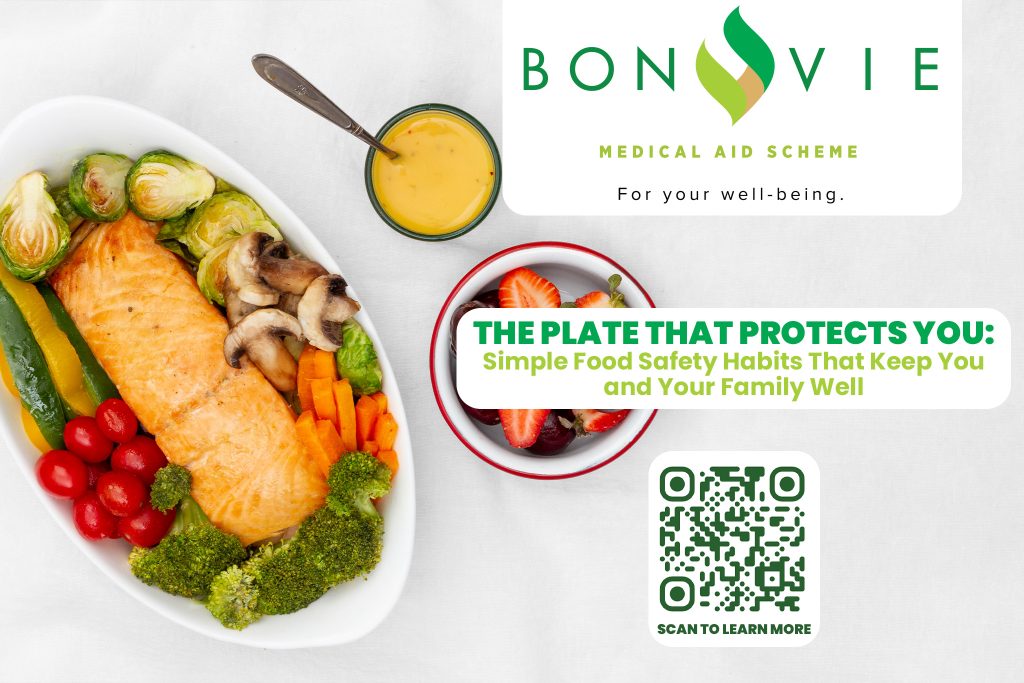
Food safety conversations often start with fear. “Don’t eat that.” “That will make you sick.” But what if food safety wasn’t about fear, but about power? Your plate is the front line of your health and your family’s health. The World Health Organization estimates that unsafe food causes 600 million cases of foodborne illness and 420,000 deaths every year. Most of these are preventable with simple daily habits.[1] Having worked with families, vendors, and small food businesses for years. The pattern is clear: people don’t get sick because they don’t care. They get sick because no one showed them practical habits that work with real budgets, real time pressure, and real kitchens.[2] Drawing on WHO, FAO, and CDC guidance, we present four practical, low-cost habits that work in homes across Africa.
The rise of smartphones, laptops, and tablets over the last 25-30 years has quietly created a new kind of public health problem. Chances are that it affects you right now, as you read this. It is called tech neck (aka text neck), and researchers have described it as a global epidemic of the modern era [1].
Tech neck is a relatively new term that describes neck pain and damage resulting from looking down at electronic devices for prolonged periods. Though it may sound simple, the mechanics behind it tell a different story and the health consequences go far beyond just a stiff neck.
For people navigating the demands of work, family, and commuting, the evidence is clear: you don’t need hours at the gym or restrictive diets to see measurable benefits. Research pioneered at Harvard Medical School and Harvard T.H. Chan School of Public Health, where leading clinicians and scientists have demonstrated that small, consistent daily habits are among the most powerful levers for preventing chronic disease and extending healthspan.[1] Short, practical interventions in meal preparation, snacking patterns, and stress management can lower blood pressure, improve metabolic health, and reduce 10-year cardiovascular risk when applied consistently. [2]
If you live with aching, stiff, or swollen joints, you may have already tried many things to manage them including rest and pain medication. One factor that is often overlooked is what you eat every day. Growing research suggests that your diet can either increase joint inflammation or reduce it. The difference can be significant.
High blood pressure rarely announces itself with pain or fever. You can feel perfectly fine while damage quietly builds inside your arteries, heart, kidneys, and brain. That’s why healthcare professionals call it the “silent risk”. It’s common, serious, and manageable if you catch it early.[1] Blood pressure is the force of blood pushing against artery walls every time your heart beats. It’s recorded as two numbers: *Systolic pressure is the top number, pressure when the heart contracts and diastolic pressure is the bottom number, pressure when the heart rests between beats. When these numbers stay high, arteries become stiffer and narrower, forcing the heart to work harder and damaging organs over time.[1]
In a world where healthcare costs are rising and lifestyles are increasingly busy, the power of prevention is more crucial than ever [1]. Prevention isn’t just about avoiding illness; it’s about taking control of your health to live a fuller, more vibrant life. By mitigating risks through simple steps like routine check-ups, healthy eating, and stress management, you empower yourself to reduce the likelihood of serious health issues [2]. Understanding why prevention is gold may actually be the smartest health investment you can make for not only today, but the future.
Researchers have proven that prevention is critical in reducing disease burden [3]. They emphasize early detection, screening, and a holistic approach to health, incorporating factors like education, employment, housing, and nutrition. There are four levels of prevention: primordial, primary,
Think about the last time you ended a day having completed everything on your to-do list and felt completely exhausted. You were organised, showed up and did the work and yet by evening, you had no energy left. When you allow yourself to consistently get depleted to this level it has some detrimental snowball effects. Such as making poorer food and eating decisions, less motivation for physical activity and increased irritability which can strain relationships [6]. This experience has a name, and it is not laziness. It is what happens when you manage your time well, but ignore your energy entirely. It is called an energy debt as it accumulates faster than it is repaid [1].
While time is fixed, energy is renewable if you know how to manage it. If you manage it well, it has a positive impact on your long-term health without jeopardising productivity.
You wake up, drive to work, sit at your desk for eight hours, drive home, and settle onto the sofa for the evening. Sound familiar? For many working Zimbabweans, especially those in office-based roles, this is a very ordinary day. But research increasingly shows that this pattern is doing quiet, cumulative damage to your body, and that your weekly gym session may not be enough to undo it.
As winter settles in Zimbabwe, it is time to take proactive steps to boost our immunity and stay healthy. While external factors like healthcare and environmental conditions play a role, personal responsibility and lifestyle changes are crucial in preparing our bodies for the challenges of winter. In this article, we will explore the benefits of seasonal foods, traditional Zimbabwean superfoods, and healthy habits that can help us navigate the winter months with confidence.[1].
Walking is one of the simplest and most significant activities you can do for your health. Regular walking offers a wide range of health benefits for both your body and mind, benefits that can rival many medical interventions.
A healthy gut is crucial for overall well-being, influencing digestion, immunity, and even mood. The gut microbiome, comprising trillions of bacteria, plays a vital role in our health [1].
In the pursuit of a healthier Zimbabwe, the age-old adage “prevention is better than cure” rings truer than ever. As the country grapples with infectious diseases like HIV, TB, and malaria, alongside rising non-communicable diseases, preventative care is the key to reducing the burden on the healthcare system and improving overall well-being. Vaccination, a cornerstone of preventative care, has been instrumental in controlling diseases like measles, polio, and COVID-19 [1]. However, in the post-COVID-19 era, vaccination efforts are met with both enthusiasm and skepticism, fueled by conspiracy theories and misinformation. Despite these debates, vaccinations remain a necessary effort in protecting individuals and communities.
Back pain is one of the most common reasons people miss work, visit a doctor, and experience a reduced quality of life and it is just as prevalent in Zimbabwe and across sub-Saharan Africa as it is anywhere else in the world¹ ², cutting across all types of work including physical and desk-based.²
Globally, low back pain has become the leading cause of disability worldwide, with 568 million people affected at any given time.³ The encouraging reality is that a meaningful proportion of back pain is preventable, and the habits that prevent it are largely within your control every day.
Think of your energy like a battery, with a scale of 1-10. Some things charge it like a good night’s sleep, a nourishing meal, time with people you love. Other things drain it like a difficult conversation, a relentless workload, a night of broken sleep. By the end of the day you want to have used your energy well, but not completely depleted. Aim for no lower than 2 or 3 out of 10 at the end of the day.
The liver is a vital organ that plays a central role in maintaining overall health and well-being in Zimbabwe. Located in the upper right side of the abdominal cavity, the liver performs over 500 functions, including detoxification, metabolism, and energy production [1]. Your liver is a silent hero, working hard to detoxify, metabolize, and energize your body. But often, we take it for granted until problems arise. In Zimbabwe, where diseases like hepatitis and liver cancer are prevalent, maintaining liver health is crucial [2].
If your knees feel stiff in the morning, ache at the end of a long day, or you feel stiffness when you rise from a chair you are far from alone. Knee osteoarthritis (OA) is the most prevalent form of arthritis worldwide, and its burden is rising sharply across sub-Saharan Africa. A 2024 South African study found that among adults attending physiotherapy at a public hospital, 55.7% had OA, with knee OA accounting for the most severe pain.¹ Zimbabwe’s low recorded OA statistics likely reflect underreporting rather than a genuinely lighter disease burden, meaning the true prevalence here is almost certainly higher than official figures suggest.²
Whether you are already diagnosed or noticing early warning signs, understanding what helps and does not can meaningfully change how you live with this condition.
“The brain is a world consisting of a number of unexplored continents.” – Santiago Ramón y Cajal
Brain health is a cornerstone of overall wellbeing, influencing memory, decision‑making, and emotional resilience. Emerging research highlights two powerful, non‑pharmacological ways to protect and enhance the brain: mindfulness practices and physical activity. Together with other lifestyle choices such as social engagement, sleep management, and stress reduction, these strategies form a holistic approach to maintaining cognitive vitality, especially in aging populations and diverse settings like Zimbabwe [1].
Your health is your greatest asset, and you can make choices everyday to invest in it and protect it. Good health is rarely built on big, dramatic moments. It is built quietly, in the small choices you make every single day. The choices that don’t really feel significant at the time, but build up over months and years into good health. Taking action toward health prevention is one of the greatest gifts you can give yourself, so here are five daily habits that support your wellbeing well into the future.
As we kick off April, and celebrate Easter, it is time to take ownership of our health. World Health Day reminds us that small daily habits can have a profound impact on our wellbeing. With the numerous conflicting health claims, one can be overwhelmed and feel confused. insights and practical tips to empower you to take ownership of your health, with small practical ways that can make a big difference in your health and wellbeing! [1].
Many people misunderstand healthy aging as simply avoiding illness. In reality, it’s about maintaining your independence, mobility, strength, and quality of life as you grow older. The World Health Organization defines healthy ageing as developing and maintaining the functional ability that enables wellbeing in older age [1]. In practical terms, that means being able to move well, think clearly, manage daily activities, and stay socially connected. It’s less about adding years to life, and more about adding life to the years.
The good news is that the most important factors that support healthy ageing are within your control.
As we continue to celebrate women’s month. We cannot overlook the numerous hats and demands that a woman has, and the big task of being able to balance out each area while aiming to avoid nutritional deficiencies, and promoting her own health to reduce chronic disease risk. These requirements play a key role in shaping lifestyle factors such as diet, exercise, and stress, which all play a significant role in women’s health, influencing reproductive, mental, and physical well-being [1]. Understanding these impacts can empower women to make informed choices, improving quality of life and reducing disease risk.
Women are 1.5 times more prone to mental health issues in comparison to men globally, as they are affected by many factors ranging from hormonal changes, stress and environmental factors as major contributing factors. Over time the solutions for women’s mental health have evolved from one sided to a comprehensive and collaborative approach. With more emphasis being on the younger generation, who are more prone to mental health challenges. This article explores the intersectionality of mental health, nutrition, and alternative healthcare interventions, highlighting the need for a holistic approach to address the unique challenges faced by women.
We all know the importance of maintaining our health and that habits matter, but the part most of us struggle with is starting or implementing a new habit which we know will be good for us.
The good news is that habits are just patterns you learn. And with the right approach, you can build habits that support your long-term health and protect you from silent diseases that are on the rise here in Zimbabwe.
Women are 1.5 times more prone to mental health issues in comparison to men globally, as they are affected by many factors ranging from hormonal changes, stress and environmental factors as major contributing factors. Over time the solutions for women’s mental health have evolved from one sided to a comprehensive and collaborative approach. With more emphasis being on the younger generation, who are more prone to mental health challenges. This article explores the intersectionality of mental health, nutrition, and alternative healthcare interventions, highlighting the need for a holistic approach to address the unique challenges faced by women.
Stress and pain share biological and neurological processes in your body. So if you feel you have noticed a link between stressful times and more physical discomfort- it’s a very real thing. When you understand what is happening under the surface you are better equipped to prevent long-term problems and recover more effectively.
Over the past two decades, there has been a significant increase in awareness and research in women’s health, for good reason. Historically, much of exercise and medical research was conducted primarily on men, and the findings were often applied directly to women. We now understand that women are not simply “small men.” Female physiology differs meaningfully, particularly due to hormonal fluctuations that influence metabolism, hydration, temperature regulation, and recovery [6.]
In fact, policy changes in the early 1990s, marked a major turning point, with more rapid growth in sex-specific research accelerating in the 2000s and 2010s.
Exercise should be something that supports your life, not exhausts you. For women, the body goes through many changes across the monthly cycle, during pregnancy, after childbirth, and through menopause. These body changes can affect your strength, energy, and recovery. When you understand them, you can exercise in a way that protects your long-term health and feels sustainable.
Zimbabwe has a population of approximately 7.5 million women, who face numerous health challenges. According to the Zimbabwe Demographic and Health Survey (2015), common health issues affecting women include maternal mortality (651 deaths per 100,000 live births)[1], HIV prevalence (16.4% among women aged 15-49)[1], cervical cancer (highest incidence in Southern Africa)[2], and mental health disorders (affecting 1 in 5 women)[3]. This article explores key areas impacting women’s health in Zimbabwe: Reproductive Health, Mental Health, Women’s Health across Life Stages, and Lifestyle Factors, with an epidemiological perspective.
Plant-based foods are common as a staple in Africa, Asia and certain parts of America. Due to the climate,geography and financial implicatiThesepThese are rich in essential nutrients, fiber, and antioxidants, making them an ideal choice for maintaining cardiovascular health. A diet rich in plant-based foods has been shown to reduce the risk of CVD, including heart attacks, strokes, and high blood pressure.
Cardiovascular disease (CVD) is a leading cause of death globally, with an estimated 17.9 million deaths attributed to it in 2019 alone [1]. While traditional risk factors such as hypertension, diabetes, and high cholesterol are well-established, emerging evidence suggests that oral hygiene may also play a role in CVD risk. In this article, we’ll explore the connection between oral hygiene and CVD, highlighting the latest research and what you can do to protect your heart.
The month of celebrating love is here, and the ladies are excited as it is not a leap year. But we must still celebrate the men, and show our love for them too. As we embrace love in its many forms – self-love, romantic love, love for life – it’s essential to prioritize our body’s well-being. Celebrations don’t have to mean overindulgence or burnout; instead, they can be opportunities to practice mindful self-care and make choices that support our overall health. With a big emphasis on balancing lifestyle habits for better immunity and stress management , as we celebrate Valentine’s day.
You can support your physical health over the long term without relying on medical care alone. This is because your daily habits, environment, and ability to manage your health consistently- play a major role in preventing illness and maintaining quality of life. In Zimbabwe, where many people balance demanding work, family responsibilities, and high stress, lifestyle and self-management are especially important.
Physical health refers to how well your body functions day to day and over time. This includes heart and metabolic health, joint and muscle function, energy levels, immune system strength, and your ability to recover from physical and emotional stress.
Your joints play a vital role in how you move, work, and live each day. Whether you are walking to the shops, sitting at a desk, carrying groceries, or playing with children- healthy joints allow you to move with ease and confidence. Yet joint pain , stiffness and reduced mobility are increasingly common, especially as you get older or if your daily routine involves long periods of sitting or repetitive movements
The good news is that joint health is not only about age or genetics. The way you move and the habits you practice everyday can influence your long term joint health [1].
Your body is constantly keeping up and adapting to daily life, work demands, stress, movement, rest, and recovery. The earliest signs of joint issues are often subtle. Learning what to look out for helps you respond earlier and maintain your quality of life.
Your joints play a vital role in how you move, work, and live each day. Whether you are walking to the shops, sitting at a desk, carrying groceries, or playing with children- healthy joints allow you to move with ease and confidence. Yet joint pain , stiffness and reduced mobility are increasingly common, especially as you get older or if your daily routine involves long periods of sitting or repetitive movements.
February is the month of love, and what better way to think deeply about matters of the heart, than by looking after your cardiac health using practical but simple tips to keep it beating strong! In Zimbabwe, we understand the importance of prioritizing health, especially heart health, as Cardiovascular diseases (CVDs) are a leading cause of death globally, including in Zimbabwe.[1] This article provides a comprehensive guide to heart health, risk factors, prevention strategies, and management options, focusing on Zimbabwe’s situation from 2019 to 2026.
As a woman your cervix plays an important role in fighting infections, caused by viruses such as HPV or inflammation from bacterial dysbiosis : overgrowth of bacteria that leads to increased susceptibility to STI’s such as chlamydia and gonorrhoea. With this in mind, one can see that cervical health is the cornerstone of reproductive health,which greatly impacts menstruation, fertility and childbirth. As a vital part of every woman’s wellness, it often gets overlooked. In Zimbabwe, cervical cancer is a leading cause of cancer-related deaths among women (1). Cervical cancer occurs when abnormal cells in the cervix grow uncontrollably. The cervix is the lower part of the uterus, connecting to the vagina (2). The good news is that it is preventable and treatable if caught early.
The holidays are over, but the financial hangover lingers. If you’re feeling stressed about debt, you’re not alone. The pressure to spend, coupled with the pressure to create perfect memories, can lead to financial strain that extends into the new year. Here are some tips to help you manage holiday debt stress and protect your mental health:
COVID has made a lot of us very conscious of the role that a healthy and strong immune system plays in our health. So much that even now, after the epidemic has passed, there has been a growing interest in natural methods to boost immunity and prevent diseases (1). The increasing prevalence of chronic diseases and antibiotic resistance is an important factor in exploring evidence-based strategies to enhance immune function. The immune system is a complex network of cells, tissues, and organs that work together to defend the body against pathogens and other foreign substances (2).
As we settle into the new year, many of us are thinking about making positive changes to our daily habits (1). Building a healthy routine can seem daunting, but the truth is, small steps can lead to big changes. In this article, we’ll explore the science behind habit formation and provide practical tips to help you build a healthy routine that sticks.
As we welcome 2026, many of us are thinking about making positive changes to improve our overall well-being. Incorporating simple wellness habits into our daily routines can have a profound impact on our mental and physical health. In this article, we will explore simple yet effective wellness habits to help you transform your life in 2026.
We wish you a merry Christmas and a happy new year! 2025 has been amazing, and we are counting down as we prepare for the end of the year. It is an excellent time to reflect on your health and wellbeing (1). Especially after we have enjoyed the festive treats and yummy dishes. Beyond counting calories, just having a game plan to boost your health will give you confidence to start the new year on a healthier and happier note! Now is definitely the perfect opportunity to prioritise your health and make positive changes.
Disability is not merely a medical condition—it is a social experience shaped by access (or lack of it) to health services, assistive devices, and inclusive policies. In Zimbabwe (and across the globe), medical aid societies sit at a crucial intersection of finance, health delivery, and social responsibility. Their role is to ensure that members with disabilities receive dignified, affordable, and comprehensive care. This article explores how societies can embed disability‑inclusive practices, the challenges they face, and concrete steps toward true equity—while keeping the narrative grounded in human rights, economic sense, and lived realities.
HIV is one disease that was once considered to be associated with a lot of stigmatization, over the years this has changed, due to a lot of awareness has been done to remove this mentality, and fear of testing for HIV. Despite remarkable progress toward the 95‑95‑95 targets, there is still a high stigma associated with being HIV positive and the number of late HIV diagnosis persists as a critical barrier to epidemic control in Zimbabwe.
As men, we often prioritize our work, family, and social lives, but neglect our own health. However, prostate cancer and erectile dysfunction (ED) are two significant health concerns that affect millions of men worldwide. As we round up the last week of November, we will explore the risks, symptoms, and treatment options for these conditions, and discuss the importance of men’s health screening.
Every mothers desire is to have a healthy baby born after carrying this precious gift in her womb for so many months. There is a personal connection that is not understood, but a strong bond that makes the mother feel the pain and joys of her baby during and even after giving birth. Having a premature birth is one which not only affects the health of the baby, but has a strong mental impact on the mother too. It is a significant public health concern in Zimbabwe, claiming the lives of thousands of babies every year (1). According to the World Health Organization (WHO), Zimbabwe has a preterm birth rate of 11.1%, one of the highest in the world.
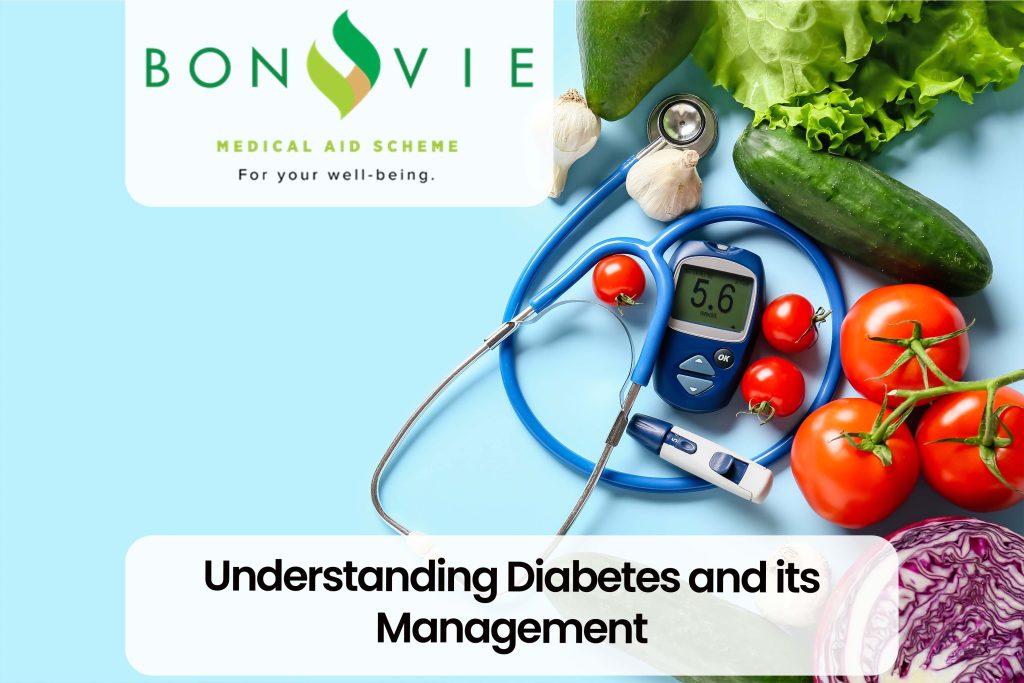
Diabetes was first described as a disease causing excessive and sweet urination, over 3500 years ago. Before a more accurate description was given by Aretaeus, who named it Diabetes and later on Mellitus was added by another scientist. This chronic metabolic disorder disease is characterized by high blood glucose levels, which can lead to serious complications if left unmanaged (1). According to the International Diabetes Federation, approximately 463 million adults worldwide are living with diabetes, with this number expected to rise to 700 million by 2045 (2).
Despite the increased rate of awareness campaigns, men’s health is a significant health concern for men in Zimbabwe, with increasing incidence and mortality rates [1]. As men tend to seek health assistance, when the disease has progressed due to cultural beliefs, fear of being seen as weak and other factors related to manhood myths of being tough and not emotional. Early detection and prevention of cancer, non communicable diseases such as diabetes, high blood pressure and mental health ailments are crucial in reducing the burden locally. This article aims to provide an overview of diseases that affect men, risk factors, early detection methods, and prevention strategies in Zimbabwe.
Western diet is convenient, fast to prepare and delicious. One of the most popular food diets in the world, but it has shown to be the cause of the ever increasing disease burden globally. With prostate cancer being one of the diseases that are of health concern for men worldwide (1). While medical treatment is essential, nutrition plays a crucial role in prevention and management (2). A well-balanced diet can help reduce the risk of developing prostate cancer or slow its progression (3).
Hormones are very powerful signals in the human body that can have profound impact on one’s mood, behaviour and overall health. It is important to take note that hormone levels begin to fluctuate from the moment one wakes up, with factors such as sleep quality, metabolism and homeostasis having an impact on the body. Slight changes in the normal or baseline hormonal levels are linked to health ailments, hence hormonal imbalances play a crucial role in the development and progression of breast cancer. Estrogen and progesterone, two essential hormones in the female body, can fuel the growth of cancer cells when out of balance. In this article, we will explore the relationship between hormonal imbalances, breast cancer, and strategies for treatment and management [1].
The relationship between gut health and breast cancer treatment has gained significant attention in recent years. Emerging evidence suggests that the gut microbiota plays a crucial role in modulating the immune response, influencing treatment efficacy, and impacting overall health outcomes in breast cancer patients.
Breast cancer is a significant health challenge worldwide, with Zimbabwe being ranked as one of the top 15 countries in Africa with an incidence rate of 35.34 per 100 000 and the leading cause of cancer related deaths. Medical care providers are guided on the size using stages of breast cancer in the body and this helps determine the best treatment using the information obtained from a combination of blood tests and scans. This is crucial as understanding its stages and treatment options will ensure the most effective management or treatment methods are utilised.
Mental health and sleeping disorders are closely linked, with each influencing the other in complex ways [1]. Sleep disturbances can contribute to the development of mental health issues, while mental health conditions can disrupt sleep patterns. Understanding this bidirectional relationship is crucial for developing effective treatment strategies.
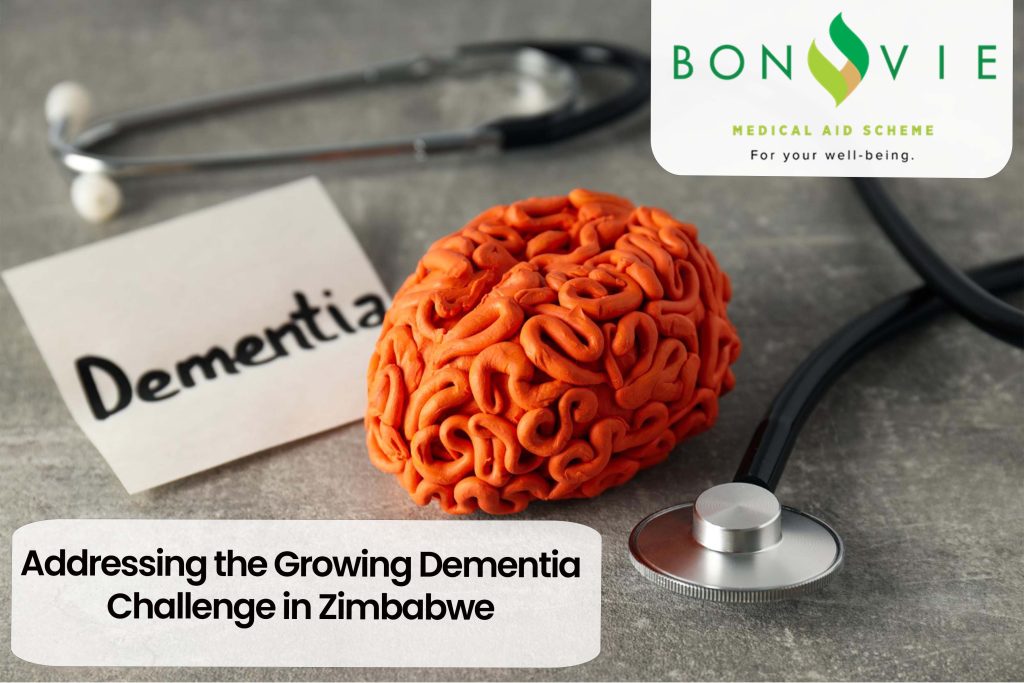
Dementia is a rapidly growing health concern in Zimbabwe, with a staggering 27,377 individuals currently living with the condition (1). Projections indicate a 194% increase to 80,386 by 2050, driven by an aging population and overall population growth (2). As we face this crisis, it is imperative that we take immediate action to address the challenges and risks associated with dementia.
Suicide is a global public health issue that affects individuals, families, and communities. According to the World Health Organization (WHO), approximately 800,000 people die by suicide every year, which is one person every 40 seconds (1). Emerging research has shown that the foods one eats and nutritional deficiencies have an impact on the overall mood and emotional wellbeing, using a holistic approach, with a team of supporting qualified health professionals. In this article, we will discuss the importance of suicide prevention and the role individuals can play in supporting those in need.
In Zimbabwe, where mental health issues are increasingly recognized as a major public health concern, understanding the relationship between nutrition and mental well-being is crucial. Mental health and nutrition are intricately linked, with a growing body of evidence suggesting that dietary patterns play a significant role in maintaining good mental health. This article explores the nexus between mental health and nutrition in Zimbabwe, highlighting the challenges, opportunities, and potential solutions.
Plant based diets have shown immense benefits in the management and prevention of inflammatory diseases, such as high blood pressure, type 2 diabetes and cancers. Diets rich in fiber, vitamins, minerals and antioxidants can be an effective approach in reducing risk factors for cardiovascular disease, in combination with lifestyle changes. Plant-based nutrition, in particular, has been shown to be a powerful tool in reducing blood pressure and improving overall cardiovascular health [1].
High blood pressure has become a global disease burden, with 45% of adults being unaware of having the condition of hypertension, 42% of diagnosed adults being treated and 1 in 5 having the hypertension under control. These statistics show how management is an area of concern, as the majority of diagnosed cases are experiencing challenges in keeping steady blood pressure readings.
High blood pressure, also known as hypertension, is a serious health condition that affects millions of people worldwide (1). It is often referred to as a “silent killer” because it can cause significant damage to the body without noticeable symptoms (2). In this article, we will explore the causes of high blood pressure, its effects on the body, and what you can do to manage it.
Breast milk is widely recognized as the optimal nutrition for newborns, providing a unique blend of nutrients, antibodies, and bioactive factors that support growth, development, and immune function. As a breastfeeding mom, it’s essential to fuel your body with nutrient-rich foods to support milk production and overall health. A well-balanced diet can help ensure that you and your baby receive the necessary nutrients for optimal health.
Skin breakouts are a natural part of life, from baby heat rash to adolescent acne, pregnancy rashes to general irritations such as dry skin. For a long time now, dermatologists have been the center of skin related issues, with emphasis on cosmetics as a short term solution to improve skin health. With growing interest on how two seemingly distinct systems, the gut and the skin, have been found to be intricately connected. Research has revealed a bidirectional relationship between the gut microbiome and skin health, suggesting that an imbalance in the gut microbiome, also known as dysbiosis, can contribute to various skin disorders (1).
Your gut is home to over 10-100 million bacteria, commonly known as the second human genome, as there are 150 times more than human genes. This colony of bacteria resides mainly in the colon, which is one of the reasons behind the increased number of colon cleanse products for improved digestion, increased energy levels, weight loss and detoxification. Research has proven that gut microbiome plays a crucial role in one’s overall health, influencing everything from digestion to mood and cognitive function (1). An imbalance of gut bacteria, also known as dysbiosis, has been linked to various diseases, including mental health disorders, digestive issues, and even chronic diseases like obesity and diabetes (2, 3).
Children are the apple of every parent’s eye, and seeing them healthy is one of the best gifts to give them. Joy, which is short-lived, when you see your child suffering from gastric health issues. Over the years, we are seeing an increase in the number of children being hospitalised due to H. pylori or gastric health issues. It is of major concern, as this disease has a combination of short- and long-term impacts on a child’s quality of life. In this article, we will discuss the importance of managing gastric health in children and provide a comprehensive approach to doing so.
67.7% of Zimbabweans are affected by gastritis or stomach ulcers caused by Helicobacter pylori. This is of great concern, as it can have long-term impacts on an individual’s quality of life and increase the risk of esophageal cancer. With 456 per 100 000 new cases of duodenal ulcers in the hospital. In this article, we will explore the relationship between stomach ulcers, gut health, and esophageal cancer, highlighting the importance of prevention and early detection.
Early childhood has repeated exposures to infectious diseases, which result in the inflammatory responses from the innate immune system. It is of importance to understand how the gut-brain connection disruption can weaken children’s immunity system and make them more prone to infections or flus. [1]. The gut-brain connection has significant implications for clinical practice. Healthcare providers should consider the potential role of the gut microbiome and vagus nerve in boosting immunity while developing treatment plans for patients with compromised or weaker immune systems. [3]. This may include recommending dietary interventions, probiotics, or other approaches that target the gut-brain axis.
Precision nutrition has revolutionized the way we approach health and wellness. By tailoring dietary recommendations to an individual’s unique genetic profile, nutritional needs, and health status, precision nutrition offers a promising approach to preventing and managing various health conditions, including the common cold.
Boosting immunity is not an easy task, as it goes beyond the normal trends of eating more citrus fruits, Vitamin C supplementation or having the jab. Hence making this norm belief of boosting individual immunity to be very tempting, but the capacity is misleading for many reasons. As there are specific strategies and nutrients that one needs to adhere to, for optimal support of the immune system during winter.
June is here, one of the coldest months of the year, and as the season changes, there is an increase in the number of people fighting the common cold. Besides your innate or in-built immunity, you have to take extra precautions to ensure that you enjoy the winter season. By having a strong immune system, which can be your best defence against this pesky virus. In this article, we’ll explore the role of immunity in fighting colds and discuss how vitamin C therapy and steaming can help boost our defences.
Herbal remedies date back to over 100 years, as the main treatment for diseases, with 25% or more of conventional medicines originating from plants, leaves, stems and flowers. These can be used as a preventative measure if administered the right way and used at the correct dosage, toxicity level and time. This is key as high doses can increase risk to breast cancer, while the normal doses have a preventative effect on breast cancer prevention. (1)
Advanced-stage breast cancer presents complex challenges, and a comprehensive approach incorporating nutrition can help optimize treatment outcomes and quality of life. Current dietary guidelines fail to address adequate dietary intakes of macro- and micronutrients that may improve patients’ nutritional status. (1) Hence the importance in addressing nutrition using an integrated approach, especially for advanced breast cancer patients during treatment, as opposed to just the traditional therapies being utilised.
Written by Professor Stephen Mashingaidze and Rumbidzai Mukori-William This article incorporatesreference to the University of Zimbabwe Medical School, highlighting global research insights in addressing breast cancer in Zimbabwe. Breast cancer is a significant health concern globally, with varying prevalence rates across different regions. In Zimbabwe, breast cancer is one of the most common cancers affecting […]
Written by Professor Stephen Mashingaidze and Rumbidzai Mukori-William Breast cancer is a life-altering diagnosis that affects not only the physical health of individuals but also their mental well-being. The emotional toll of breast cancer can be profound, impacting patients, survivors, and their loved ones. This article explores the consequences of breast cancer on mental health […]
Fraud is a crime! Wherever it’s found, fraud costs more than just the money. Like a stone dropped into a pond, the effects of fraud and corruption in a healthcare system can send ripples outwards, nudging everything in its wake, from costs and resources. Did you know that Fraud affects your Medical Aid Benefits? Surveys […]
The rise of AI-powered wellness platforms is revolutionizing how we approach self-care, making personalized health management more intuitive and accessible than ever before. From wearable devices that continuously monitor vital signs to AI-driven diet trackers offering tailored meal plans, these advanced tools are empowering individuals to take proactive control of their health and wellness. AI-Powered […]
Dear Valued Clients, As your pharmacist at Vivat Health Solutions, I am writing to share with you the numerous benefits of choosing generic medicines over brand-name options. In today’s healthcare landscape, affordability and quality are paramount, and generic medicines offer both without compromising on efficacy. Why Choose Generic Medicines? Cost-Effectiveness: Generic medicines are significantly […]