The Gut-Brain Connection: A Holistic Approach to immunity boosting in children.
Written by Professor Stephen Mashingaidze and Rumbidzai Mukori-William for BonVie Medical Aid scheme
Early childhood has repeated exposures to infectious diseases, which result in the inflammatory responses from the innate immune system. It is of importance to understand how the gut-brain connection disruption can weaken children’s immune systems and make them more prone to infections or flus. [1]. The gut-brain connection has significant implications for clinical practice. Healthcare providers should consider the potential role of the gut microbiome and vagus nerve in boosting immunity while developing treatment plans for patients with compromised or weaker immune systems. [3]. This may include recommending dietary interventions, probiotics, or other approaches that target the gut-brain axis.
The Gut-Brain Axis: A Bidirectional Communication Network
The gut-brain axis is a bidirectional communication network between the gut microbiome and the central nervous system. This complex network involves multiple pathways, including the vagus nerve, which plays a crucial role in regulating gut-brain communication [2]. To ensure that this axis functions well, specific foods can be given to children, such as probiotics that are live microorganisms which confer health benefits. These, when administered in adequate amounts, are beneficial bacteria which play a crucial role in maintaining a healthy gut microbiome, essential for a strong immune system. The human gut microbiome consists of trillions of microorganisms, with a delicate balance between beneficial and pathogenic bacteria. An imbalance of the gut microbiome, also known as dysbiosis, can lead to impaired immune function, making children more susceptible to infections.
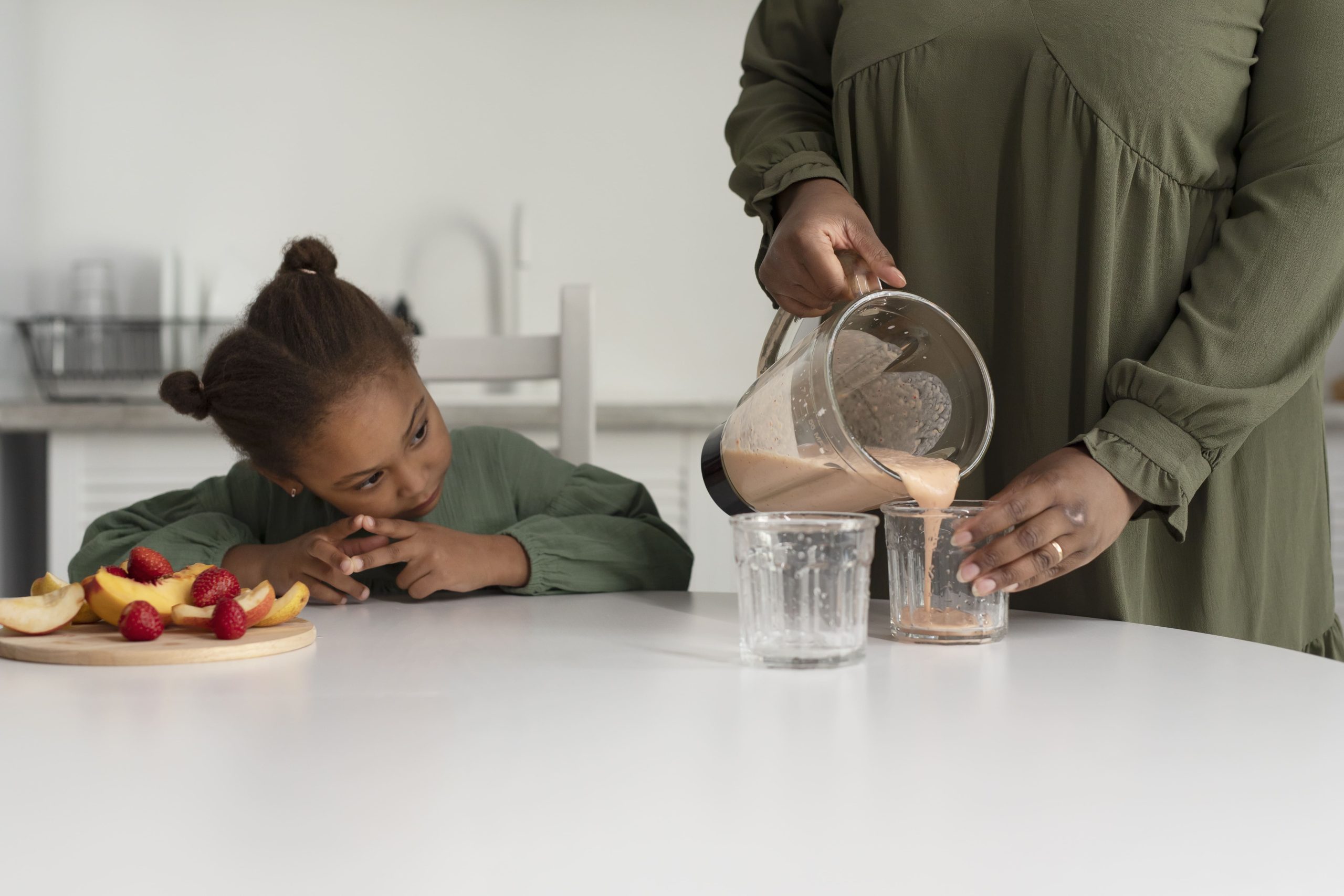
Image Courtesy of Freepik
Probiotics can support immunity in several ways:
Modulation of the Gut Microbiome: Probiotics can restore balance to the gut microbiome, promoting the growth of beneficial bacteria and suppressing the growth of pathogens.
Stimulation of Immune Cells: Probiotics can stimulate the activity of immune cells, such as macrophages and natural killer cells, which play a crucial role in eliminating pathogens.
Production of Antimicrobial Compounds: Probiotics can produce antimicrobial compounds, such as bacteriocins, which can inhibit the growth of pathogens.
Enhancement of the Gut Barrier: Probiotics can improve the integrity of the gut barrier, reducing the permeability of toxins and undigested food particles. Prebiotics, or non-digestible fibres, can also promote the growth of beneficial microorganisms in the gut [3].
Benefits of probiotics for the gut-brain axis:
Prevention of Infections: Promoting the growth of beneficial bacteria and preventing respiratory infections, such as the common cold and flu. (4)
Reduced Inflammation: By modulating the immune response and promoting the production of anti-inflammatory cytokines. Probiotics can be used to modulate the immune response and prevent autoimmune diseases, such as rheumatoid arthritis and multiple sclerosis.
Improved bowel movements: Improve digestion and reduce constipation, bloating or stomach problems for your little ones without using medication or laxatives. (5)
Image courtesy of Adobe Stock
Probiotic foods to add to your kids lunch box
Yoghurt – unsweetened – is best with live bacteria; make sure to check the ingredients. Add fruits such as bananas, which areexcellent prebiotics for optimising gut-brain axis functioning for boosting immunity.
Cheese – Soft or hard cheeses such as gouda, cheddar, or cottage cheese can be enjoyed as a mini kebab or added as a finger food.
Buttermilk or sour milk can be added to foods such as scones or breads or cakes as a simple way to get the most out of the fermented milks. It can also be enjoyed with sadza or nshima as a meal.
Conclusion
The gut-brain connection is a complex and multifaceted topic that holds significant promise for improving our understanding of immunity health. By recognising the intricate relationships between the gut microbiome, the vagus nerve, and mental health, we can develop novel therapeutic approaches that target the gut-brain axis and promote overall immunity well-being [1]. Further research is needed to fully elucidate the mechanisms underlying the gut-brain connection and to explore the potential implications for mental health treatment and prevention. By understanding the gut-brain connection and its implications for mental health, we can develop novel therapeutic approaches that promote overall mental well-being. This knowledge can also inform strategies for preventing mental health disorders and promoting mental health resilience.
References:
Harvard Health Publishing. (2020, January). The gut-brain connection.
Scientific American. (2019, October). The Gut-Brain Connection.
Journal of Probiotics and Health. (2020). Probiotics and prebiotics in mental health.
Guarner, F., & Schaafsma, G. J. (2007). Probiotics. International Journal of Food Microbiology, 113(3), 237-244.
Hemarajata, P., & Versalovic, J. (2013). Effects of probiotics on gut microbiota: mechanisms of intestinal immunomodulation and neuromodulation. Therapeutic Advances in Gastroenterology, 6(1), 39-51.