The Interplay between Mental Health and Nutrition in Zimbabwe: A Path Forward
Written by Professor Stephen Mashingaidze and Rumbidzai Mukori-William for BonVie Medical Aid scheme
In Zimbabwe, where mental health issues are increasingly recognized as a major public health concern, understanding the relationship between nutrition and mental well-being is crucial. Mental health and nutrition are intricately linked, with a growing body of evidence suggesting that dietary patterns play a significant role in maintaining good mental health. This article explores the nexus between mental health and nutrition in Zimbabwe, highlighting the challenges, opportunities, and potential solutions.
The Burden of Mental Health Issues in Zimbabwe
Mental health disorders, including depression, anxiety, and substance abuse, affect a substantial portion of Zimbabwe’s population. According to the World Health Organization (WHO), mental health issues account for approximately 12% of the global burden of disease, with low- and middle-income countries like Zimbabwe bearing a significant proportion of this burden [1]. The stigma surrounding mental illness, coupled with limited access to mental health services, exacerbates the problem.
The Role of Nutrition in Mental Health
A growing body of evidence suggests that nutrition plays a vital role in maintaining good mental health. A diet rich in whole foods, fruits, vegetables, and omega-3 fatty acids supports mental well-being [2]. Conversely, a diet high in processed foods and sugar can contribute to mental health issues [3]. In Zimbabwe, where traditional diets often emphasize whole foods, there is potential to leverage nutrition as a tool for promoting mental health.
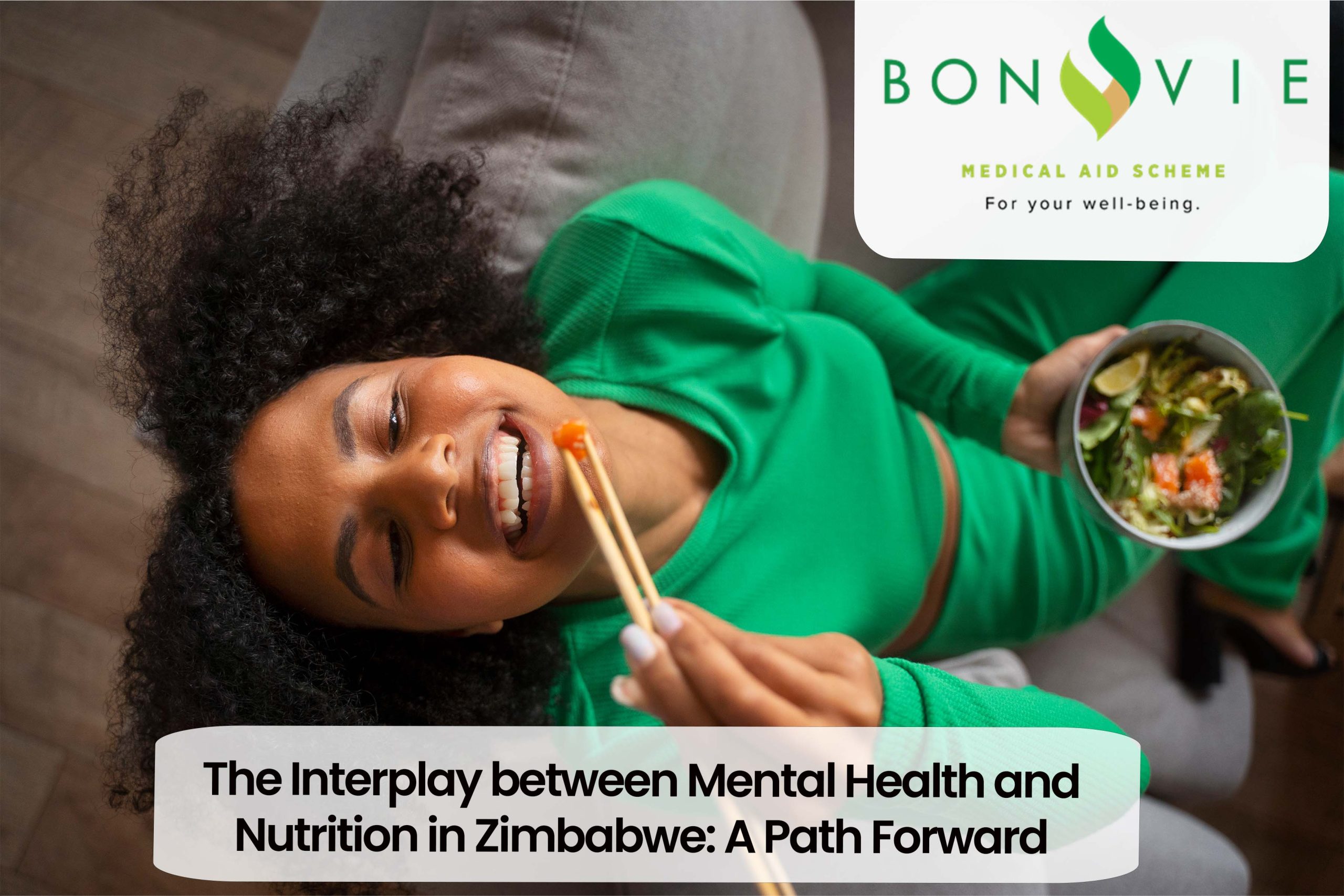
Image Courtesy of Freepik
Challenges and Opportunities
Despite the importance of mental health and nutrition, Zimbabwe faces several challenges, including:
– Limited access to mental health services: Zimbabwe has a significant shortage of mental health professionals, with only 1.4 psychiatrists per 100,000 people [1].
– Stigma surrounding mental illness: Mental health issues are often stigmatized in Zimbabwe, making it difficult for individuals to seek help.
– Inadequate nutrition education and awareness: Many Zimbabweans lack access to accurate information about healthy eating habits and the importance of nutrition for mental health.
However, there are also opportunities for growth and development:
– Increasing awareness about mental health and nutrition: Efforts to raise awareness about mental health and nutrition can help reduce stigma and promote healthy behaviors.
– Integration of mental health into primary care: Integrating mental health into primary care can increase access to mental health services and reduce the burden on specialized care.
– Community-based initiatives: Community-based initiatives can promote mental health and nutrition, particularly in rural areas.
Potential Solutions
To address the intersection of mental health and nutrition in Zimbabwe, we propose the following solutions:
– Nutrition education: Integrate nutrition education into mental health programs to raise awareness about the importance of diet in mental well-being.
– Community-based initiatives: Support community-based initiatives that promote mental health and nutrition, particularly in rural areas.
– Research and policy: Conduct research on the relationship between mental health and nutrition in Zimbabwe and inform policy decisions to support mental health promotion.
Conclusion
The intersection of mental health and nutrition in Zimbabwe presents both challenges and opportunities. By prioritizing nutrition education, community-based initiatives, and research, Zimbabwe can take steps towards improving mental health outcomes and unlocking its full potential. As we move forward, it is essential to recognize the intricate relationship between mental health and nutrition, working towards a holistic approach to promoting human well-being.
References:
World Health Organization. (2019). Mental Health in Zimbabwe.
Sarris, J., Logan, A. C., Akbaraly, T. N., Amminger, G. P., Balanzá-Martínez, V., Freeman, M. P., … & Voyiaziakis, E. (2014). Omega-3 fatty acids in depression: a review of three decades of research. Molecular Psychiatry, 19(12), 1262-1272.
Avena, N. M., Potenza, M. N., & Gold, M. S. (2018). Examining the effects of sugar on mood. Trends in Nutrition & Metabolism, 34(3), 232-240.