Managing High Blood Pressure through Better Nutritional Practices
Written by Professor Stephen Mashingaidze and Rumbidzai Mukori-William for BonVie Medical Aid scheme
High blood pressure has become a global disease burden with 45% of adults being unaware of having the condition of hypertension, 42% of diagnosed adults are treated and 1 in 5 have the hypertension under control. These statistics show how management is an area of concern, as the majority of diagnosed cases are experiencing challenges in keeping steady blood pressure readings. It is important to note that management is not new, as history shows that the first blood pressure reading was done in the 1700s on a horse using a manometer by Stephen Hales. In the 1800’s, it was first discovered as being a medical condition and described as being a major risk factor for cardiovascular diseases, including heart attacks, strokes, and kidney disease [2]. While medication is often prescribed to manage high blood pressure, nutritional practices play a crucial role in preventing and controlling hypertension [3].
The Role of Nutrition in Managing High Blood Pressure
The American Heart Association encourages those at risk, to keep record of their readings as it can guide one, whether they are managing it well. This also advises with regards to whether certain measures need to be put in place or removed for keeping high blood pressure readings within a normal range. Dietary changes with the wrong foods can exacerbate the condition, whilst eating the correct nutrients and foods has been proven to have a positive impact on blood pressure, due to the therapeutic effect on the body and capability to reduce it naturally. [4]. A diet rich in fruits, vegetables, whole grains, and lean protein sources can help lower blood pressure and reduce the risk of cardiovascular disease [5]. It is important for one to consult with their health care practitioner and nutritionist or dietitian, as dietary changes using therapeutic foods vary from person to person.
Key Nutrients for Blood Pressure Management
– Potassium: Potassium helps balance the effects of sodium in the body and can lower blood pressure [6]. Foods rich in potassium include bananas, leafy greens, and sweet potatoes.
– Calcium: Calcium is essential for maintaining healthy blood vessels and can help lower blood pressure [7]. Dairy products, leafy greens, and fortified plant-based milk are good sources of calcium.
– Magnesium: Magnesium helps relax blood vessels and can lower blood pressure [8]. Dark leafy greens, nuts, and seeds are rich in magnesium.
– Omega-3 Fatty Acids: Omega-3 fatty acids, found in fatty fish, flaxseeds, and walnuts, can help lower blood pressure and reduce inflammation [9].
– Fiber: A high-fiber diet can help lower blood pressure and improve overall cardiovascular health [10]. Whole grains, fruits, and vegetables are rich in fiber.
Image Courtesy of Freepik
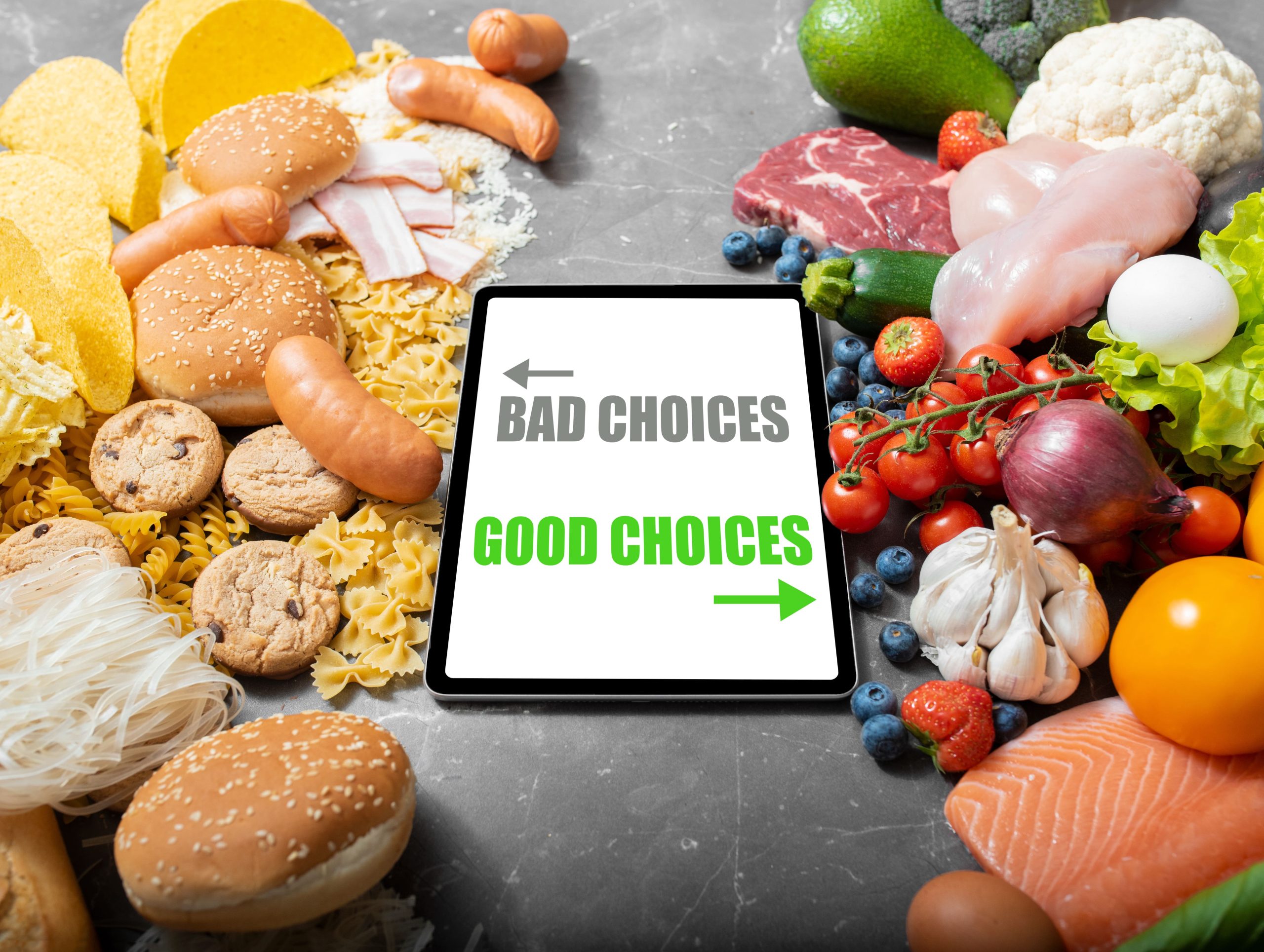
Foods to Emphasize
Leafy Greens: Leafy greens like spinach, kale, and collard greens are rich in potassium, calcium, and magnesium [11].
– Berries: Berries like blueberries, strawberries and masawu are rich in antioxidants and fibre [12].
– Fatty Fish: Fatty fish like mackerel, tuna and salmon are rich in omega-3 fatty acids [13].
– Whole Grains: Whole grains like brown rice, sorghum, millet, quinoa, and whole-wheat bread provide fibre, potassium, and magnesium [14].
– Legumes: Legumes like beans, lentils, and chickpeas are rich in potassium, magnesium, and fibre [15].
Foods to Limit
– Sodium: Excessive sodium consumption can increase blood pressure [16]. Limit foods high in sodium, such as processed meats, canned soups, and frozen meals.
– Added Sugars: Consuming high amounts of added sugars can increase blood pressure [17]. Limit foods with added sugars, such as sugary drinks, baked goods, and candy.
– Saturated and Trans Fats: Saturated and trans fats can increase blood pressure and worsen cardiovascular health [18]. Limit foods high in saturated and trans fats, such as red meat, full-fat dairy products, and processed snacks.
Image courtesy of Adobe Stock
References:
World Health Organization. (2019). Hypertension.
Centers for Disease Control and Prevention. (2022). High Blood Pressure.
Appel, L. J., et al. (1997). A clinical trial of the effects of dietary patterns on blood pressure. New England