Written by Professor Stephen Mashingaidze and Rumbidzai Mukori-William for BonVie Medical Aid scheme
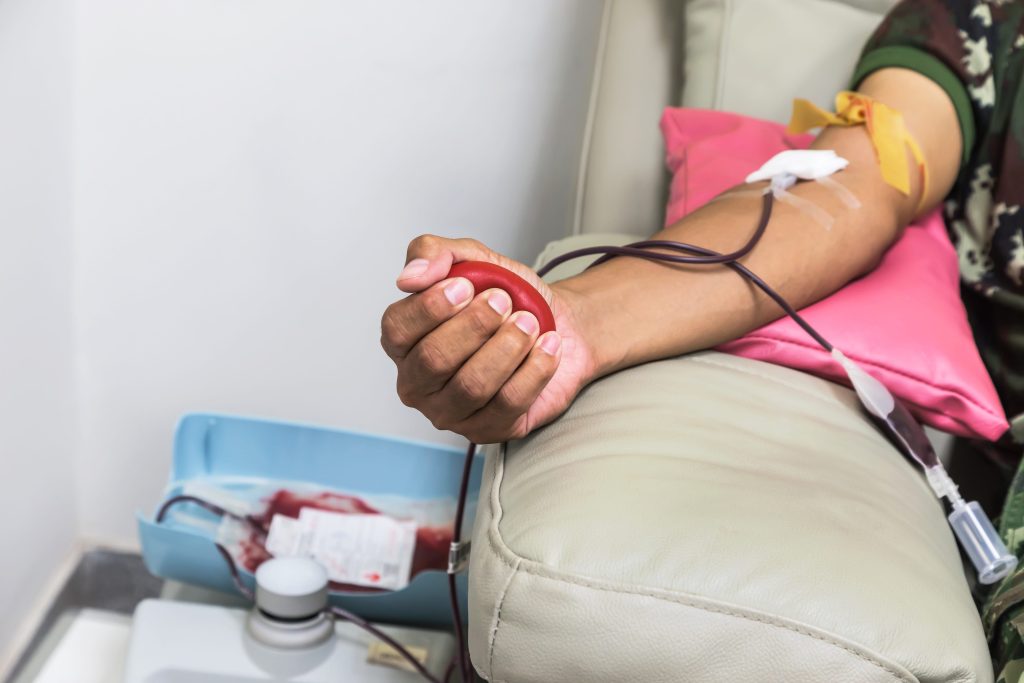
Every year on June 14, the world marks World Blood Donor Day, as a day to thank voluntary blood donors and to remind everyone that hospitals cannot function without blood. In South Africa and Zimbabwe, June falls in the middle of winter. Temperatures drop, flu season peaks, and donor turnout falls. But clinical demand for blood does not pause for the weather.[1]
If you have never donated, or it has been a while, this is the week to change that. One donation takes 30 minutes. It costs you nothing.[2]
Blood cannot be manufactured. There is no synthetic substitute that works for trauma, surgery, childbirth, and cancer care. It comes from people. And it has a limited shelf life. Red blood cells last 42 days. Platelets last 5 days. Plasma can be frozen for longer, but hospitals need a constant flow of fresh donations to keep shelves stocked.[1]
Myths that stop people donating:
image: freepik.com
Myth 1: Giving blood will make me weak or dizzy:
450ml is donated, which is about 8% of your total blood volume. The body replaces plasma volume in 24-48 hours. Most people feel fine after a 10-minute rest and a juice. If you eat and hydrate beforehand, dizziness is rare.[1]
Myth 2: I will catch something from the needle:
Every needle, bag, and tube is sterile and used once. It is opened in front of you and disposed of after. There is zero risk of infection from the donation process.[2]
Myth 3: My blood type is common, so they don’t need it.
O positive is the most common type, and it is also the most used. About 40% of people are O+. Hospitals use it daily for emergencies when they do not have time to type and cross-match. There is no such thing as “too common”.[3]
Myth 4: I am on medication, so I cannot donate.
Most medications are fine. Blood pressure meds, cholesterol meds, and most antibiotics do not disqualify you. Clinic staff check your meds in 2 minutes. Do not self-disqualify. Ask.[4]
Myth 5: I am scared of needles.
The needle feels like a quick pinch. After that, you do not feel it. Many donors close their eyes, listen to music, or look away. The hardest part is walking through the door.[1]
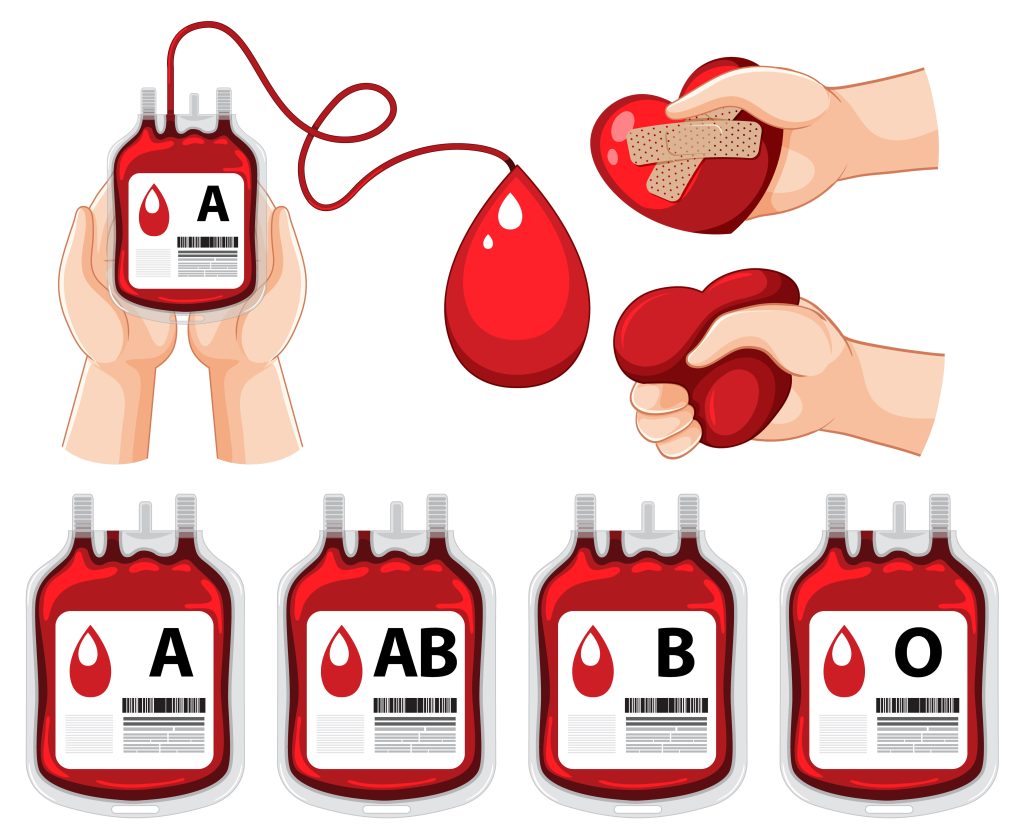
One unit of whole blood can be split into 3 components: red cells, platelets, and plasma.
That means one donor can help 3 different patients.[2]
Red cells go to trauma patients, people with severe anaemia, and those undergoing surgery. Platelets go to cancer patients undergoing chemotherapy and people with clotting disorders. Plasma goes to burn victims, people with clotting disorders, and patients with liver disease.[3]
image: freepik.com
image: freepik.com
Conclusion
Blood donation is one of the few things you can do that has an immediate, measurable impact. You will never meet the person you help. But a nurse will hang your blood, a surgeon will use it, and a family will get more time with their loved one.[5] Give blood, give life. 30 minutes. 3 lives. No excuses.
References:
1. World Health Organization. (2023). _World Blood Donor Day 2023: Give blood, give plasma, share life_. Geneva: WHO Press. 2. World Health Organization. (2023). _Blood transfusion safety and availability: Global status report_. Geneva: WHO Press. 3. National Blood Service Zimbabwe. (2024). _Donor education and community engagement guidelines_. Harare: NBSZ. 4. South African National Blood Service. (2024). _Blood donation requirements and winter stock levels_. Retrieved from https://www.sanbs.org.za 5. National Blood Service Zimbabwe. (2024). _Donor guidelines and clinic locator_. Retrieved from https://www.nbtsz.co.zw