
Written by Lolitaire Moyo-Healey. M.Ost DO, UKIHCA-RHC for BonVie Medical Aid scheme

Headaches are one of the most common health complaints. Some people experience them once in a while, and others live with chronic headache conditions, including migraine, that significantly affect their quality of life. Many headaches are closely tied to certain daily habits and mistakes that can be identified.
Important: If you experience headaches multiple times a week, excruciating pain, sudden loss of vision, or headaches that follow a pattern linked to your menstrual cycle, please speak to your primary care physician for further evaluation before attributing them to lifestyle alone.
1. Not Drinking Enough Water
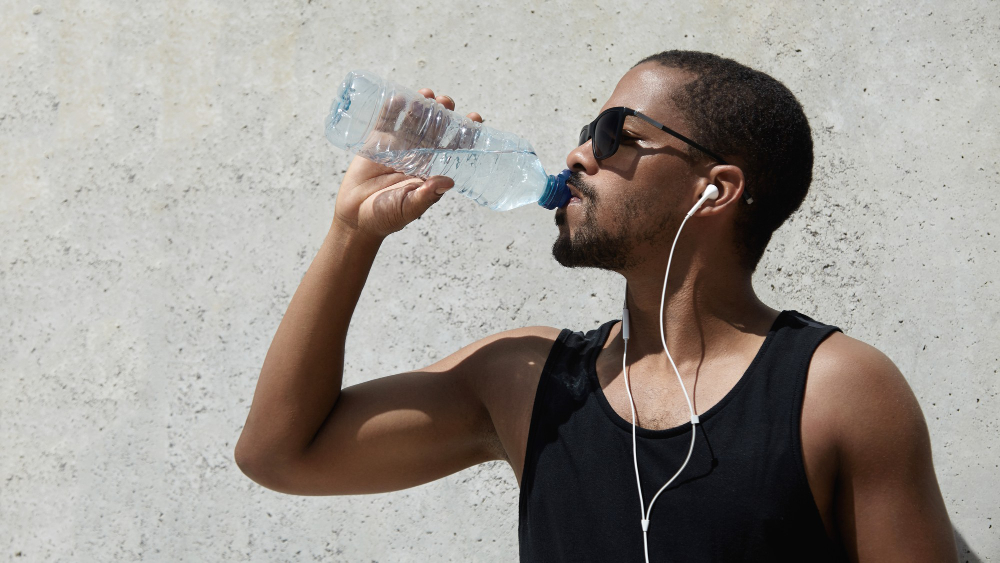
Dehydration is one of the most significant and frequently overlooked contributors to headaches. When the body is low on fluids, it affects blood volume, tissue hydration, and brain function. All of these effects can manifest as head pain. Other factors like heat and physical activity can also increase daily fluid loss so staying consistently hydrated is especially important.
Make water your first drink of the day and sip regularly throughout- don’t wait until you feel thirsty. You could also add electrolytes to one of your glasses of water everyday.
If you sleep fewer than six hours you are more likely to be dehydrated [1], which means poor sleep and low fluid intake can play off each other as headache triggers.

2. Skipping Meals or Eating Irregularly
Low blood sugar is not a concern reserved only for people with Type 1 diabetes. It simply means any drop below your normal blood sugar level. For some people, going a few hours without eating is enough to trigger a headache. When your brain, which runs on glucose, is not receiving a consistent supply, it signals distress and a headache is often that signal. Meal skipping, particularly breakfast, is significantly associated with increased headache severity [2].
If you notice headaches when you have not eaten for a while, this is probably why. A practical solution is to carry snacks with you everyday. Nuts, seeds, and fruit are all good options that provide sustained energy without causing a blood sugar spike.
3. Too Much (or Too Little) Caffeine
Caffeine has a complicated relationship with headaches because it can relieve certain types of head pain in small amounts. However, it is also a well-documented migraine trigger and contributes to dehydration. Your blood vessels are usually narrowed by caffeine. When you skip or delay your usual caffeine intake, your blood vessels suddenly expand, increasing blood flow and potentially triggering head pain [3]. Both overconsumption and withdrawal can trigger a headache.
A simple way to combat this triggering is to drink a glass of water before your morning coffee. This helps maintain your hydration levels for when caffeine enters your system, and can reduce your overall headache frequency.


4. Uncorrected Vision or an Outdated Glasses Prescription
This is a less commonly discussed trigger, and in this context is about posture. Your body will always prioritise vision over alignment. If you are straining to see properly, your neck, jaw, and shoulder muscles will compensate by shifting your head forward to bring objects into focus. Over time, this compensation creates muscular tension in the neck that can cause headaches originating from the neck (known as cervicogenic headaches).
A cervicogenic headache usually presents as pain on one side that starts in the neck and progresses into the back of the head or the temples [4].
If you have been putting off getting your eyes tested or updating your prescription, this may be worth addressing sooner rather than later.
5. Eye Fatigue from Too Much Screen Time
For those in desk-based roles with long hours in front of a screen, screen-based eye fatigue is a potential headache trigger. When the eyes are fatigued, the tendency is to lean further forward and sometimes even squint. Straining due to excessive digital device use leads to tightening of the eye, head and neck muscles, contributing to pain and musculoskeletal discomfort [5].
A practical way to address this is to look at something far in the distance for 20–30 seconds, every 45-60minutes of screen time. This could be as simple as looking out the window. Doing this relaxes the focusing muscles of the eyes and gives them a chance to reset. You can also try slow eye stretches like looking up, down, then side to side then diagonal up to the diagonal down. Hold each position for 5 seconds.


6. Jaw Clenching and Teeth Grinding
Have you ever noticed whether you clench your jaw during a stressful moment at work, or wake up with a sore jaw or sensitive teeth? Maybe a spouse has mentioned that you make a grinding sound with your teeth when you sleep. Jaw clenching and grinding can be undetected headache triggers. Overactive jaw muscles create constant compression and strain in the head and face which can be felt in the temples, forehead, or behind the eyes.
Night-time clenching and grinding can disrupt sleep which then also increases fatigue and stress [6]. Research shows that tension headaches are frequently associated with jaw issues and grinding [7].
A simple way to start to combat this is: every hour, bring your awareness to your jaw. Check-in with yourself. Are you clenching? Is there tension in your face or temples? If so, consciously let your jaw drop and relax slightly so your teeth are not touching, and breathe slowly for 30–60 seconds. The more consistently you break the clenching cycle, the more your muscles will relax over time.
Conclusion
Headaches are rarely random and some common triggers are actually rooted in your lifestyle. If your headaches are frequent, severe, or worsening, please do not rely on self-management alone. Consult a qualified healthcare professional who can assess the full picture.
References
- Clearly Filtered. The relationship between hydration and sleep. https://clearlyfiltered.com/articles/the-relationship-between-hydration-and-sleep
- IJRSI. (2025). Dietary habits and headache severity. International Journal of Research and Scientific Innovation, 12(8), 248–254. https://rsisinternational.org/journals/ijrsi
- Sleep Foundation. (2025). Morning headaches explained. https://www.sleepfoundation.org/physical-health/morning-headaches
- StatPearls / NIH. (Updated 2022). Cervicogenic headache. https://www.ncbi.nlm.nih.gov/books/NBK507862/
- Almutairi, H. et al. (2024). Prevalence and interrelationships of screen time, visual disorders, and neck pain. Healthcare, 12(20), 2067. https://www.ncbi.nlm.nih.gov/pmc/articles/PMC11507102/
- Brisbane Migraine Centre. (2025). Jaw clenching headaches — and how to fix them. https://brisbanemigraine.com.au/jaw-clenching-headaches-and-how-to-fix-them/
- The Jaw Physio. Headaches and jaw/TMJ pain. https://www.jawphysio.com.au/headaches
Author

Lolitaire Moyo-Healey
M.Ost DO, UKIHCA-RHC, Founder, Registered Osteopath, Mindfulness Practitioner, Accredited Health + Life Coach