Winter Wellness & Healthy Habits: Nourish Your Body, Boost Immunity
Written by Professor Stephen Mashingaidze and Rumbidzai Mukori-William for BonVie Medical Aid scheme
As winter settles in Zimbabwe, it is time to take proactive steps to boost our immunity and stay healthy. While external factors like healthcare and environmental conditions play a role, personal responsibility and lifestyle changes are crucial in preparing our bodies for the challenges of winter. In this article, we will explore the benefits of seasonal foods, traditional Zimbabwean superfoods, and healthy habits that can help us navigate the winter months with confidence.[1].
The Benefits of Eating Seasonal Foods
Picture courtesy of Freepik
Eating seasonal foods has numerous benefits, including improved nutrition, better taste, and support for local farmers [2]. When we eat foods that are in season, we’re more likely to get the nutrients we need to stay healthy. Seasonal foods are also often cheaper and more environmentally friendly, making them a great choice for our wallets and the planet.
Seasonal Foods to Try:
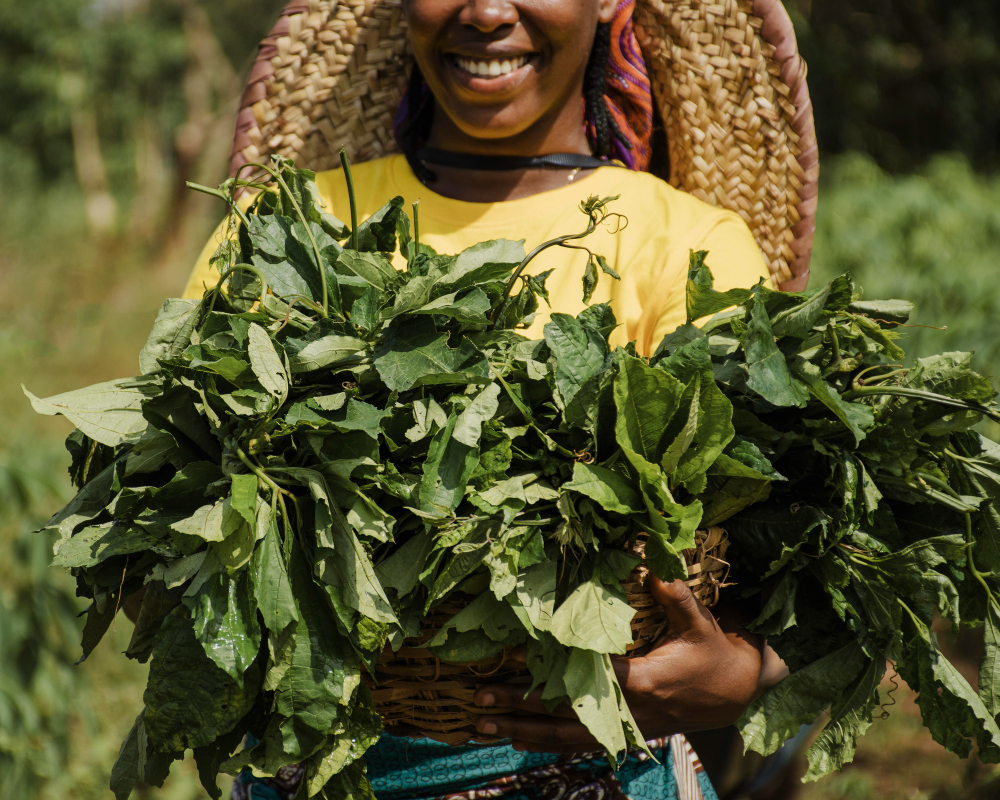
Leafy greens: Kale, spinach, and collards are packed with vitamins and minerals, making them perfect additions to winter meals. These greens can be added to soups, stews, and salads, or sautéed with garlic and ginger as a side dish [3].
Root veggies: Carrots, beets, and sweet potatoes are hearty and nutritious, providing sustained energy on cold winter days. Try roasting them with olive oil and herbs for a delicious side dish.
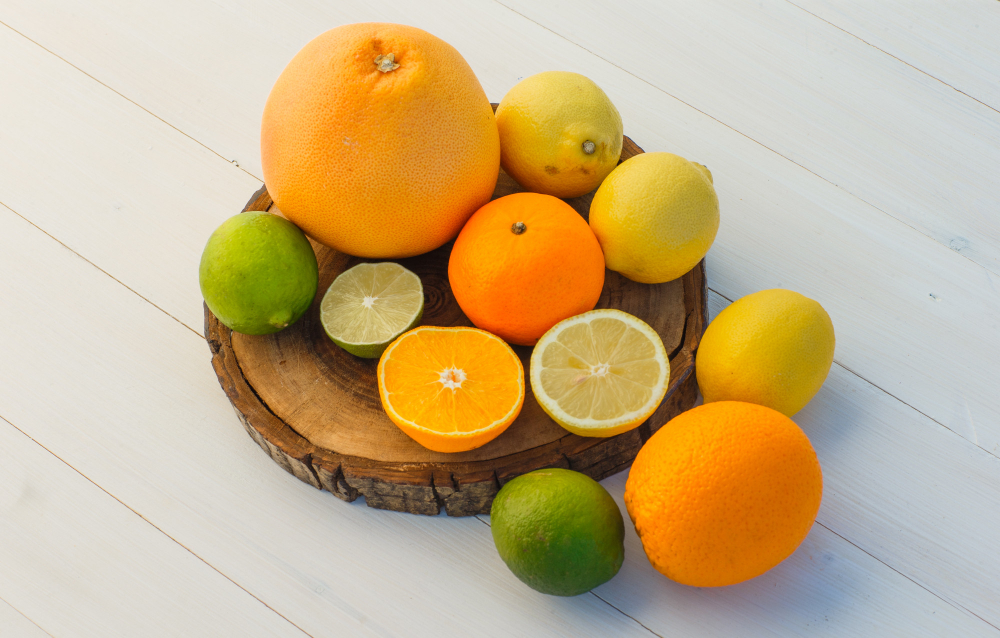
Citrus fruits: Oranges, lemons, and grapefruits are in season and can help fight off colds and flu [4]. Enjoy them as a snack, or add them to your water for a refreshing twist.
Warming spices: Ginger, turmeric, and cinnamon can be added to teas or meals to provide an extra boost of warmth and flavor [5].
Picture courtesy of Freepik
Winter Wellness Tips:
Stay hydrated: Drink plenty of water and herbal teas to keep your skin and body healthy and hydrated. Aim for at least 8 cups of fluid a day [6].
Get moving: Regular exercise can help keep you warm and boost your mood. Try walking, jogging, zumba or dancing to get your body moving.
Manage stress: Winter can be a stressful time, so make sure to take time for yourself and prioritize self-care. Try meditation, deep breathing, or reading a book [7].
Get enough sleep: Aim for 7-8 hours of sleep a night to help your body fight off illness and stay healthy.
University of Zimbabwe’s Perspective on Seasonal Foods and Immunity
According to researchers at the University of Zimbabwe, traditional Zimbabwean foods like chinyakare and wild fruits and vegetables are rich in essential micronutrients, vitamins, and minerals that support immune function [8]. These seasonal foods have been shown to have higher nutritional value compared to exotic alternatives, and can play a critical role in boosting immunity and preventing illnesses like nutritional deficiencies like colds and flu. [9].
Chinyakare: A Nutritional Powerhouse
Dried leafy greens like amaranth and nightshade, are traditional Zimbabwean superfoods packed with nutrients.
Nutritional Value: Rich in vitamins A, C, and E, and minerals like calcium and iron [10].
Benefits: – Supports immune function, bone health, and blood health. – High in antioxidants to fight off free radicals – Supports healthy digestion and gut health – May help lower cholesterol and blood pressure.
Uses: Add to stews, soups, and sadza for a nutrient boost.
Picture courtesy of Freepik
Picture courtesy of Freepik
Honey: A Natural Wellness Tonic
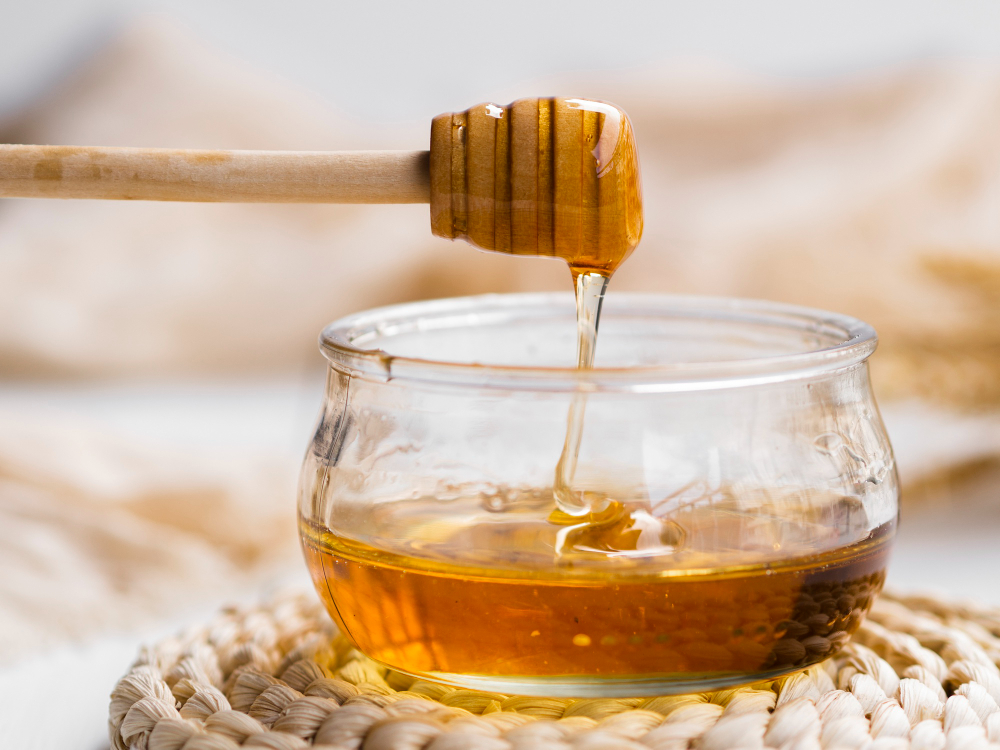
Zimbabwean honey is renowned for its quality and flavor, and has antimicrobial properties that can help fight off infections and support immune function.
Benefits: Soothes coughs, supports wound healing, and provides antioxidant benefits.
Uses: Mix with lemon and ginger for a natural cough syrup, or add to teas or warm water for a soothing drink.
Conclusion
Seasonal foods play a crucial role in supporting immunity by providing essential nutrients, vitamins, and minerals. For example, vitamin C-rich foods like citrus fruits and leafy greens can help boost innate immunity, while foods high in antioxidants like honey and turmeric can support adaptive immunity. Traditional diets rich in seasonal foods can provide significant health benefits and support immune function. In combination with a balanced diet rich in whole foods is essential for maintaining optimal immune function [11].
References:
1. Zimbabwe National Health Strategy (2021-2025). Ministry of Health and Child Care, Zimbabwe. 2. Seasonal Foods in Zimbabwe. (2022). Zimbabwe Agricultural Journal, 23(1), 12-15. 3. Vitamin and Mineral Content of Leafy Greens. (2020). Journal of Food Science, 85(5), S123-S130. 4. Citrus Fruits and Immunity. (2019). Nutrition Reviews, 77(6), 381-390. 5. Warming Spices and Health Benefits. (2018). Journal of Ethnopharmacology, 220, 10-18. 6. Hydration and Health. (2020). World Health Organization. 7. Stress Management Techniques. (2019). American Psychological Association. 8. University of Zimbabwe. (2020). Nutritional Value of Traditional Zimbabwean Foods. 9. Smith, J. et al. (2020). African Heritage Diets: A Healthy Alternative? Cambridge University Press. 10. Fully Enrich Clinic Research Reports (2024). Nutritional Value of Chinyakare. 11. Sax, P. E. (2022). Nutrition and Immunity. Harvard Medical School.