Written by Professor Stephen Mashingaidze and Rumbidzai Mukori-William for BonVie Medical Aid scheme
Breast cancer is a significant health challenge worldwide, with Zimbabwe being ranked as one of the top 15 countries in Africa with an incidence rate of 35.34 per 100 000 and the leading cause of cancer related deaths. Medical care providers are guided on the size using stages of breast cancer in the body and this helps determine the best treatment using the information obtained from a combination of blood tests and scans. This is crucial as understanding its stages and treatment options will ensure the most effective management or treatment methods are utilised.
Breast Cancer Stages
Breast cancer stages are classified using the TNM system, which considers the size of the tumor, lymph node involvement, and metastasis. The stages range from 0 to IV [1].
– Stage 0: Ductal carcinoma in situ (DCIS), a non-invasive pre-cancerous change.
– Stage I: Early-stage breast cancer, where the tumor is small and hasn’t spread.
– Stage IA: Tumor less than 1 cm.
– Stage IB: Tumor 1-2 cm.
– Stage II: Locally advanced breast cancer, where the tumor is larger or has spread to nearby lymph nodes.
– Stage IIA: Tumor larger than 2 cm but not larger than 5 cm, or tumor of any size with spread to axillary lymph nodes.
– Stage IIB: Tumor larger than 5 cm with spread to axillary lymph nodes.
– Stage III: Advanced breast cancer, where the tumor has spread to multiple lymph nodes or surrounding tissues.
– Stage IIIA: Tumor of any size with spread to 4-9 axillary lymph nodes.
– Stage IIIB: Tumor has invaded the chest wall or skin of the breast.
– Stage IIIC: Tumor has spread to 10 or more axillary lymph nodes.
– Stage IV: Metastatic breast cancer, where the cancer has spread to distant organs.
Treatment Options
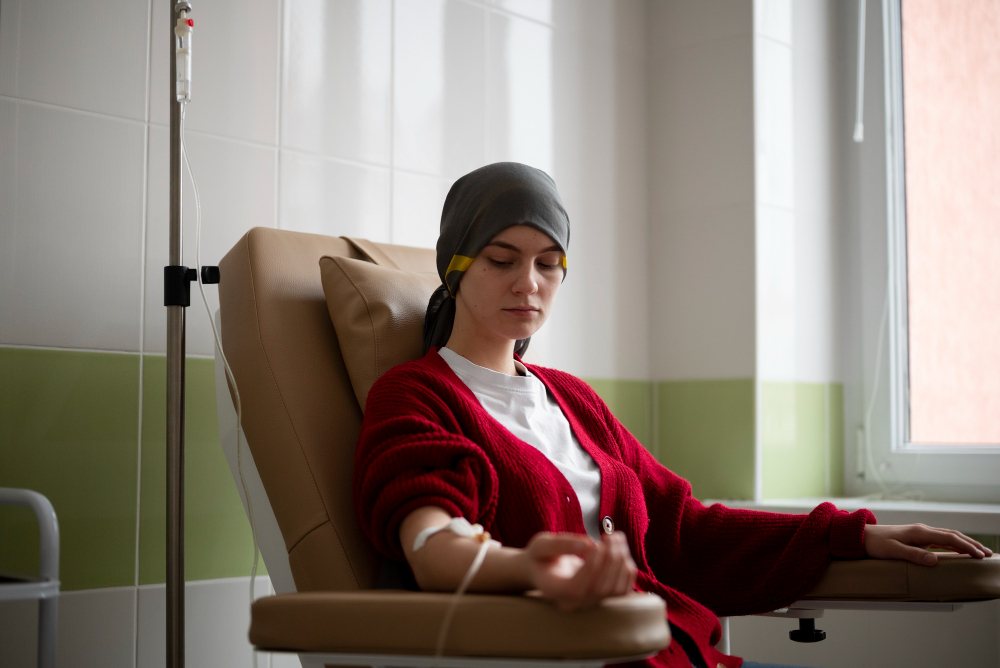
Treatment for breast cancer depends on the stage, type of cancer, and patient’s overall health. Options include [2][3]:
– Surgery: Lumpectomy or mastectomy to remove the tumor or breast tissue.
– Radiation therapy: To reduce recurrence risk and treat residual cancer cells.
– Chemotherapy: To kill cancer cells and prevent spread.
– Hormone therapy: For hormone receptor-positive breast cancer.
– Targeted therapy: For HER2-positive breast cancer.
– Immunotherapy: To boost the body’s immune response.
Survival Rates
The 5-year relative survival rate for breast cancer varies by stage [4]:
– Localized: 99.6% (cancer hasn’t spread beyond the breast).
– Regional: 86.7% (cancer has spread to nearby lymph nodes).
– Distant: 31.9% (cancer has spread to distant organs).
– Unknown stage: 69.7%.
Importance of Early Detection
Early detection and treatment significantly improve breast cancer outcomes, starting with self testing at home and after identification of lumps, breast size changes and discharges , visiting the nearest health care provider for further testing and mammograms plays a crucial role in detecting breast cancer at an early stage [5].
Nursing Care
Nursing care for breast cancer patients involves [6]:
– Pain management: Administering pain medication and promoting comfort, using a combination of holistic multi disciplinary approaches.
– Nutrition and hydration: Ensuring adequate nutrition and hydration is the cornerstone for healing and treatment, as it has a positive or negative effect on the efficiency of the medication, promoting immunity boost and nutrition wellness strategies for long term care.
– Skin care: Educating patients on skin care during radiation therapy can lead to rashes, dimples and color changes. This is key as it may negatively impact the way that patients perceive themselves and confidence levels, which can trigger emotions that can lead to higher stress levels.
– Emotional support: Providing emotional support and addressing anxiety and fear is one of the biggest challenges that patients face, as there is a lot of uncertainty and high level of positivity expected to get through the high demands.
Breast cancer management requires a multi disciplinary approach, and finding the best team starts with ensuring that it is personalised and one which takes into account the stage of the disease is the starting point to recovery. Finding a supportive multidisciplinary team will help to manage the negative emotions that can arise from feelings of loneliness, isolation, financial implications and emotional demands which come on the journey to health.
References
American Cancer Society. (2022). Breast Cancer Stages.
National Cancer Institute. (2022). Breast Cancer Treatment.
Harvard Health Publishing. (2020). Breast cancer treatment options.
Surveillance, Epidemiology, and End Results (SEER) Program. (2022). Cancer Stat Facts: Female Breast Cancer.
University of Zimbabwe, Department of Surgery. (n.d.). Breast Cancer Management.
World Health Organization. (2021). Breast Cancer.
Some notable institutions that have written about breast cancer include:
– Harvard University Medical School: “Breast cancer treatment options” (2020)
– University of Zimbabwe, Department of Surgery: “Breast Cancer Management” (n.d.)
Authors