
Written by Lolitaire Moyo-Healey. M.Ost DO, UKIHCA-RHC for BonVie Medical Aid scheme
Zimbabwe’s winter may be considered mild by global standards, but the cold can still have an effect on your joints. If you live with arthritis, chronic pain, or any condition involving joint inflammation, you may already notice your body responding to the seasonal change.
Why Does Cold Weather Affect Your Joints?
There is a correlation between increased osteoarthritis joint pain and lower temperatures, as well as increased atmospheric pressure and relative humidity. [1] Scientists suspect several things happen when temperatures fall: cold can make muscles, ligaments, and joints stiffer and more painful, and the fluid that lubricates joints can become thicker and less effective. [2] When barometric/atmospheric pressure drops, tissues in the body can expand slightly, increasing pressure on the joint itself and contributing to pain. [2]
Research has shown that among people with knee osteoarthritis, pain increased with every 10-degree drop in temperature. [3] These effects can occur even in relatively modest temperature changes, which means Zimbabwe’s winter is more than enough to trigger symptoms in those who are susceptible.
1. Keep Warm
Layering clothing, wearing gloves, and using hot water bottles on affected areas can make a difference. Warmth boosts blood flow, helps flush pain-producing chemicals, and stimulates your skin to improve pain tolerance. [4] So try prioritising warmth around your most affected joints, whether that is your knees, hips, hands, or lower back.

2. Keep Moving
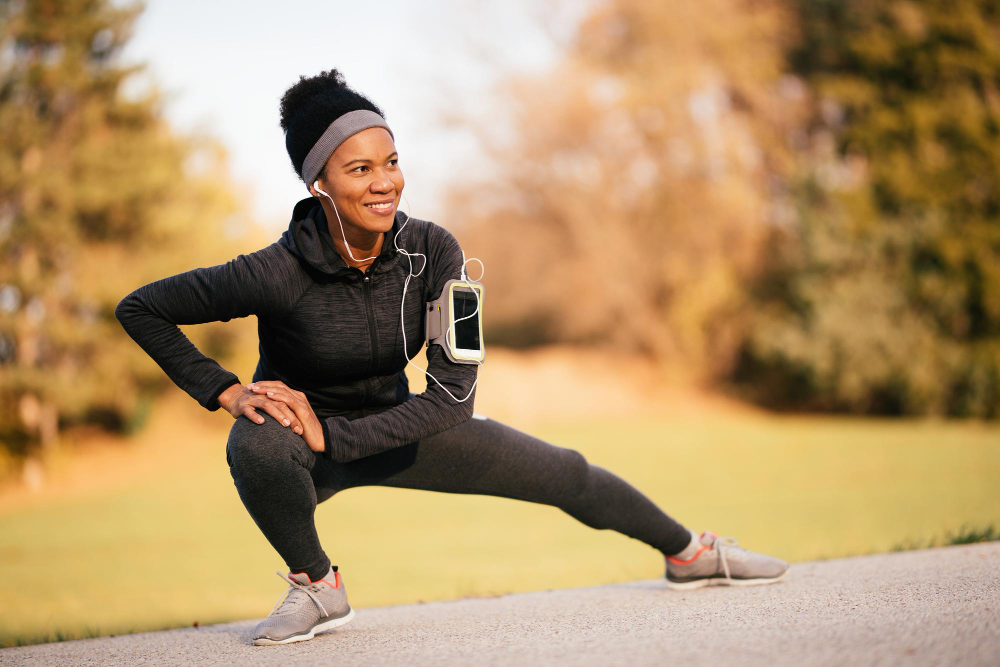
Exercise helps reduce pain in people with arthritis, including osteoarthritis and rheumatoid arthritis, and regular activity llubricates the cartilage of the joint while reducing stiffness. [5] Exercise including walking, cycling, and swimming, is the most effective form of exercise for managing issues like knee osteoarthritis and also improving pain, mobility, and quality of life. [6]
Walking, a stationary bike at home, or following a free online programme are all valid options. Always warm up for 10 to 15 minutes before exercising in cooler temperatures to protect your muscles and joints. Aim to break up sitting time every two hours where possible.
3. Eat to Reduce Inflammation
Winter comfort food tends to be heavy in sugar, saturated fat, and processed ingredients. Consuming foods high in sugar can increase inflammation throughout the body, including in the joints. [7]
Instead, lean into Zimbabwe’s abundance of seasonal produce. Fruits and vegetables packed with antioxidants support the immune system and may help fight inflammation, while omega-3 rich foods such as fish, nuts and seeds reduce inflammatory proteins in the body. [8] Staying well hydrated also supports joint lubrication, so keep sipping warm fluids through the day.

4. Watch Your Step
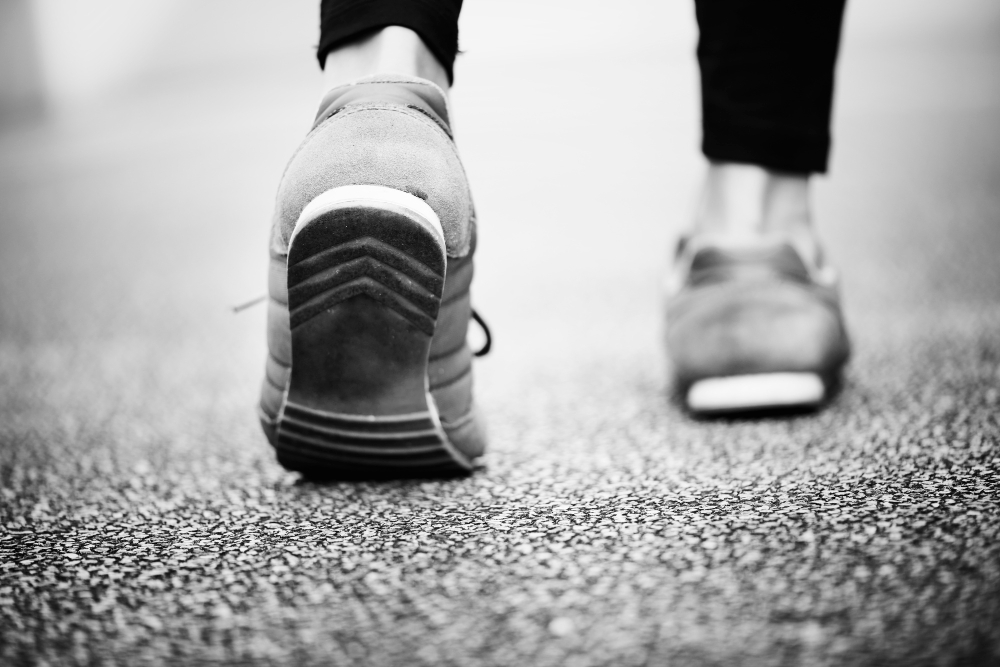
Sometimes winter mornings can bring wet and slippery surfaces. Wearing supportive, well-fitted footwear reduces your fall risk, which matters because a joint injury can aggravate existing pain conditions. If you use a walking aid, make sure it is in good condition and still appropriate for your needs.
What Does NOT Help
Resting Completely
It is tempting to do nothing when it is cold and when your joints are painful. However, prolonged rest weakens the muscles supporting your joints and creates a cycle where stiffness causes more pain and vice versa.[9] Synovial fluid only enters and lubricates your joints during movement, so without physical activity, your cartilage loses its nourishment and becomes more vulnerable to wear. [10] Rest has its place during acute flare-ups, but long-term inactivity consistently makes joint conditions worse.
When to Seek Help
If your joint pain is significantly disrupting your daily life, sleep, or ability to work, that is a signal to speak with a healthcare professional to help you identify what is driving your pain and create a management plan that works for your specific circumstances.
Conclusion
Winter does not have to mean suffering. With the right habits in place, you can protect your joints, stay active, and live through the colder months with confidence.
References
- Medical News Today. Cold weather and joint pain: What is the connection? (2025). https://www.medicalnewstoday.com/articles/cold-weather-joint-pain.
- Cleveland Clinic. How Changes in Weather Affect Joint and Muscle Pain. https://health.clevelandclinic.org/barometric-pressure-joint-pain.
- Arthritis Foundation. Best Climate for Arthritis Patients. https://www.arthritis.org/health-wellness/healthy-living/managing-pain/understanding-pain/best-climate-for-arthritis.
- Great Basin Orthopaedics. 7 Ways to Keep Arthritis Pain at Bay This Winter. https://www.greatbasinortho.com/articles/7-ways-keep-arthritis-pain-bay-winter.
- Mayo Clinic. Exercise helps ease arthritis pain and stiffness. https://www.mayoclinic.org/diseases-conditions/arthritis/in-depth/arthritis/art-20047971.
- Science Daily / The BMJ. Scientists reveal the best exercise for knee arthritis pain relief (2026). https://www.sciencedaily.com/releases/2026/04/260430032411.htm.
- Brown University Health. Foods for Fighting Inflammation, Arthritis and Joint Pain. https://www.brownhealth.org/be-well/foods-fighting-inflammation-arthritis-and-joint-pain.
- Arthritis Foundation. Anti-Inflammatory Diet Do’s and Don’ts. https://www.arthritis.org/health-wellness/healthy-living/nutrition/anti-inflammatory/anti-inflammatory-diet.
- Joint Relief Institute. What Is the #1 Mistake That Makes Bad Knees Worse? (2026). https://jointreliefinstitute.com/blog/mistake-that-makes-knees-worse/
Author

Lolitaire Moyo-Healey
M.Ost DO, UKIHCA-RHC, Founder, Registered Osteopath, Mindfulness Practitioner, Accredited Health + Life Coach