Written by Lolitaire Moyo-Healey. M.Ost DO, UKIHCA-RHC for BonVie Medical Aid scheme
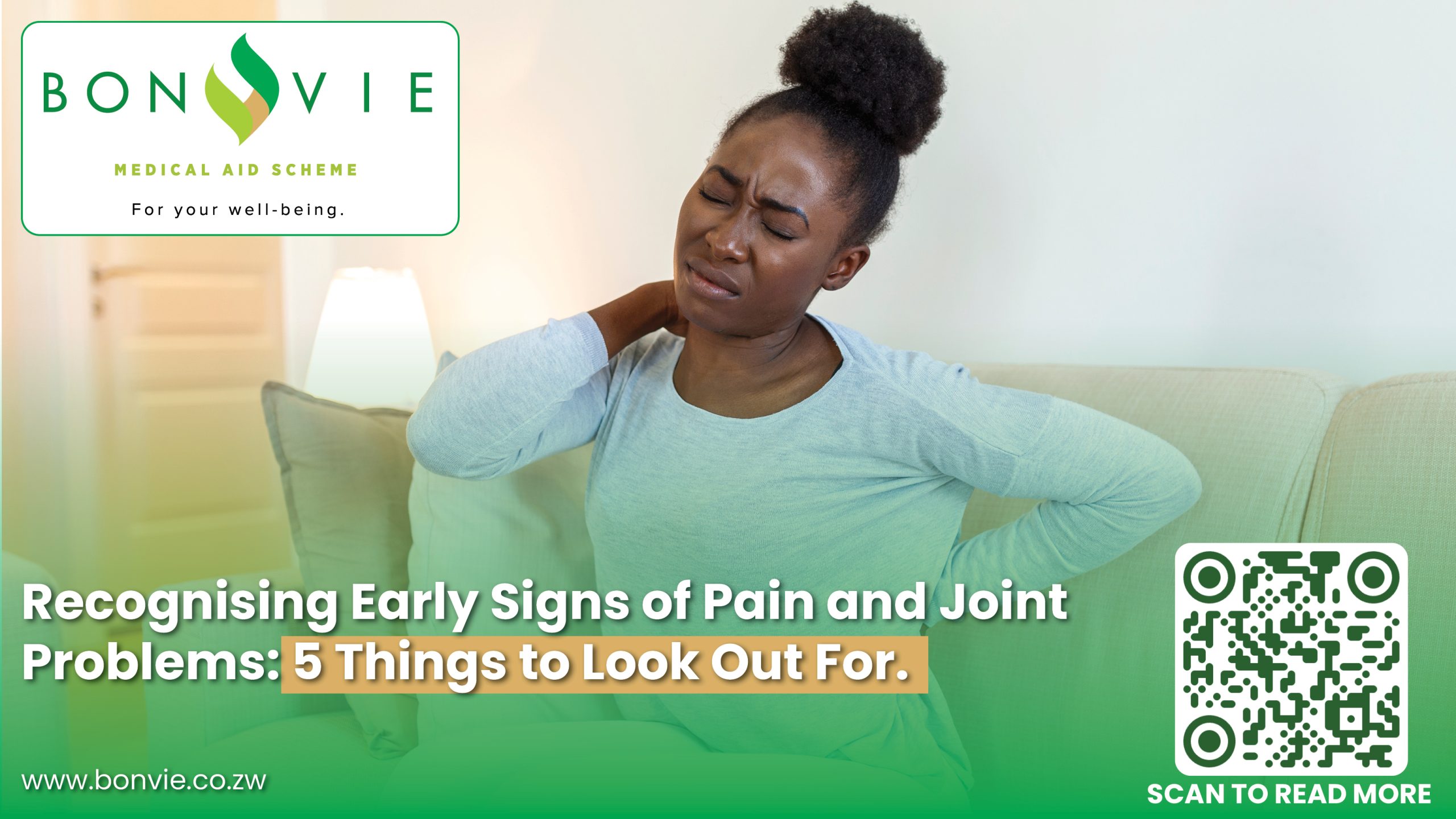
Your body is constantly keeping up and adapting to daily life, work demands, stress, movement, rest, and recovery. The earliest signs of joint issues are often subtle. Learning what to look out for helps you respond earlier and maintain your quality of life.
1. Pain That Repeats
Pain is one of your body’s ways of signaling that something isn’t right. Occasional discomfort after physical effort or long days can be normal, pain that keeps returning or lingers beyond a few days deserves attention [1].
You might notice pain:
- During or after your usual activities
- After long periods of sitting or standing
- At night or first thing in the morning
Ongoing pain may be linked to muscle strain, joint irritation, inflammation, or repeated strain on the same areas [2]. However, pain does not always mean injury. Take it as an indicator or one piece of the puzzle.
2. Stiffness That Affects How You Move
Stiffness can be described as feeling stuck or restricted in a certain area, especially after rest or a long period of inactivity. Common areas include the neck, shoulders, back, hips, and knees. Look out for stiffness that
- lasts longer than 20-30 minutes or
- affects your ability to move easily
This may indicate reduced joint mobility, muscle tension, or early inflammatory changes [3]. Over time stiffness can affect how you move day to day and this can increase strain on other areas of the body [4].
3. Recurrent Flare-Ups
A flare-up is when pain or stiffness suddenly increases after a period of improvement or minimal symptoms. Many people experience flare-ups related to back pain, joint conditions, or tendon issues.
Flare-ups are commonly triggered by:
- Increased workload or physical activity
- Emotional stress or poor sleep
- Sudden changes in routine
- Not allowing enough recovery time [5]
Frequent flare-ups may mean the underlying issue hasn’t fully resolved. Repeated flare-ups can make symptoms feel worse and last longer over time [6]. Recognising this pattern early means you can seek professional support and hopefully experience fewer disruptions to daily life.
4. Noticing Patterns Over Time
Self-awareness and noticing patterns are good skills to develop for protecting your health. Notice patterns over time, rather than focusing on single episodes.
Some questions to ask yourself:
- Do symptoms like pain and stiffness appear at the same time each day or week?
- Are they linked to work, stress, or activity levels?
- Do they improve with rest or activity?
These observations can help you identify whether symptoms are temporary or part of a developing pattern. This awareness supports better conversations with your healthcare professionals as well.
5. Consider Family History and Genetics
Your family health history matters because many conditions affecting joints, bones, and connective tissue have a genetic component. For example arthritis, osteoporosis, and some inflammatory or autoimmune conditions [7].
Make note if any family members have experienced:
- Joint pain or stiffness at a younger age
- Chronic back or neck issues
- Inflammatory joint conditions (like rheumatoid arthritis)
- Bone density problems or multiple fractures
This does not mean you will definitely have a particular condition, but it may be an indicator. Knowing your family history helps you recognise symptoms earlier and take supportive steps sooner.

Why Early Attention Makes a Difference
- Better recovery
- Fewer limitations to daily life
- Ongoing participation in work, family, and physical activity
- Long-term joint and musculoskeletal health [8]
When to Consider Professional Advice
You may benefit from a professional assessment if:
- Pain or stiffness lasts longer than two weeks
- Symptoms keep returning or worsening
- You notice swelling, weakness, or numbness
- Everyday activities become more difficult
Conclusion
Maintaining your health is not just about treatment when something goes wrong. It’s about understanding your body and taking action when needed. Paying attention to early signs help you stay proactive.
References
- International Association for the Study of Pain. IASP Terminology and Pain Definitions. (2020).
- Woolf, A. D., & Pfleger, B. Burden of major musculoskeletal conditions. Bulletin of the World Health Organization. (2003).
- McGill, S. Low Back Disorders: Evidence-Based Prevention and Rehabilitation. Human Kinetics. (2016).
- National Institute for Health and Care Excellence (NICE). Musculoskeletal conditions overview. (2022).
- Crofford, L. J. Psychological aspects of chronic musculoskeletal pain. Best Practice & Research Clinical Rheumatology. (2015).
- Moseley, G. L., & Butler, D. S. Fifteen years of explaining pain. Journal of Pain. (2015).
- Hunter, D. J., & Bierma-Zeinstra, S. Osteoarthritis. The Lancet. (2019).
- World Health Organization. Musculoskeletal health and prevention strategies. (2022).
Author

Lolitaire Moyo-Healey
M.Ost DO, UKIHCA-RHC, Founder, Registered Osteopath, Mindfulness Practitioner, Accredited Health + Life Coach