Written by Professor Stephen Mashingaidze and Rumbidzai Mukori-William for BonVie Medical Aid scheme
As we kick off April, and celebrate Easter, it is time to take ownership of our health. World Health Day reminds us that small daily habits can have a profound impact on our wellbeing. With the numerous conflicting health claims, one can be overwhelmed and feel confused. insights and practical tips to empower you to take ownership of your health, with small practical ways that can make a big difference in your health and wellbeing! [1].
Insights from Experts
According to researchers at the University of Cambridge Medical School, incorporating small habits into your daily routine can lead to significant long-term benefits [2]. Professor J. Chifamba, University of Zimbabwe, emphasizes the importance of managing chronic conditions with a multidisciplinary approach [3]. Professor David Ndetei highlights the consequences of sleep deprivation on physical and mental health [4].
Dr. Sarah Jarvis, a leading UK-based GP, notes that “small, sustainable changes are more likely to lead to long-term success in health and wellness.” This echoes the sentiment that gradual, consistent efforts can yield significant health benefits.
Your Health, Your Power: Small Daily Habits That Transform Your Life
Let’s explore simple yet powerful habits that can transform your life.
1. Prioritize Sleep 😴
Adequate sleep is essential for physical and mental health [5]. Aim for 7-8 hours of sleep each night to:
– Boost immune function
– Enhance cognitive performance
– Support weight management
Tip: Establish a bedtime routine and create a sleep-conducive environment.
2. Hydrate for Health 💧
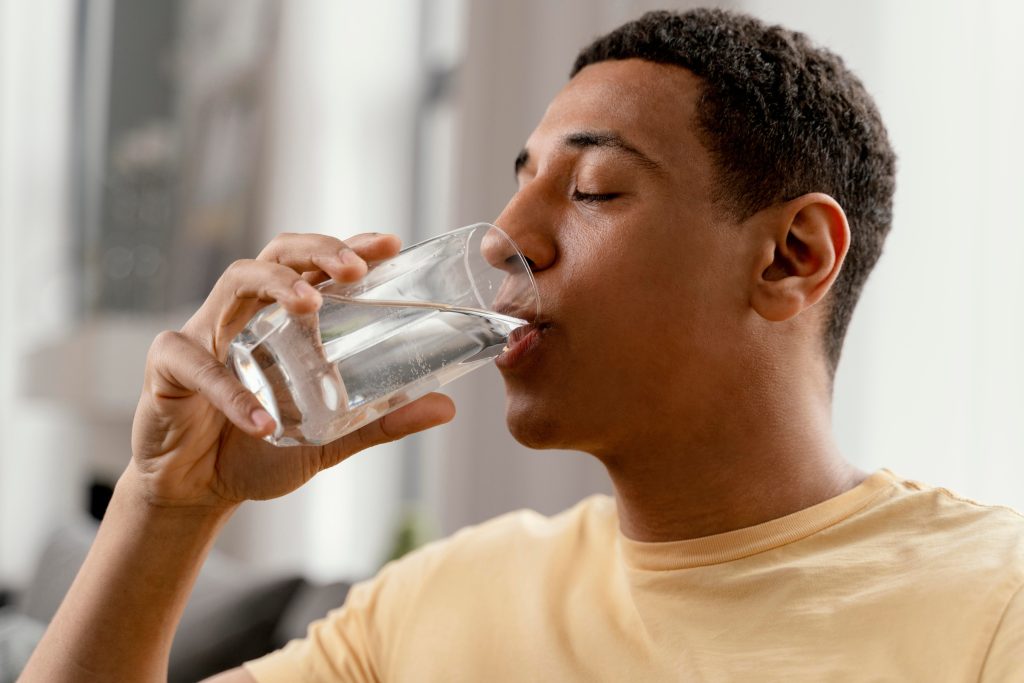
Drinking enough water plays a crucial role in maintaining overall health and wellness. Water helps regulate body temperature, transport nutrients and oxygen to cells, and remove waste products. 💧 Proper hydration can boost energy levels, support weight management, and even improve skin health. [6].
Why Water is Essential
- Regulates Body Temperature: Water helps regulate body temperature through sweating.
- Transports Nutrients and Oxygen: Water helps transport nutrients and oxygen to cells.
- Removes Waste Products: Water helps remove waste products through urine.
- Supports Digestion: Water aids in digestion and prevents constipation.
Benefits of Proper Hydration
- Boosts Energy Levels: Even mild dehydration can cause fatigue and decreased alertness.
- Supports Weight Management: Drinking water can help with weight loss and maintenance.
- Improves Cognitive Function: Hydration supports brain function and focus.
How Much Water Do You Need?
- General Recommendation: Aim for at least 2 liters (about 8 cups) of water daily.
- Adjust for Activity and Climate: Increase intake with physical activity or in hot climates.
Tip: Make water your go-to beverage and carry a water bottle throughout the day.
Fuel Your Body 🥗
Nutrition plays a vital role in overall health. Focus on:
- Whole, unprocessed foods
- Colorful fruits and veggies
- Lean proteins and healthy fats [7]
Tip: Aim for 5 servings of fruits and veggies daily.
Move Your Body 🏋️
Regular physical activity is a cornerstone of overall health and well-being.
Benefits of Physical Activity
- Reduces Chronic Disease Risk: Regular exercise helps prevent heart disease, type 2 diabetes, and certain cancers [7].
- Boosts Mental Health: Physical activity reduces symptoms of anxiety and depression, improving mood and cognitive function [8].
- Supports Weight Management: Exercise helps with weight loss and maintenance, reducing obesity-related risks [9].
- Strengthens Bones and Muscles: Weight-bearing activities like walking and resistance training promote bone health and muscle strength [10].
Tips for Getting Active
- Find What You Love: Choose activities you enjoy, like dancing, swimming, or hiking.
- Start Small: Begin with short sessions (20-30 minutes) and gradually increase duration and intensity.
- Make It a Habit: Aim for at least 150 minutes of moderate-intensity exercise or 75 minutes of vigorous-intensity exercise weekly [11].
Conclusion
This Easter let us take time to reflect and decide on which small action to take daily. Find a friend or family whom you can share your health goals with, to keep you accountable. Daily keep track of your habits using a journal or app, for inspiration. Remember to join Bonvies wellness community for support and motivation.
References:
1. LeWine, H. (2022). Even small changes can make a big difference in your health and wellbeing. Harvard Health Publishing.
2. University of Cambridge Medical School. (2022). Incorporating small habits into your daily routine.
3. Chifamba, J. (2023). Managing chronic conditions in Zimbabwe: A multidisciplinary approach. Zimbabwe Medical Journal, 57(1), 1-10.
4. Ndetei, D. (2022). Sleep deprivation and its consequences on physical and mental health. African Journal of Psychiatry, 25(1), 1-8.
5. Hirshkowitz, M., Wharton, K., Albert, S. M., Alessi, C., Bruni, O., DonCarlos, L., … & Neubauer, D. N. (2015). National Sleep Foundation’s sleep time duration recommendations: methodology and results summary. Sleep Health, 1(2), 129-157.
6. Popkin, B. M., D’Anci, K. E., & Rosenberg, I. H. (2010). Water, hydration, and health. Nutrition Reviews, 68(8), 439-458.
7. Hu, F. B. (2011). Globalization of diabetes: The role of diet, lifestyle, and genes. Diabetes Care, 34(6), 1249-1257.
8. Harris, A. H. (2006). Exercise and mental health. Journal of Clinical Psychology, 62(8), 931-943.
9. Donnelly, J. E. (2009). Appropriate physical activity intervention strategies for weight loss and prevention of weight regain for adults. Journal of Applied Physiology, 107(3), 625-634.
10. Joyner, M. (2016). Physical activity: A wonder drug? Mayo Clinic Proceedings, 91(10), 1345-1347.
11. World Health Organization. (2023). Physical activity.