
Written by Professor Stephen Mashingaidze and Rumbidzai Mukori-William for BonVie Medical Aid scheme
“The brain is a world consisting of a number of unexplored continents.” – Santiago Ramón y Cajal
Brain health is a cornerstone of overall wellbeing, influencing memory, decision‑making, and emotional resilience. Emerging research highlights two powerful, non‑pharmacological ways to protect and enhance the brain: mindfulness practices and physical activity. Together with other lifestyle choices such as social engagement, sleep management, and stress reduction, these strategies form a holistic approach to maintaining cognitive vitality, especially in aging populations and diverse settings like Zimbabwe [1].
The Power of Movement
Regular exercise is one of the most effective ways to protect brain health. Physical activity boosts blood flow to the brain, enhancing cognitive function and reducing the risk of neurodegenerative diseases like Parkinson’s [2]. Even simple activities such as walking, dancing, or gardening make a significant difference. In Zimbabwe, epidemiological studies suggest that physical activity levels are associated with reduced risk of cognitive decline. A study conducted in urban Zimbabwe found that participants engaging in regular physical activity had a 30% lower risk of developing dementia compared to those with sedentary lifestyles [3].
In comparison, Canada reports lower physical activity levels, with only 49.2% of adults and 43.9% of children and youth meeting the recommended 150 minutes of moderate-to-vigorous physical activity (MVPA) per week in 2018-2019 [4]. In contrast, a study on Zimbabwean undergraduate students found that 75.7% engaged in moderate-to-high physical activity levels, highlighting potential differences in physical activity patterns between populations [5].
Exercise Benefits for the Brain:
- Cerebral Blood Flow: Aerobic exercise increases oxygen and nutrient delivery to neural tissues, supporting neuronal health and metabolic efficiency [6].
- Neurotrophic Factors: Physical activity stimulates production of brain‑derived neurotrophic factor (BDNF), fostering neuron growth, synaptic plasticity, and new neural pathways essential for learning and memory [7].
- Cognitive Enhancement: Regular routines improve executive functions—attention, processing speed, and problem‑solving—while lowering dementia risk [8].
- Neuroprotection: Exercise reduces oxidative stress and inflammation, protecting against neurodegenerative processes and regulating stress hormones that impair cognition [9].
Practical Tips: Design culturally relevant, enjoyable activities (traditional dance, community walks, strength training) and aim for at least 150 minutes of moderate aerobic exercise weekly to maximize brain‑boosting effects [10].

Mindfulness & Brain Health
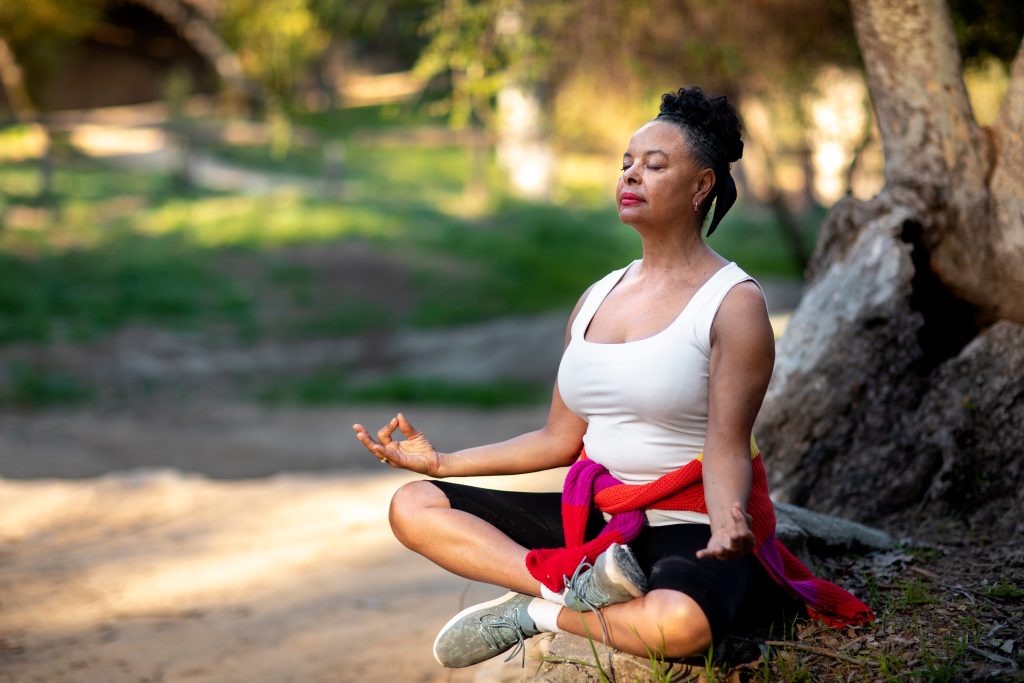
Mindfulness is the intentional practice of anchoring attention to the present moment with non‑judgmental awareness. It triggers profound neurobiological changes that benefit the brain:
- Neuroplasticity: Regular mindfulness reshapes neural networks, strengthening prefrontal cortex connections for focus, planning, and impulse control [11].
- Structural Changes: Long‑term practice increases gray‑matter density in the hippocampus (memory) and cortical regions for emotional regulation, while reducing amygdala activity (stress response) [12].
- Stress & Inflammation Reduction: Mindfulness lowers cortisol and inflammatory markers that damage brain tissue and accelerate cognitive decline [13].
Practical Implementation: Integrate daily 10‑minute breathing sessions, body‑scan meditations, or mindful walking, tailored to cultural rhythms, to sharpen mental clarity, improve resilience, and protect against age‑related neurodegeneration.

Lifestyle Choices for Brain Health
- Sleep: Aim for 7–9 hours per night [14].
- Social Connections: Maintain social ties and engage in joyful activities [15].
- Cognitive Training: Use targeted mental exercises; “brain‑train” efficacy is debated [16].
- Stress Management: Chronic stress harms the brain; techniques like meditation or yoga help [17].
- Nutrition: A balanced diet rich in antioxidants, omega-3 fatty acids, and essential nutrients supports brain health [18].
Conclusion
Protecting brain health requires a multifaceted approach: physical activity, balanced nutrition, mindfulness, mental stimulation, and stress management. Adopting healthy lifestyle choices and staying informed reduces neurological disorder risk and promotes overall wellbeing.
References:
1. Ramón y Cajal, S. (1894). Les Nouvelles Idées sur la Structure du Système Nerveux.
2. Harvard Health Publishing. (2020). The benefits of exercise for brain health.
3. Zimbabwe Journal of Public Health. (2018). Physical activity and cognitive decline in urban Zimbabwe.
4. Statistics Canada. (2019). Physical activity levels among adults and youth.
5. Journal of Physical Activity and Health. (2020). Physical activity patterns among Zimbabwean undergraduate students.
6. Erickson, K. I., et al. (2011). Exercise training increases size of hippocampus and improves memory. _Proceedings of the National Academy of Sciences_.
7. Cotman, C. W., & Berchtold, N. C. (2007). Exercise and the brain: A review of the evidence. _NeuroRx_.
8. Livingston, G., et al. (2020). Dementia prevention, intervention, and care. _The Lancet_.
9. American Psychological Association. (2020). Exercise and mental health.
10. National Institute on Aging. (2020). Exercise and physical activity.
11. Davidson, R. J., & Lutz, A. (2008). Altering brain function through meditation: A review of the effects of meditation on the brain. _Psychosomatic Medicine_.
12. Hölzel, B. K., et al. (2011). Mindfulness practice leads to increases in regional brain gray matter density. _Psychiatry Research: Neuroimaging_.
13. Kabat-Zinn, J. (2003). Mindfulness-based interventions in context: Past, present, and future. _Clinical Psychology: Science and Practice_.
14. National Sleep Foundation. (2020). How much sleep do we really need?
15. Holt-Lunstad, J., et al. (2015). Social Relationships and Mortality: A Review. _Perspectives on Psychological Science_.
16. Simons, D. J., et al. (2016). Do “Brain‑Train” Games Work? Psychological Science in the Public Interest.
17. American Psychological Association. (2020). Stress in America.
18. Harvard T.H. Chan School of Public Health. (2020). The brain’s food.