Written by Professor Stephen Mashingaidze and Rumbidzai Mukori-William for BonVie Medical Aid scheme
High blood pressure, also known as hypertension, is a serious health condition that affects millions of people worldwide (1). It is often referred to as a “silent killer” because it can cause significant damage to the body without noticeable symptoms (2). In this article, we will explore the causes of high blood pressure, its effects on the body, and what you can do to manage it.
What is High Blood Pressure?
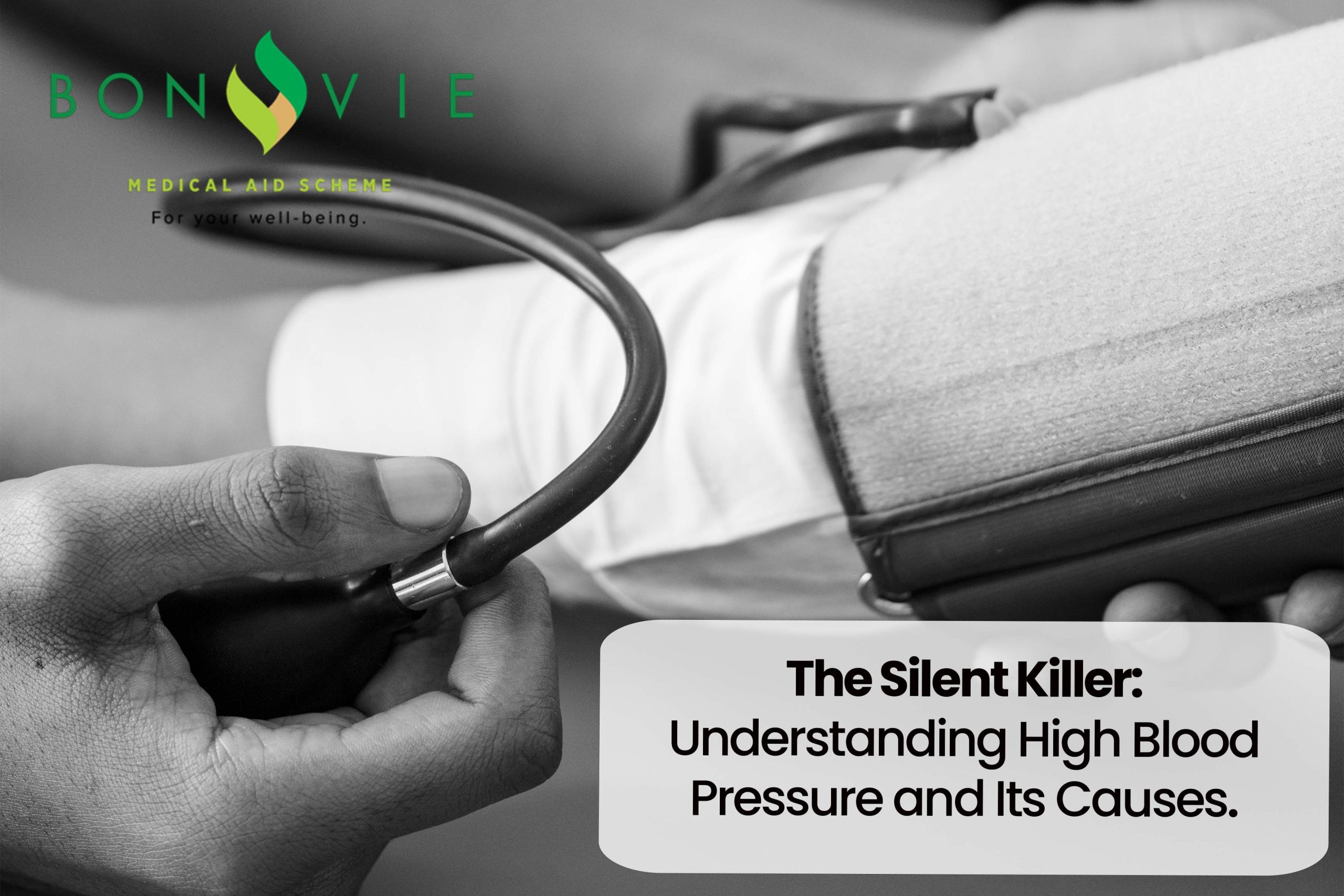
High blood pressure is a condition in which the force of blood against the walls of the arteries is consistently too high (3). This can cause damage to the blood vessels, heart, and other organs, leading to serious health problems such as heart disease, stroke, and kidney disease (4). Blood pressure is measured in millimeters of mercury (mmHg) and is expressed as two numbers: systolic pressure (the top number) and diastolic pressure (the bottom number). A normal blood pressure reading is typically around 120/80 mmHg.
Causes of High Blood Pressure
There are several factors that can contribute to high blood pressure, including:
Genetics: Family history can play a significant role in the development of high blood pressure (5). If your parents or grandparents had high blood pressure, you may be more likely to develop it as well.
Age: As we age, our blood vessels become less flexible, which can lead to increased blood pressure (1).
Physical inactivity: A sedentary lifestyle can contribute to high blood pressure (2). Regular physical activity can help lower blood pressure and improve overall health.
Obesity: Being overweight or obese can increase the risk of developing high blood pressure (3). Excess weight can also lead to other health problems, such as diabetes and heart disease.
Sodium intake: Consuming too much sodium can lead to high blood pressure in some people (4). The American Heart Association recommends consuming no more than 2,300 milligrams of sodium per day.
Stress: Chronic stress can contribute to high blood pressure (5). Finding healthy ways to manage stress, such as chamomile tea, banana, nuts and dark chocolate will help to relax the body naturally.
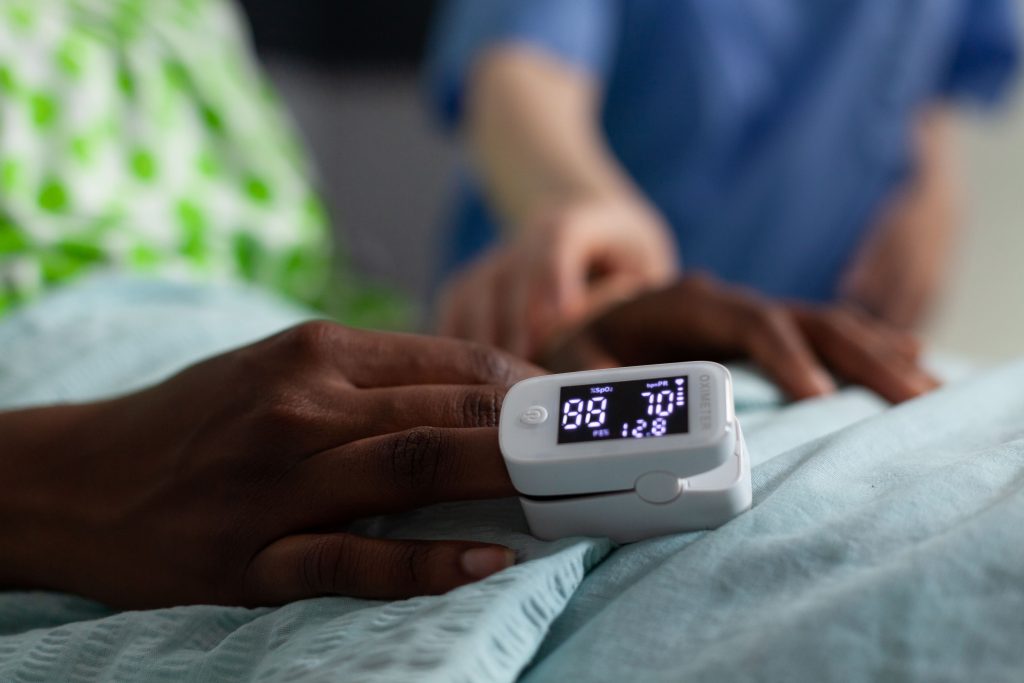
Image Courtesy of Freepik
Effects of High Blood Pressure on the Body
High blood pressure can cause significant damage to the body if left unmanaged. Some of the potential effects of high blood pressure include:
Heart disease: High blood pressure can cause the heart to work harder, leading to thickening of the heart muscle and potentially causing heart failure (1).
Stroke: High blood pressure can cause blood vessels in the brain to burst, leading to a stroke (2).
Kidney disease: High blood pressure can damage the kidneys and lead to kidney disease or failure (3).
Vision loss: High blood pressure can cause blood vessels in the eyes to burst, leading to vision loss (4).
Managing High Blood Pressure
While some risk factors for high blood pressure cannot be changed, there are several lifestyle modifications that can help manage the condition. These include:
Regular exercise: Engaging in regular physical activity can help lower blood pressure and improve overall health (5). Engage in cardio workouts that help to get the heart pumping more.
Healthy diet: Eating a balanced diet that is low in sodium and rich in fruits, vegetables, and whole grains can help manage blood pressure (1).
Weight management: Maintaining a healthy weight can help lower blood pressure and reduce the risk of associated health problems (2).
Stress management: Finding healthy ways to manage stress, such as through meditation or yoga, can help lower blood pressure (3).
Monitoring blood pressure: Regularly monitoring blood pressure can help identify any changes and allow for early intervention, using weekly or monthly readings, depending on the health status of the individual (4).
Conclusion
High blood pressure is a serious health condition that requires attention and management. By understanding the causes of high blood pressure and making lifestyle modifications, individuals can reduce their risk of developing this condition and its associated complications (5).
References:
American Heart Association. (2022). High Blood Pressure. Retrieved from <(link unavailable)>
Centers for Disease Control and Prevention. (2022). High Blood Pressure. Retrieved from <(link unavailable)>
World Health Organization. (2021). Hypertension. Retrieved from <(link unavailable)>
National Institute of Diabetes and Digestive and Kidney Diseases. (2020). High Blood Pressure. Retrieved from <(link unavailable)>
5. Mayo Clinic. (2022). High blood pressure (hypertension). Retrieved from <(link unavailable)>