
Written by Lolitaire Moyo-Healey. M.Ost DO, UKIHCA-RHC for BonVie Medical Aid scheme

If you live with aching, stiff, or swollen joints, you may have already tried many things to manage them including rest and pain medication. One factor that is often overlooked is what you eat every day. Growing research suggests that your diet can either increase joint inflammation or reduce it. The difference can be significant.
The Inflammation Connection
Joint pain in conditions like osteoarthritis and rheumatoid arthritis is closely tied to inflammation. Your body uses inflammation as a natural defence mechanism, but when it becomes chronic and low-grade, it begins to damage joint tissue and increase pain signals [1].
What you eat directly influences this process. Measurable markers of inflammation in your blood respond to dietary patterns. People who regularly eat a ‘Western-style’ diet high in processed foods tend to have elevated inflammation levels, while those following anti-inflammatory dietary patterns show lower levels [1, 2].
Foods That May Be Making Things Worse

Certain foods are well-documented as pro-inflammatory (they increase inflammation). If you are experiencing joint pain, it is worth looking at how often these appear in your diet:
- Processed and added sugars – Sugar triggers inflammation which contributes to swelling and joint pain. This includes corn syrup, fructose, sucrose, and maltose found in fizzy drinks, sweets, pastries, and many breakfast cereals [3, 4].
- Refined carbohydrates – White bread, white rice, and instant starches are quickly digested and promote inflammation. They can also increase the formation of compounds associated with joint tissue damage [5]. If you eat sadza daily, choosing coarser, less refined meal or occasionally substituting with sorghum or rapoko can make a meaningful difference
- Trans fats – Fried foods, and processed snacks contain fats that trigger inflammation in fat tissue, which in turn worsens arthritis-related inflammation [3, 4].
- Processed meats – Products like sausages, bacon, and polony contain nitrites and purines that increase the body’s inflammatory load and have been linked to worsened joint pain [6].
Foods That May Help
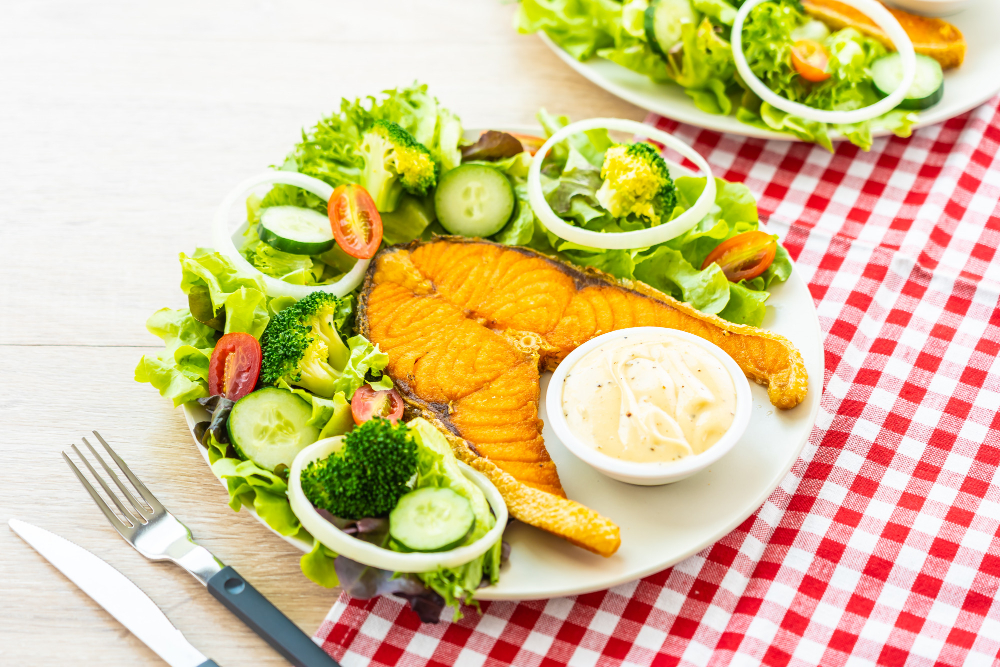
The good news is that dietary changes can work in the other direction too. Many foods have evidence behind them for reducing joint inflammation:
- Fatty fish – Omega-3 fatty acids found in fish like sardines and mackerel directly target inflammation in the body. People who eat omega-3-rich foods regularly report a meaningful reduction in joint pain and stiffness [7]. Aim for two to three servings per week. If fish is not an option, plant-based sources like ground flaxseed and walnuts also contain omega-3s.
- Colourful fruits and vegetables – Brightly coloured produce is packed with antioxidants that specifically target joint inflammation. Berries, spinach, broccoli, and sweet peppers are all good choices [2].
- Ginger – Some studies suggest ginger has anti-inflammatory properties that may be comparable to mild pain-relief medication in people with osteoarthritis and rheumatoid arthritis [7].
- Vitamin D-rich foods – Low blood levels of Vitamin D have been linked to a higher risk of both osteoarthritis and rheumatoid arthritis. Sources include egg yolk, fortified milk, and sensible sun exposure [7].

The Bigger Picture: Dietary Patterns Matter Most
Of all the dietary patterns studied, the Mediterranean diet is often used as a standard to support reducing joint pain. It emphasises fish, vegetables, beans, whole grains, and olive oil [8, 9].
While this is a Western framework, the underlying principles map well onto traditional Zimbabwean eating. Foods like fish (kapenta, bream, trout), leafy greens (spinach and pumpkin leaves), legumes (beans and peanuts), and whole grains (brown rice, maize, sorghum) all can decrease inflammation.
The shift away from these traditional foods, towards more processed meats, refined starches, and sugary drinks is exactly what is harmful for joint health.
An Important Note
Diet is not a substitute for medical treatment. While the evidence linking dietary patterns to joint inflammation is credible and growing- no single food is a cure [10]. Think of dietary changes as a meaningful complement to your prescribed treatment, not a replacement for it. If you are considering significant changes to how you eat, it is suggested you speak to your doctor or a registered dietitian first.
Conclusion
Small, consistent changes of reducing processed food and sugary drinks, increasing vegetables, and adding more fish can add up over time and may contribute meaningfully to how your joints feel day to day.
References
- Joint Pain Authority. *Anti-Inflammatory Diet for Joint Pain: What to Eat.* March 2026. Available at: https://jointpainauthority.com/blog/anti-inflammatory-diet-joint-pain-guide
- Harvard Health Publishing. *An anti-inflammatory diet may be good for your joints.* February 2022. Available at: https://www.health.harvard.edu/diet-and-nutrition/an-anti-inflammatory-diet-may-be-good-for-your-joints
- Arthritis Foundation. *8 Food Ingredients That Can Cause Inflammation.* December 2023. Available at: https://www.arthritis.org/health-wellness/healthy-living/nutrition/foods-to-limit/8-food-ingredients-that-can-cause-inflammation
- Lehigh Valley Health Network. *Avoid These Inflammatory Foods to Ease Joint Pain.* December 2021. Available at: https://www.lvhn.org/news/avoid-these-inflammatory-foods-ease-joint-pain
- MedicineNet. *What Foods Cause Joint Pain?* July 2021. Available at: https://www.medicinenet.com/what_foods_cause_joint_pain/article.htm
- NASA Bone & Joint Specialists. *Foods to Avoid if You Have Chronic Joint Pain.* Available at: https://www.nasabone.com/blog/foods-to-avoid-if-you-have-chronic-joint-pain
- Brown University Health. *Foods for Fighting Inflammation, Arthritis and Joint Pain.* Available at: https://www.brownhealth.org/be-well/foods-fighting-inflammation-arthritis-and-joint-pain
- Gioxari A, et al. *Mediterranean Diet and Physical Activity Nudges versus Usual Care in Women with Rheumatoid Arthritis: Results from the MADEIRA Randomized Controlled Trial.* Nutrients. 2023;15(3):676. Available at: https://www.ncbi.nlm.nih.gov/pmc/articles/PMC9919932/
- Rios MCA, et al. *Evidence-Based Dietary Practices to Improve Osteoarthritis Symptoms: An Umbrella Review.* Nutrients. 2023. Available at: https://www.ncbi.nlm.nih.gov/pmc/articles/PMC10347206/
- Forsyth C, et al. *Combined Effects of Diet and Physical Activity on Inflammatory Joint Disease: A Systematic Review and Meta-Analysis.* Nutrients. 2023. Available at: https://www.ncbi.nlm.nih.gov/pmc/articles/PMC10218217/
Author

Lolitaire Moyo-Healey
M.Ost DO, UKIHCA-RHC, Founder, Registered Osteopath, Mindfulness Practitioner, Accredited Health + Life Coach