Written by Professor Stephen Mashingaidze and Rumbidzai Mukori-William
This article incorporatesreference to the University of Zimbabwe Medical School, highlighting global research insights in addressing breast cancer in Zimbabwe.
Breast cancer is a significant health concern globally, with varying prevalence rates across different regions. In Zimbabwe, breast cancer is one of the most common cancers affecting women. According to recent studies, the country has seen a rise in breast cancer cases, emphasizing the need for effective prevention and management strategies. Nutritional interventions have emerged as a promising approach to reducing the risk and impact of breast cancer. This article explores the prevalence of breast cancer in Zimbabwe and discusses potential nutritional strategies for prevention and management using nutritional interventions.
Nutritional Interventions for Breast Cancer Prevention
Studies conducted by the University of Zimbabwe Medical School have highlighted the importance of lifestyle factors, including diet, in breast cancer prevention and management (1). Research from the institution emphasizes the need for comprehensive approaches to address the growing burden of breast cancer in Zimbabwe. Research has shown that diet plays a significant role in cancer prevention and management, yet there is no single “breast cancer diet,” research suggests that certain nutrients and dietary patterns may help support immune function and potentially reduce breast cancer risk (2) Certain nutrients and dietary patterns can influence cancer risk and progression. For breast cancer, specific nutritional interventions have shown promises:
The Power of Antioxidants
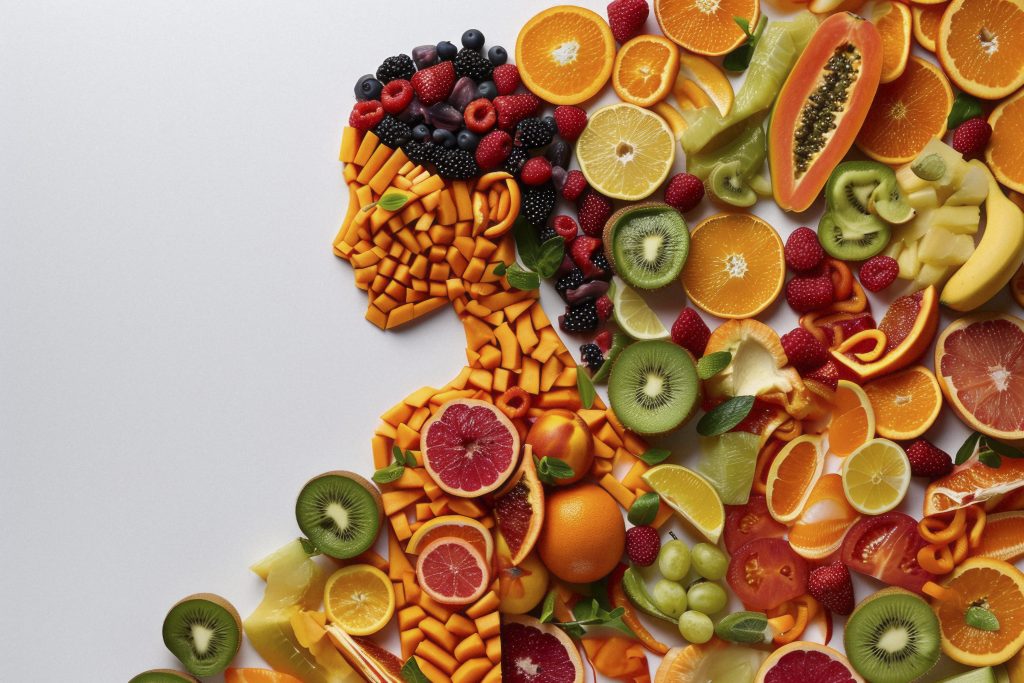
Antioxidants, such as vitamins C and E, beta-carotene, and polyphenols, play a crucial role in protecting cells from damage caused by free radicals. Foods rich in antioxidants include allium vegetables such as onions, leeks and garlic.
Research was conducted using garlic extract, which was dripped onto breast cancer cells and out of 34 different vegetable extracts, it was the most powerful anti-cancer food as it stopped growth completely against the tumour cells.(3) Fruits such as berries, citrus fruits, and apples are also beneficial and have high antioxidant levels.
Fiber: A Key Player in Immune Function
Fiber is key for helping to support immune function by promoting a healthy gut microbiome, which is the center for a healthy immune boost. Pumpkin and butternut seeds are immunity boosters, high in antioxidants (carotenoids), omega-3 fatty acids, and zinc. Nuts such as walnuts are high in fiber, containing ellagic acid, a cancer-fighting antioxidant and almond nuts are best roasted as this heating process activates a higher % of antioxidants. (4)
Cruciferous Vegetables: Potential Breast Cancer Fighters
Glucosinolates which give vegetables a bitter taste and as they are broken down by chewing or cooking, they form compounds that have anti-cancer properties. These include cabbage (white and red), broccoli, sweet potato leaves, cow peas leaves, pumpkin leaves, tsunga or mustard greens, rape or covo and cauliflower. It is important to note that vegetables have different inhibitory activities towards cancer cells, and inclusion of cruciferous and allium vegetables in the diet is essential for effective dietary-based chemopreventive strategies.
A Balanced Approach
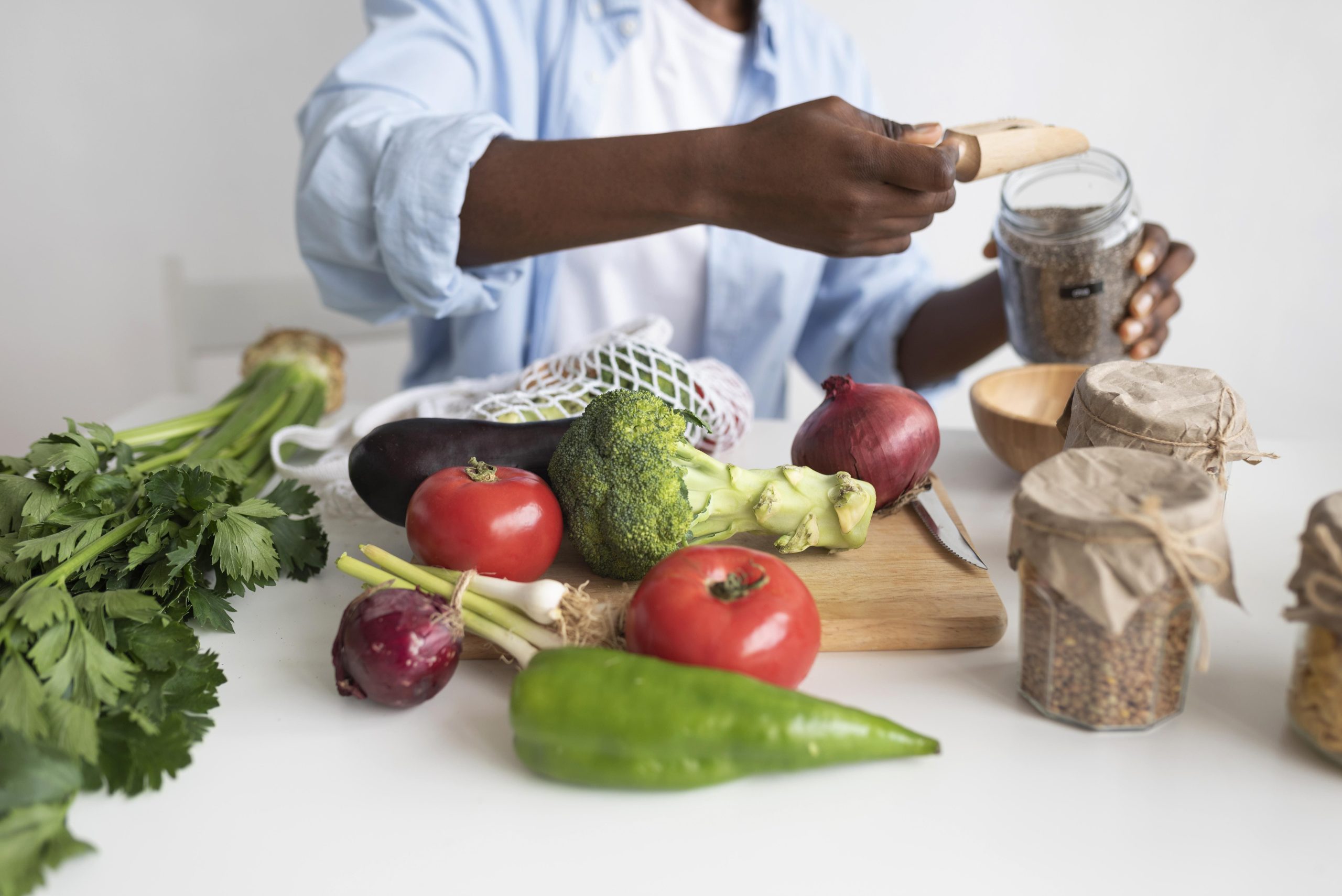
While nutrition plays a significant role in supporting immune function and potentially reducing breast cancer risk, it’s essential to maintain a balanced approach. (5) A healthy diet combined with regular physical activity, stress management, and regular health check-ups can help support overall health and well-being.
Conclusion
Breast cancer remains a significant health challenge in Zimbabwe, but nutritional interventions offer a promising avenue for prevention and management. By promoting a diet rich in fruits, vegetables, whole grains, and healthy fats, and by reducing alcohol and processed food intake, individuals can potentially lower their risk of breast cancer. Continued research, public health initiatives, and access to nutritious foods are essential for implementing these strategies effectively. Through a combined effort, it is possible to reduce the burden of breast cancer in Zimbabwe and improve overall health outcomes. (6)
References:
- University of Zimbabwe Medical School. (2020). Breast Cancer Research in Zimbabwe: A Review of Lifestyle Factors.
- (Mashingaidze, 2020; Willett, 2019). World Health Organization (WHO). (2022). Breast Cancer.
- Food Chemistry (2009). Antiproliferative and antioxidant activities of common vegetables: A comparative study.
- National Library of Medicine (2008). Polyphenols and antioxidant properties of almond skins: influence of industrial processing.
- American Cancer Society. (2023). Diet and Cancer.
- Zimbabwe National Cancer Registry. (2021). Cancer Incidence Report.
Quite informative, thank you
I need support on this dietary news have started my breast cancer chemo on Tuesday l need help to go through the process.thank you so much with this helpfull information..