Written by Professor Stephen Mashingaidze and Rumbidzai Mukori-William for BonVie Medical Aid scheme
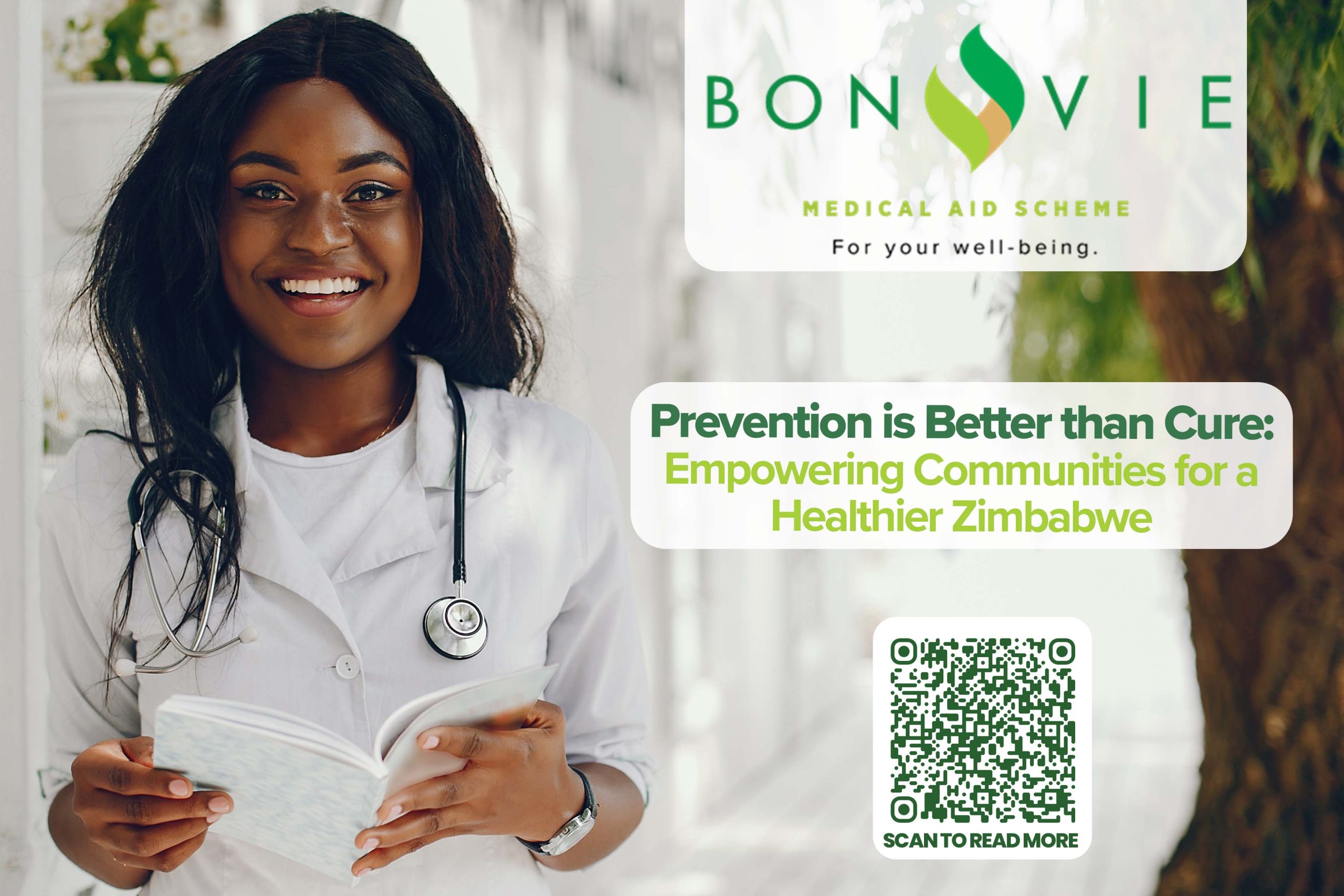
In the pursuit of a healthier Zimbabwe, the age-old adage “prevention is better than cure” rings truer than ever. As the country grapples with infectious diseases like HIV, TB, and malaria, alongside rising non-communicable diseases, preventative care is the key to reducing the burden on the healthcare system and improving overall well-being. Vaccination, a cornerstone of preventative care, has been instrumental in controlling diseases like measles, polio, and COVID-19 [1]. However, in the post-COVID-19 era, vaccination efforts are met with both enthusiasm and skepticism, fueled by conspiracy theories and misinformation. Despite these debates, vaccinations remain a necessary effort in protecting individuals and communities.
The Importance of Preventative Care
Vaccination plays a vital role in boosting immunity and protecting communities. By staying up-to-date on recommended vaccinations, individuals can safeguard themselves and those around them. In Zimbabwe, vaccination efforts have been instrumental in controlling diseases like measles, polio, and COVID-19 [2]. Preventative care is the foundation of a healthy nation. By focusing on stopping diseases before they start, Zimbabweans can reduce the burden on the healthcare system and improve overall well-being. This approach includes vaccination, healthy habits, and early detection of health issues. According to the World Health Organization (WHO), preventative care can reduce the risk of chronic diseases by up to 80% [3].
Strategies for a Healthier Zimbabwe
- Stay Informed: Learn about recommended vaccinations, healthy habits, and disease prevention strategies.
- Healthy Habits: Practice balanced diets, regular exercise, and adequate sleep to support immune function.
- Community Participation: Engage with community health initiatives and encourage others to do the same.
- Support Networks: Establish
Nutrition and Vaccination: A Powerful Partnership
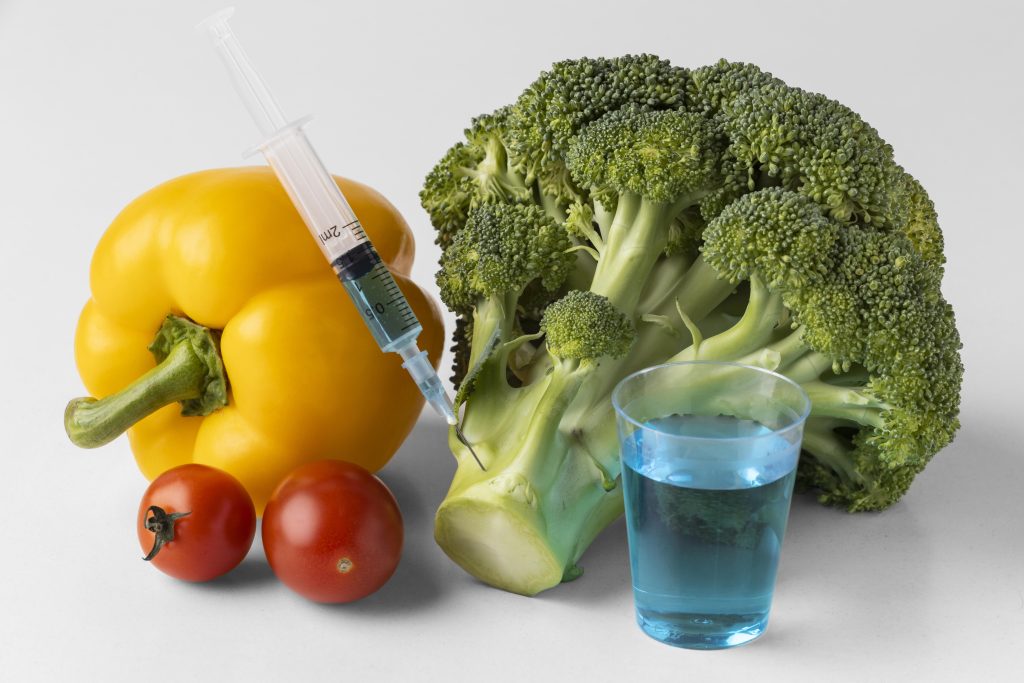
Good nutrition plays a critical role in supporting immune function and maximizing the benefits of vaccination. Adequate nutrition before, during, and after vaccination can help reduce the risk of adverse reactions and support the body’s response to vaccines. For infants, exclusive breastfeeding for the first six months is recommended, as breast milk provides essential nutrients and antibodies that support immune development. For older children and adults, a balanced diet rich in fruits, vegetables, whole grains, and lean proteins can help support immune function and overall health. Healthcare providers should emphasize the importance of nutrition in conjunction with vaccination to promote optimal health outcomes.
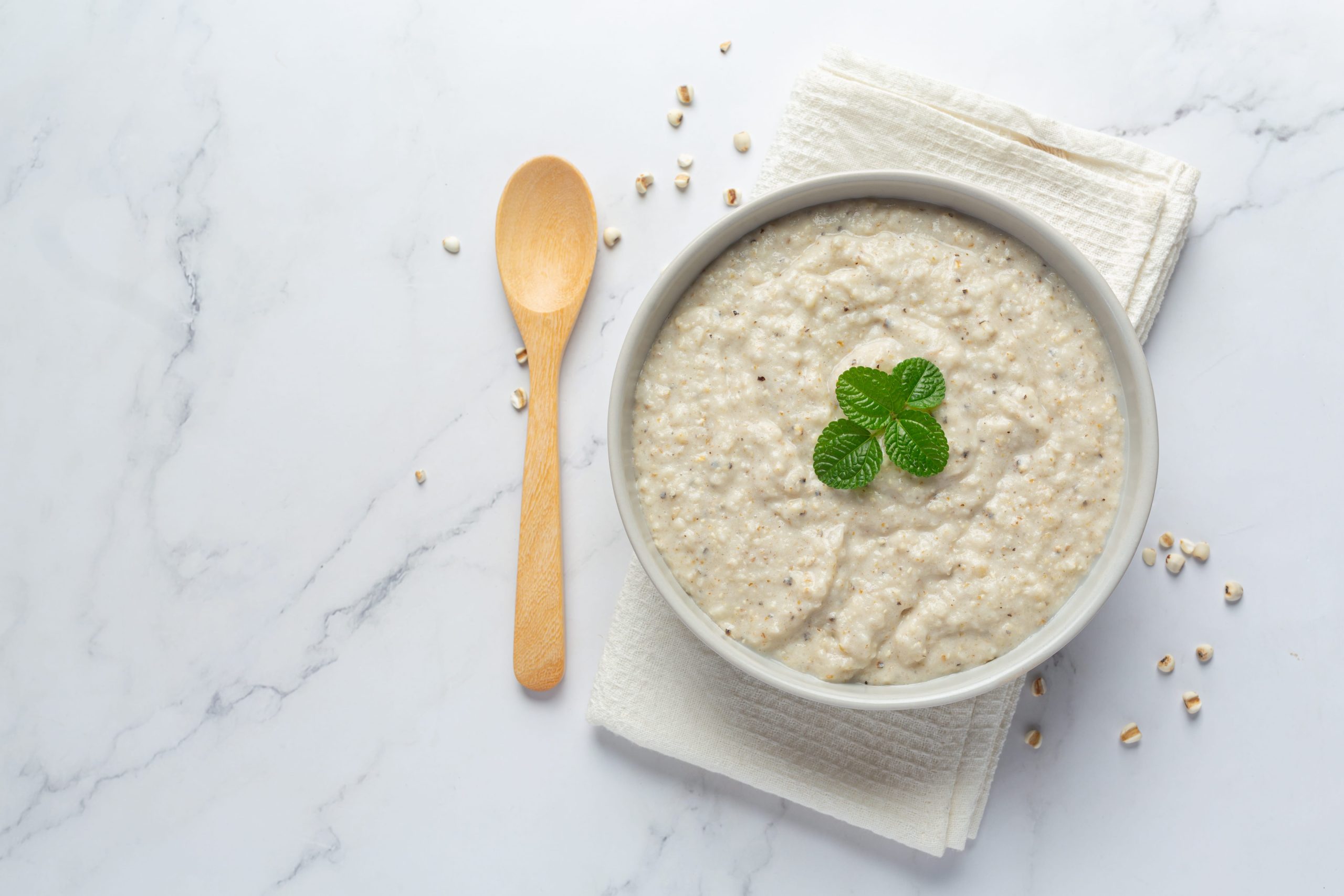
Traditional Nutritional Practices: A Boost for Vaccination
In Zimbabwe, traditional nutritional practices can complement vaccination efforts. For example, giving infants a teaspoon of mutandazo (a traditional porridge made from sorghum or millet) after vaccination can help soothe them and provide essential nutrients. [4].Similarly, sadza (a staple food made from maize or sorghum) with leafy greens like rape or leafy greens can provide vital vitamins and minerals. [5].
Grandmothers often recommend ginger tea to help alleviate vaccine-related discomfort. These traditional practices can support immune function and promote overall health when combined with modern vaccination approaches. [6].
Taking Personal Responsibility
Individuals and families can take personal responsibility for their health by adopting healthy habits and staying informed about disease prevention. This includes practicing good hygiene, getting vaccinated, and seeking medical care when needed. By taking ownership of our health, we can reduce the risk of diseases and improve overall well-being.
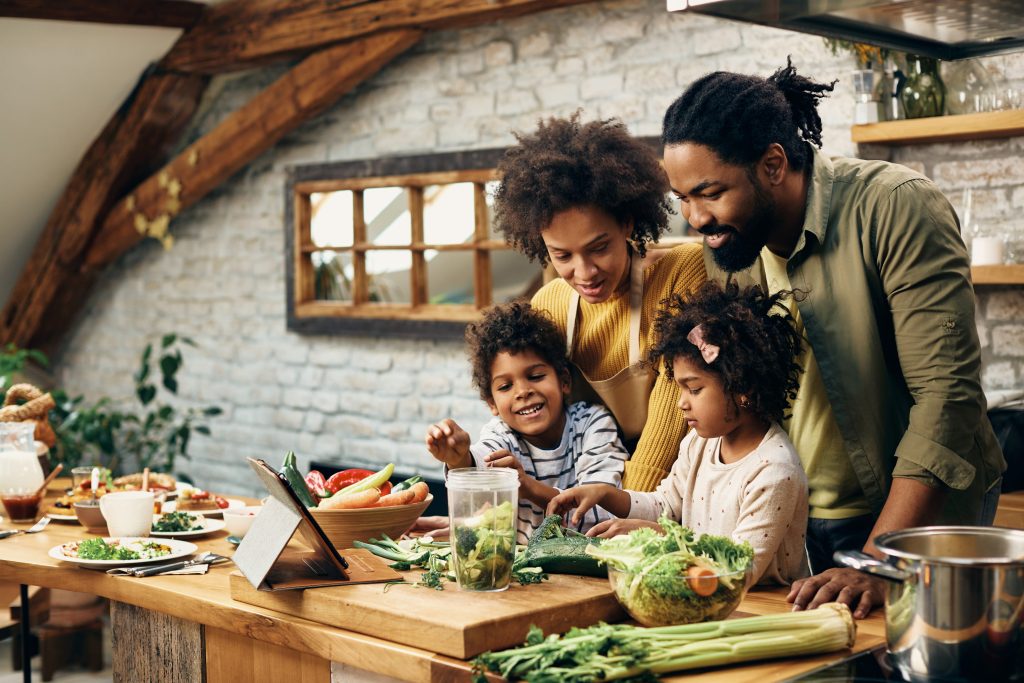
Empowering Families for Health
Families are the cornerstone of communities, and empowering them with health knowledge and resources is crucial. Families can promote healthy habits, support vaccination efforts, and create a safe and healthy environment. By working together, families can build a culture of health and wellness that benefits everyone.
Conclusion
Despite progress, Zimbabwe faces challenges like limited resources, vaccine hesitancy, and socio-economic constraints. Preventative care, vaccination, and community engagement are key to a healthier nation. By taking responsibility for our health and supporting one another, we can build a resilient health system and improve overall well-being.
References:
1. World Health Organization (WHO). (2022). Preventative Care and Chronic Disease Management.
2. Ministry of Health and Child Care, Zimbabwe. (2022). National Vaccination Programme.
3. UNICEF Zimbabwe. (2022). Vaccination Coverage Survey 2022.
4. Nyirenda, D. B., et al. (2018). Traditional complementary feeding practices and associated factors among caregivers in Zimbabwe. Journal of Nutrition and Metabolism, 1-9.
5. Maroyi, A. (2017). Use of traditional vegetables in Zimbabwe: A review. African Journal of Food, Agriculture, Nutrition and Development, 17(2), 12241-12257.
6. Mashamba, T., et al. (2020). Traditional practices in managing childhood illnesses in Zimbabwe: A qualitative study. BMC Complementary Medicine and Therapies, 20(1), 1-11.