Written by Professor Stephen Mashingaidze and Rumbidzai Mukori-William for BonVie Medical Aid scheme
As we continue to celebrate women’s month. We cannot overlook the numerous hats and demands that a woman has, and the big task of being able to balance out each area while aiming to avoid nutritional deficiencies, and promoting her own health to reduce chronic disease risk. These requirements play a key role in shaping lifestyle factors such as diet, exercise, and stress, which all play a significant role in women’s health, influencing reproductive, mental, and physical well-being [1]. Understanding these impacts can empower women to make informed choices, improving quality of life and reducing disease risk.
Zimbabwe Epidemiology Context
In Zimbabwe, lifestyle factors are strongly linked to non-communicable diseases (NCDs), with 34.2% of women overweight and 12.3% obese, linked to factors like older age, marriage, wealth, and hormonal contraception use [1]. Zimbabwean researchers have also highlighted the important role that lifestyle factors play in impacting women’s health, focusing on diet, physical activity, and stress management [2].There is a need for context-specific interventions addressing cultural and socioeconomic barriers to healthy lifestyles. Such as the incorporation of traditional Zimbabwean diets and physical activity patterns, which can be leveraged to reduce NCD risk among women [3].
Diet and Women's Health

In Zimbabwe, traditional diets once emphasized whole grains, vegetables, and lean proteins, contributing to lower rates of chronic diseases. However, urbanization and economic changes have shifted diets towards more processed foods, sugary drinks, and unhealthy fats, increasing risks of conditions like polycystic ovary syndrome (PCOS), endometriosis, and obesity-related infertility [4]. The nutrition transition in Zimbabwe has significant implications for women’s health. Processed foods high in sugar, salt, and unhealthy fats are increasingly available and affordable, contributing to rising non-communicable diseases (NCDs) [5]. For example, a study in Harare found high consumption of sugary drinks correlated with increased obesity rates among women [6]. Micronutrient deficiencies, like iron and folate deficiencies, are also prevalent, affecting reproductive health and pregnancy outcomes [7]. A balanced diet is crucial for women’s health, supporting reproductive function, bone density, and energy levels. Diets rich in fruits, vegetables, whole grains, and lean proteins reduce the risk of chronic diseases like heart disease and diabetes. Omega-3 fatty acids found in fish support heart health, while calcium and vitamin D are essential for bone health, particularly in preventing osteoporosis post-menopause [8].
Exercise and Physical Activity
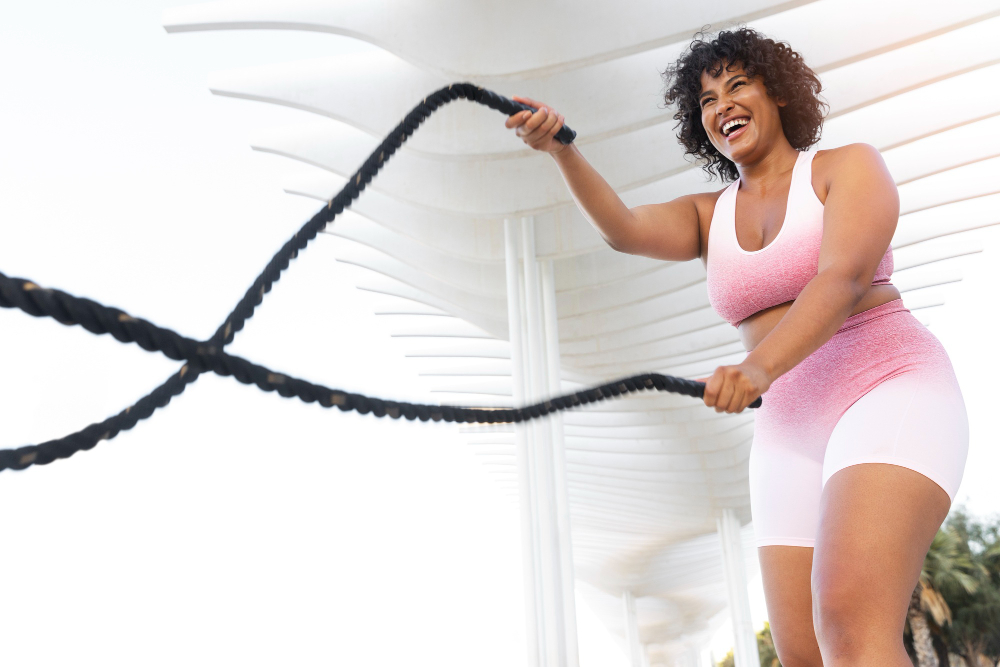
Regular exercise boosts mood, energy, and cardiovascular health in women. The American College of Sports Medicine recommends at least 150 minutes of moderate-intensity exercise weekly for women, noting benefits include reduced risks of breast cancer, improved bone density, and better management of menopause symptoms [9]. In Zimbabwe, studies show exercise improves mental health outcomes and reduces stress levels [10]. Exercise also plays a role in managing conditions like PCOS, where physical activity can improve insulin sensitivity and regulate menstrual cycles [11].
Stress and Mental Health
In Zimbabwe, women often face multiple stressors, including economic pressures, gender-based violence, and caregiving responsibilities. Addressing these stressors requires community support, mental health services, and policies promoting gender equality [12].
Chronic stress negatively impacts women’s health, disrupting hormonal balances and affecting menstrual cycles, fertility, and mental health [13]. Understanding the vital role that stress plays as a woman is of importance, so that making lifestyle changes is not a chore, but a priority for a healthier and happier woman. Simple things like taking short breaks during the day, supplementing with Vitamin C, B1 and manganese, or eating more foods such as citrus fruits, nutritional yeast, seeds, nuts and leafy green vegetables will go a long way in helping to relax and de-stress, whilst improving overall well-being [14].

Conclusion
Lifestyle factors significantly influence women’s health, with diet, exercise, and stress management playing key roles in preventing diseases and improving quality of life. Empowering women with knowledge and resources to manage these factors can lead to better health outcomes. Whilst advocating for traditional Zimbabwean plant-based foods, rich in essential nutrients, fiber, and antioxidants, to reduce NCD risk. Beyond this, the first step to improve overall health and wellness begins with taking responsibility as a woman to start somewhere, no matter how small or big with daily habits adding up.
References:
1. Mangemba, N.T., & Sebastian, M.S. (2020). Societal risk factors for overweight and obesity in women in Zimbabwe: a cross-sectional study. BMC Public Health, 20, 103.
2. Mukamana, J.I., et al. (2022). Investigating the associations between intimate partner violence and nutritional status of women in Zimbabwe. PLOS ONE, 17(7), e0272038.
3. National Osteoporosis Foundation. (2022). Calcium and Vitamin D.
4. Endocrine Society. (2019). PCOS and diet.
5. Zinyuke, R. (2025). Diet fuelling chronic disease epidemic. Herald.
6. Zimbabwe Demographic and Health Survey. (2023).
7. Ministry of Health and Child Care. (2021). Nutrition Report.
8. Mashingaidze, S., & Mukori , R. (2024). Lifestyle changes for NCD management. Fully Enrich Clinic Blog.
9. Madsen, C., Lutete, V.K., & Mbizvo, E. (2019). Exercise and mental health in women. University of Zimbabwe Research Repository, 12(2), 45-52.
10. American College of Sports Medicine. (2020). Exercise for women.
11. University of Zimbabwe. (2019). Exercise and mental health in women.
12. Journal of Clinical Endocrinology & Metabolism. (2020). Exercise in PCOS.
13. Nigerian Journal of Medicine. (2022). Stress and menstrual health.
14. Harvard Health. (2021). Mindfulness and stress reduction.