Written by Professor Stephen Mashingaidze and Rumbidzai Mukori-William for BonVie Medical Aid scheme
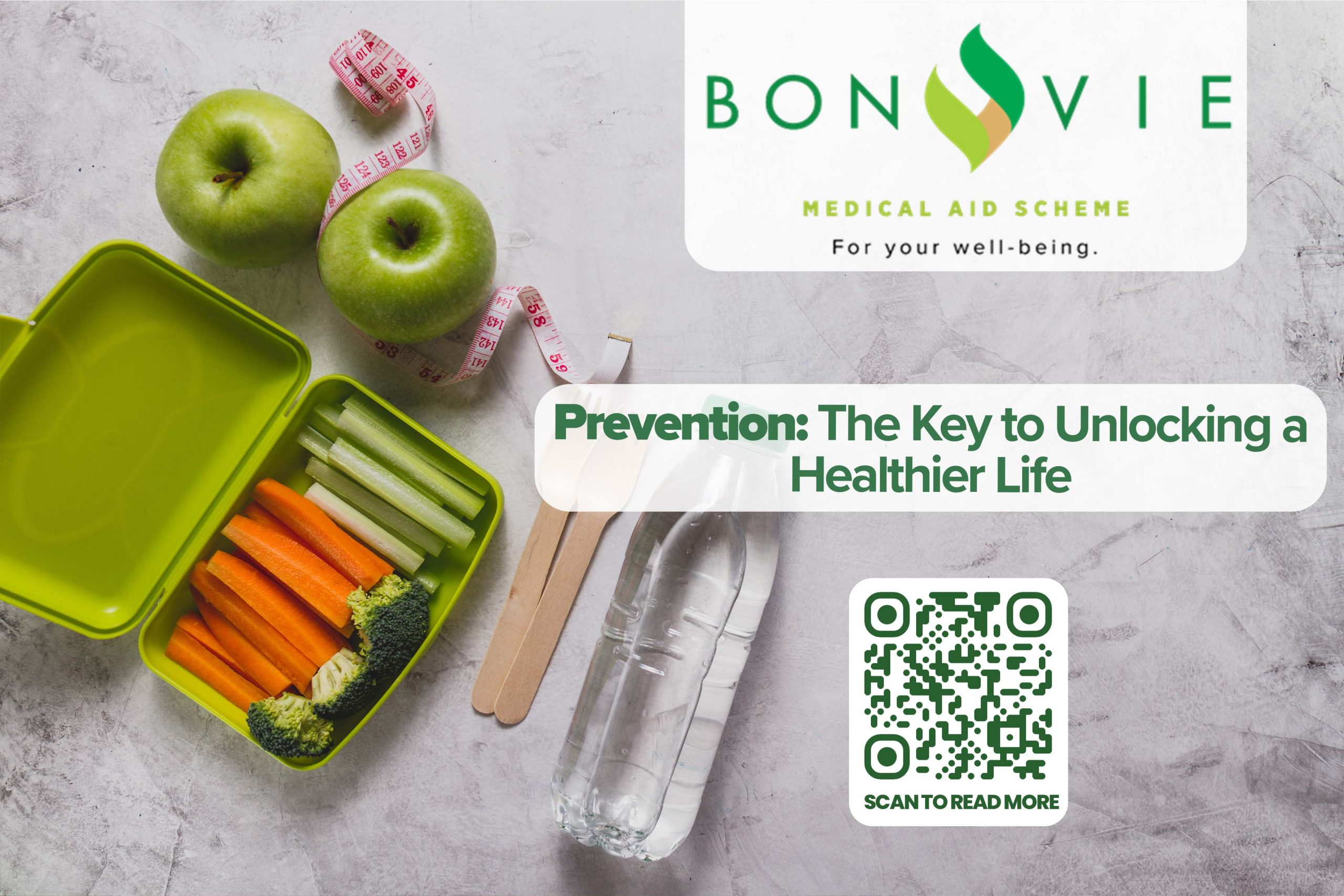
In a world where healthcare costs are rising and lifestyles are increasingly busy, the power of prevention is more crucial than ever [1]. Prevention isn’t just about avoiding illness; it’s about taking control of your health to live a fuller, more vibrant life. By mitigating risks through simple steps like routine check-ups, healthy eating, and stress management, you empower yourself to reduce the likelihood of serious health issues [2]. Understanding why prevention is gold may actually be the smartest health investment you can make for not only today, but the future.
Researchers have proven that prevention is critical in reducing disease burden [3]. They emphasize early detection, screening, and a holistic approach to health, incorporating factors like education, employment, housing, and nutrition. There are four levels of prevention: primordial, primary,
Why Preventive Care is the Smartest Health Investment You Can Ever Make?
Preventive care is a crucial aspect of healthcare that focuses on preventing illnesses and detecting health issues early [5]. In Zimbabwe, emphasizing preventive care can lead to better health outcomes and reduced healthcare costs. From routine check-ups with healthcare providers to help detect issues like hypertension, diabetes, and cancers early [6]. Early detection often means easier treatment and better outcomes.
Medical Aid Support

Your medical aid covers preventive services like check-ups and screenings. [7].Annual health check ups are important, with some people celebrating their birthday with a full check up. Using these benefits is a smart investment in your health. With numerous record screenings such as full blood count which includes lipid profile, HbA1c screening for diabetes or Pre-diabetes, liver function or detoxification, kidney health, thyroid functioning, hormonal imbalance, blood pressure and weight. Immune diseases and anemia are also assessed.
Other essential check ups that are key:
- Skeletal muscle mass is an indicator of how much muscle mass your body has, having a healthy % plays a key role in determining your metabolism, mobility and preventing diseases.
- Body fat % and body mass index provides an estimation of how much weight one has and the impact on overall health and mobility, which is of great importance as a preventative measure.
- Dental or oral care is best after 6 months, this checkup can save your heart health as it is closely linked to how healthy it is.
- Mental and emotional wellness assessment for stress levels.
- Cancers: Screenings like mammograms or Pap smears can save lives by catching issues early [8]. Cervical cancer screening begins at 21 years and most of the other types such as breast, colorectal, lung and prostate are recommended from 40 years. Frequency varies from annually to 10 years, depending on the type and risk factors of the individual.
It is important to take note that with different ages come specific tests that will need to be done more frequently as you age.
From 20-30 years, tests for blood pressure, cholesterol, BMI, and pap smear for women should be done every 2-3 years. From 30–40 years metabolic functioning, blood glucose, dental and vision every year. For those between 40–50 years, colon cancer, lipid panel, PSA (men), bone density (women) every 2 years. Above 50 years, having an ECG, colonoscopy, eye health, osteoporosis, and hearing tests are important. [9]
Conclusion
“Prevention is more than just an activity but goes deeper into lifestyle changes in eating and behavior. In nutrition science, it is a lifestyle matter.” [10] When preventative nutrition accompanies early detection, it helps a gradual approach to prevention as a lifestyle and mindset, fostering long-term well-being.
References:
1. Harvard Health. (2020). Preventing high blood pressure.
2. World Health Organization. (2020). Prevention and control of noncommunicable diseases.
3. Cambridge University. (2020). Prevention and public health research.
4.Fitzgerald, R. (Cambridge University). Cancer prevention expert.
5. American Heart Association. (2020). Preventive care guidelines.
6. Zimbabwe Medical Journal. (2018). Importance of routine check-ups.
7. Medical Aid Society of Zimbabwe. (2020). Preventive services covered.
8.Cancer Association of Zimbabwe. (2020). Cancer screenings.
9. World Hypertension Day. (2021). Understanding hypertension.
10. Fully Enrich Clinic. (2025). Research reports on prevention and lifestyle changes.
11.https://drsangitapradhan.com/blog/annual-health-checklists/