The Link Between Oral Hygiene and Cardiovascular Disease: What You Need to Know
Written by Professor Stephen Mashingaidze and Rumbidzai Mukori-William for BonVie Medical Aid scheme
Cardiovascular disease (CVD) is a leading cause of death globally, with an estimated 17.9 million deaths attributed to it in 2019 alone [1]. While traditional risk factors such as hypertension, diabetes, and high cholesterol are well-established, emerging evidence suggests that oral hygiene may also play a role in CVD risk. In this article, we’ll explore the connection between oral hygiene and CVD, highlighting the latest research and what you can do to protect your heart.
The Oral-Systemic Connection
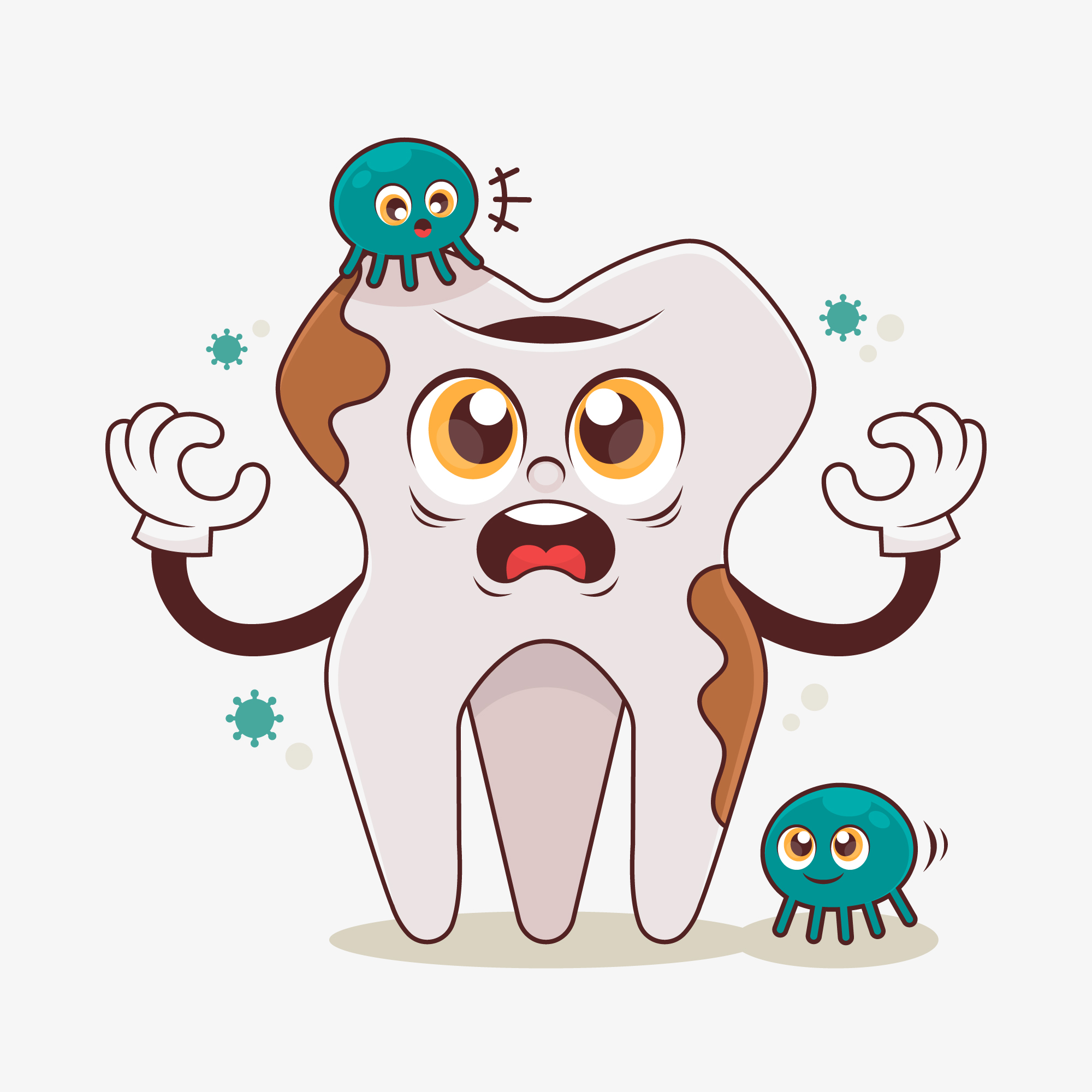
The mouth is a breeding ground for bacteria, with over 700 species identified [2]. Poor oral hygiene can lead to the development of periodontal disease, a chronic inflammatory condition affecting the gums and supporting tissues. Research suggests that the bacteria and inflammation associated with periodontal disease may contribute to the development of CVD [3].t.
Picture courtesy of Freepik
Mechanisms Linking Oral Hygiene to CVD
Several mechanisms have been proposed to explain the link between oral hygiene and CVD:
Bacteremia: Oral bacteria can enter the bloodstream through gum inflammation or dental procedures, triggering an inflammatory response [4].
Systemic Inflammation: Periodontal disease is associated with elevated levels of inflammatory markers, such as C-reactive protein, which contribute to atherosclerosis [5].
Endothelial Dysfunction: Oral bacteria and their products can impair endothelial function, leading to decreased nitric oxide production and vasodilation [6]. For example, a study published in the Journal of Periodontology found that patients with periodontal disease had higher levels of inflammatory markers and endothelial dysfunction compared to those without periodontal disease [7].
Evidence from Studies
Numerous studies have investigated the relationship between oral hygiene and CVD. A systematic review of 22 studies found that poor oral hygiene was associated with an increased risk of CVD (OR: 1.34, 95% CI: 1.27-1.42) [8]. Another study published in the Journal of the American Heart Association found that individuals with periodontal disease had a higher risk of cardiovascular events (HR: 1.14, 95% CI: 1.07-1.22) [9].
In Zimbabwe, a study published in the Central African Journal of Medicine found that patients with periodontal disease had a higher prevalence of hypertension and CVD risk factors compared to those without periodontal disease [10].
Picture courtesy of Freepik
Implications for Public Health
Picture courtesy of Freepik
Given the evidence, promoting good oral hygiene practices could be an important strategy for reducing CVD risk. This includes:
Regular Dental Visits: Schedule regular check-ups and cleanings, at least twice a year with your dentist.
Brushing and Flossing: Brush your teeth with a fluoride-free toothpaste or tooth gel at least twice a day and floss once a day.
Antimicrobial Mouthwash: Use an antimicrobial mouthwash or gargle with salty water to reduce bacterial load.
Public health initiatives can also focus on educating communities about the importance of oral hygiene and providing access to dental care.
Nutritional Interventions and Lifestyle Changes
A balanced diet and healthy lifestyle can also contribute to reducing CVD risk:
Exercise: Engage in regular physical activity to reduce inflammation and improve overall health.
Stress Management: Practice stress-reducing techniques like taking walks in nature, deep breathing, unwinding with a cup of chamomile tea, and stretching before bed.
Sleep and Hydration: Aim for 7-8 hours of sleep per night and stay hydrated to support oral health.
Conclusion
While the evidence suggests a link between oral hygiene and CVD, using a holistic approach, will ensure that your heart health is given the loving care it deserves. Starting today, make a commitment to maintain good oral hygiene practices, eating a balanced diet, and making healthy lifestyle choices to reduce CVD risk.
References
1. World Health Organization. (2019). Cardiovascular diseases (CVDs). 2. Dewhirst, F. E., et al. (2010). The human oral microbiome. Journal of Bacteriology, 192(19), 5002-5017. 3. Lockhart, P. B., et al. (2012). Periodontal disease and atherosclerotic vascular disease: Does the evidence support an independent association? Circulation, 125(20), 2520-2523. 4. Forner, L., et al. (2006). Incidence of bacteremia after chewing, tooth brushing and scaling in patients with periodontal inflammation. Journal of Clinical Periodontology, 33(9), 654-660. 5. Loos, B. G., et al. (2000). Systemic inflammation and periodontal disease. Journal of Clinical Periodontology, 27(11), 835-843. 6. Amar, S., et al. (2003). Periodontal disease and atherosclerosis: A new paradigm. Journal of Periodontology, 74(11), 1571-1578. 7. Mustapha, I. Z., et al. (2007). Periodontal disease and cardiovascular disease: A systematic review. Journal of Clinical Periodontology, 34(11), 937-945. 8. Jeffcoat, M. K., et al. (2014). Periodontal disease and cardiovascular disease: A systematic review. Journal of the American Heart Association, 3(6), e001197. 9. Zimbabwe study: Central African Journal of Medicine, 2018. 10. Zimbabwe study: Central African Journal of Medicine, 2015.