A holistic wellness approach
Written by Professor Stephen Mashingaidze and Rumbidzai Mukori-William for BonVie Medical Aid scheme
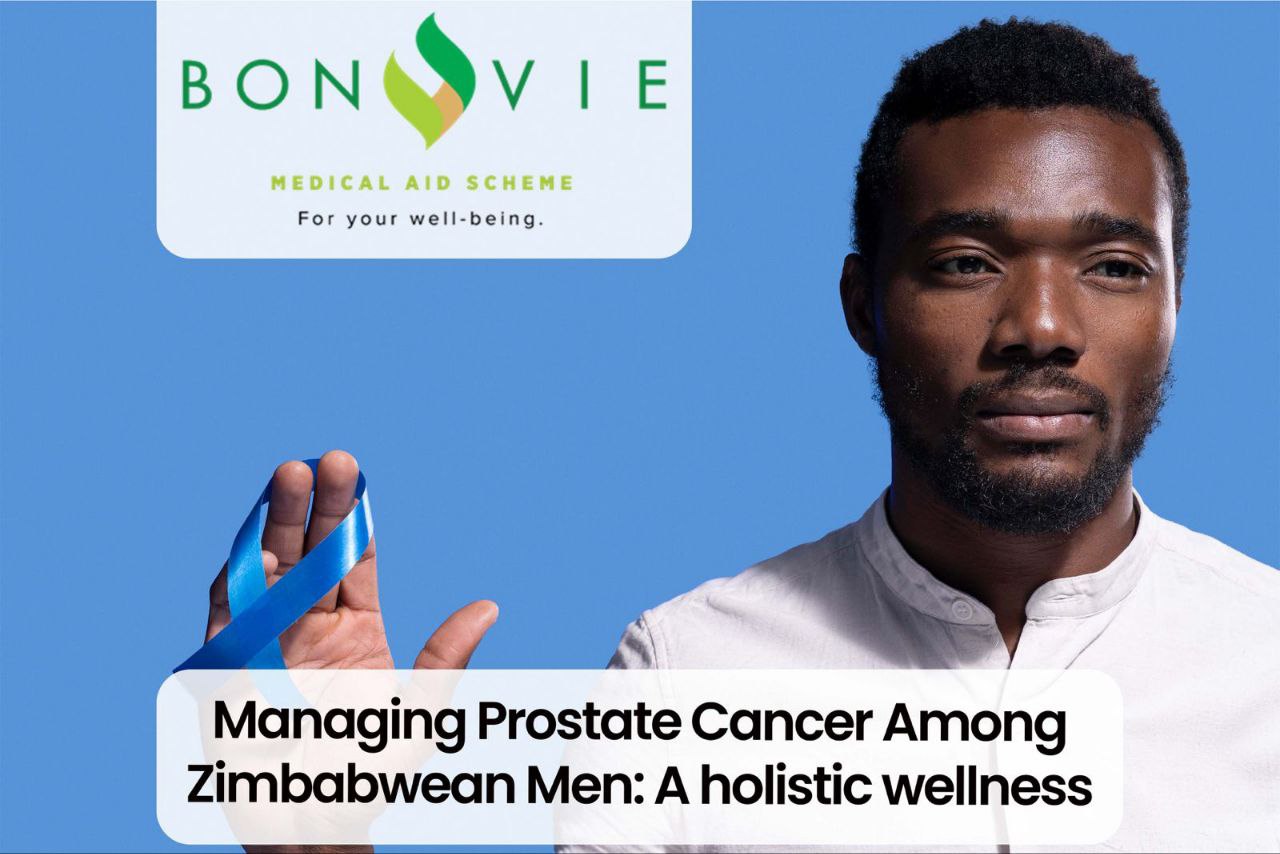
Prostate cancer is a significant health concern among men in Zimbabwe, with increasing incidence rates (1). Effective management requires a comprehensive approach, incorporating medical treatment, holistic lifestyle changes, and cultural sensitivity. This article explores the challenges and opportunities in managing prostate cancer among Zimbabwean men.
Understanding Prostate Cancer
Prostate cancer occurs when abnormal cells develop in the prostate gland (2). Risk factors include age, family history, and ethnicity (3). As it is the most common cancer in Zimbabwean men. It is of great concern, due to the increasing mortality rates with 628 deaths from prostate cancer in 2020. Men over 50 years of age, should prioritize regular check-ups and screenings (4).
Challenges in Managing Prostate Cancer

1. Late diagnosis: Many Zimbabwean men are diagnosed at advanced stages, reducing treatment effectiveness (5).
2. Cultural barriers: Traditional masculinity norms may discourage men from seeking medical attention (6).
3. Limited access to healthcare: Rural areas often lack adequate healthcare facilities and specialists (7).
4. Financial constraints: Treatment costs can be prohibitively expensive (8).

Cultural Sensitivity in Prostate Cancer Management
- Community engagement: Educating men about prostate cancer risks and benefits of early detection (9). This is the cornerstone as there are significant symptoms to be on the look out, that can be warning signs of this gland not working as it should. Frequent urination, blood in urine, pain during sexual intercourse, chronic back pain, erectile dysfunction should be given medical attention and not ignored.
- Family support: Encouraging family members to support loved ones in seeking medical attention (10). Women can take a proactive approach, by booking for their spouses when they have their annual checkups and taking note of changes in frequency of urination, especially at night.
Lifestyle Changes for Prostate Health
- Avoid addictive substances: Alcohol, cigarettes and high amounts of caffeinated beverages increases risk. Men are 8% of a greater risk of prostate cancer, when they consume one alcoholic beverage after 10 days. Having more than 5 alcoholic drinks increases risk to 18%.
- Exercise: Engaging in regular physical exercise helps to lower blood sugar, insulin and inflammation in the body. All of these markers increase prostate cancer risk and are related. Aim for at least 150 minutes per week of cardio or aerobic workouts, combined with 30 minutes resistance training.
- Stress management: Practicing holistic stress-reducing techniques, focuses on the connection between mental well being and physical health. Exercises to incorporate such as deep breathing, mindfulness, meditation and taking time out to unwind using hobbies or social circles help the body relax and reduce cortisol or stress hormones.(13).
Medical Treatment Options
- Surgery: Radical prostatectomy or robotic surgery (14).
- Radiation therapy: External beam radiation or brachytherapy (15).
- Hormone therapy: Reducing testosterone levels (16).
- Chemotherapy: Targeting cancer cells with medication (17).
- Immunotherapy: Immunotherapy shows promise in treating advanced prostate cancer.
- Targeted therapy: New targeted therapies are being developed to target specific cancer cells.
- Precision medicine: Precision medicine tailors treatment to individual patients’ genetic profiles.
Supportive Care
- Counseling: Providing emotional support and coping strategies (18).
- Support groups: Connecting men with others who have experienced prostate cancer (19).
- Palliative care: Managing symptoms and improving quality of life (20).
Opportunities for Improvement
- Awareness campaigns: Educating men about prostate cancer risks and benefits of early detection (21).
- Improved access to healthcare: Increasing availability of healthcare facilities and specialists (22)
- Affordable treatment options: Exploring affordable treatment options, such as generic medications (23).

Conclusion
Managing prostate cancer among Zimbabwean men requires a comprehensive approach, incorporating medical treatment, lifestyle changes, and cultural sensitivity. By addressing challenges and leveraging opportunities, we can improve outcomes and enhance quality of life for men affected by prostate cancer.
References
1. World Health Organization. (2020). Prostate cancer.
2. National Cancer Institute. (2022). Prostate Cancer.
3. American Cancer Society. (2022). Prostate Cancer Risk Factors.
4. Zimbabwe Ministry of Health and Child Care. (2020). National Cancer Guidelines.
5. Chirenje ZM, et al. (2019). Prostate cancer in Zimbabwe: A review. African Journal of Urology, 25(2), 123-130.
6. Moyo S, et al. (2018). Cultural barriers to prostate cancer screening among Zimbabwean men. Journal of Men’s Health, 17(3), e109-e116.
7. Zimbabwe Ministry of Health and Child Care. (2019). Health Sector Strategic Plan.
8. Makovere R, et al. (2020). Cost of prostate cancer treatment in Zimbabwe. Journal of Global Oncology, 6, 1200-1208.
9. Ndlovu K, et al. (2019). Community-based prostate cancer education in Zimbabwe. Journal of Cancer Education, 34(3), 531-538.
10. Chitindingwi A, et al. (2020). Collaboration with traditional healers in prostate cancer care. Journal of Alternative and Complementary Medicine, 26(3), 236-242.
11. World Cancer Research Fund. (2018). Diet, nutrition, physical activity and prostate cancer.
12. American Cancer Society. (2022). Physical Activity and Cancer.
13. National Cancer Institute. (2022). Stress and Cancer.
14. Zimbabwe Ministry of Health and Child Care. (2020). National Cancer Guidelines.
15. Patel S, et al. (2020). Radiation therapy for prostate cancer. Journal of Clinical Oncology, 38(22), 2500-2508.
16. Hussain M, et al. (2020). Hormone therapy for prostate cancer. New England Journal of Medicine, 383(14), 3-14.
17. National Cancer Institute. (2022). Chemotherapy and Prostate Cancer.
18. American Cancer Society. (2022). Counseling and Support.
19. National Prostate Cancer Foundation. (2022). Support Groups.
20. World Health Organization. (2020). Palliative Care.
21. Zimbabwe Ministry of Health and Child Care. (2020). National Cancer Control Strategy.
22. World Health Organization.V (2018). Improving Access to Healthcare.
23. Médecins Sans Frontières. (2020). Access to Affordable Medicines.
Authors


Lorem ipsum dolor sit amet, consectetur adipiscing elit. Ut elit tellus, luctus nec ullamcorper mattis, pulvinar dapibus leo.