Premature Birth in Zimbabwe: A Silent Threat to Newborn Health
Written by Professor Stephen Mashingaidze and Rumbidzai Mukori-William for BonVie Medical Aid scheme
Every mothers desire is to have a healthy baby born after carrying this precious gift in her womb for so many months. There is a personal connection that is not understood, but a strong bond that makes the mother feel the pain and joys of her baby during and even after giving birth. Having a premature birth is one which not only affects the health of the baby, but has a strong mental impact on the mother too. It is a significant public health concern in Zimbabwe, claiming the lives of thousands of babies every year (1). According to the World Health Organization (WHO), Zimbabwe has a preterm birth rate of 11.1%, one of the highest in the world.
What is Premature Birth?
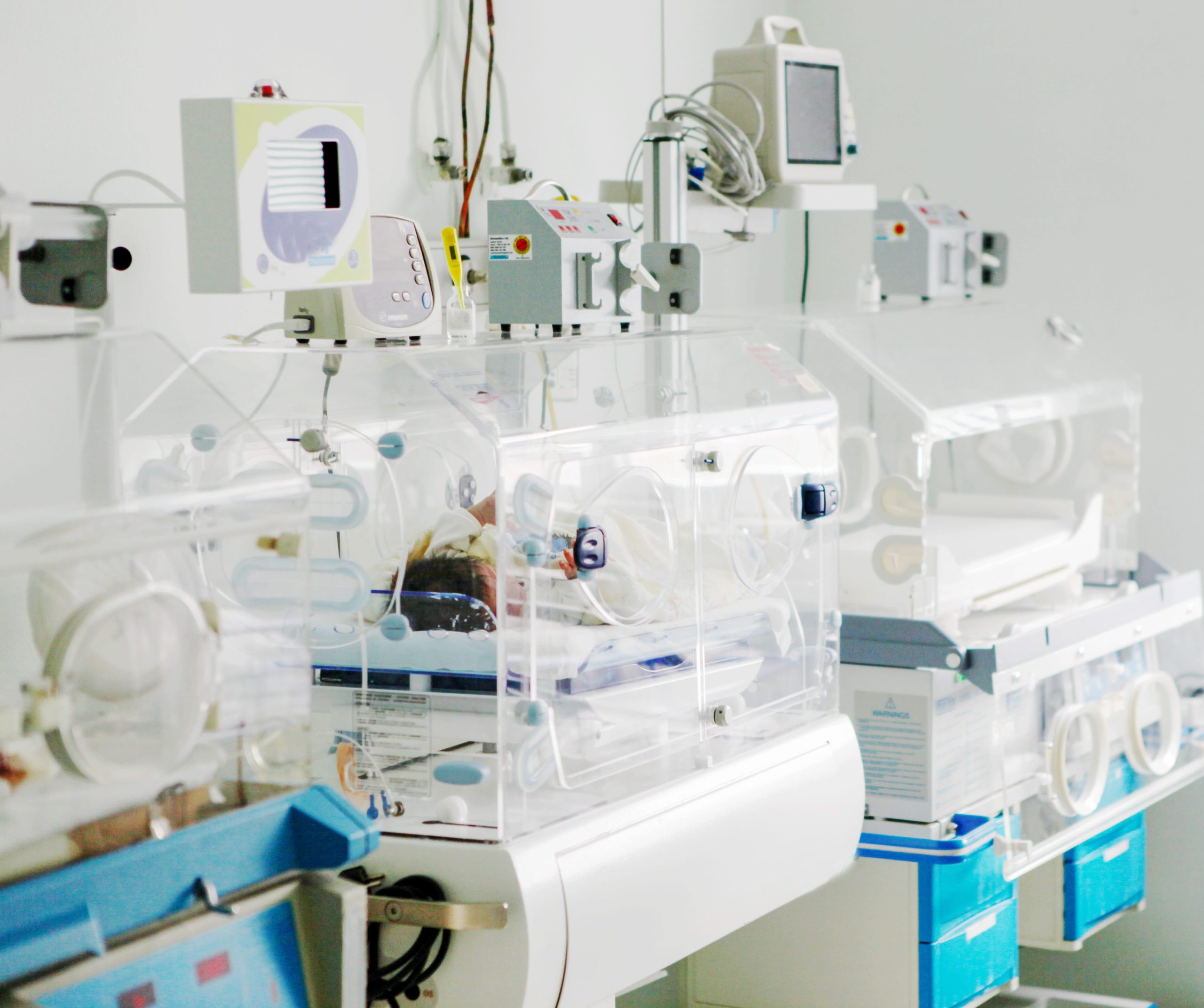
Premature birth, also known as preterm birth, occurs when a baby is born before 37 weeks of gestation (2). This can lead to a range of health complications, including respiratory distress, infections, and even death (3).
Image Courtesy of Freepik
Causes of Premature Birth in Zimbabwe
Lack of prenatal care: Many women in Zimbabwe do not receive adequate prenatal care, increasing the risk of preterm birth (4).
Malnutrition: Poor nutrition during pregnancy can lead to preterm labor (5).
Infections: Infections such as HIV and malaria can increase the risk of preterm birth (6).
Multiple pregnancies: Women carrying twins or other multiples are at higher risk of preterm birth (2).
Previous history of preterm birth: Women who have previously had a preterm birth are at higher risk of having another (3).
Consequences of Premature Birth
Neonatal mortality: Preterm birth is the leading cause of neonatal mortality in Zimbabwe (3).
Infections: Preterm babies are more susceptible to infections(2).
Long-term health issues: Preterm birth can lead to long-term health issues, including cerebral palsy and developmental delays.
Prevention and Management
Attend prenatal care: Regular check-ups can help identify potential complications early (4).
Maintain a healthy diet: A balanced diet supports fetal development (5).
Avoid smoking: Smoking is a significant risk factor for preterm birth (1).
Manage chronic conditions: Conditions like hypertension and diabetes can increase the risk of preterm birth (4).
Expert Insights
According to researchers at the University of Zimbabwe, “Preterm birth is a major public health problem in Zimbabwe, and addressing it requires a multifaceted approach that includes improving access to prenatal care, promoting healthy lifestyles, and addressing socioeconomic inequalities” (7). A study published in the Cambridge University Journal highlights the importance of addressing child abuse and neglect as a risk factor for premature death, stating that “experiencing abuse or neglect as a child can have long-lasting effects on physical and mental health, increasing the risk of premature death” (8).
Image Courtesy of Freepik
Some key nutrients that pregnant women should focus on include:
– Folic acid: prevents birth defects of the brain and spine (3). Beetroot, pawpaw, eggs, leafy green vegetables, bananas and avocados are good sources. – Iron: essential for healthy red blood cells (4). Meat, spinach, leafy green vegetables and beans are good sources. – Calcium: crucial for fetal bone development (5). Oranges, yogurt, sesame seeds are good and affordable sources to add, guided by Nutritionist on the quantities. – Protein: necessary for fetal growth and development (6). Meat, beans, lentils, chicken, low mercury fish from reputable sources, eggs, nuts best cooked to avoid aflatoxins exposure.
What Can Be Done?
Increase access to prenatal care: Community health workers can provide education and support (4).
Improve nutrition: Nutrition programs can support pregnant women and new mothers (5).
Address socioeconomic factors: Poverty and lack of education increase the risk of preterm birth (1).
Support mental health: Mental health support can reduce stress and anxiety (1).
References
1. WHO (2018). Preterm Birth. 2. ACOG (2018). Preterm Birth. American College of Obstetricians and Gynecologists. 3. March of Dimes (2020). Premature Birth. 4. MOHCC (2016). Zimbabwe National Reproductive Health Policy. 5. ZimStat (2015). Zimbabwe Demographic and Health Survey. 6. UNAIDS (2019). HIV and AIDS in Zimbabwe. 7. University of Zimbabwe (2020). Preterm birth in Zimbabwe: a review of the literature. 8. Cambridge University (2019). Child abuse and neglect linked to premature death in adulthood.