Written by Professor Stephen Mashingaidze and Rumbidzai Mukori-William for BonVie Medical Aid scheme
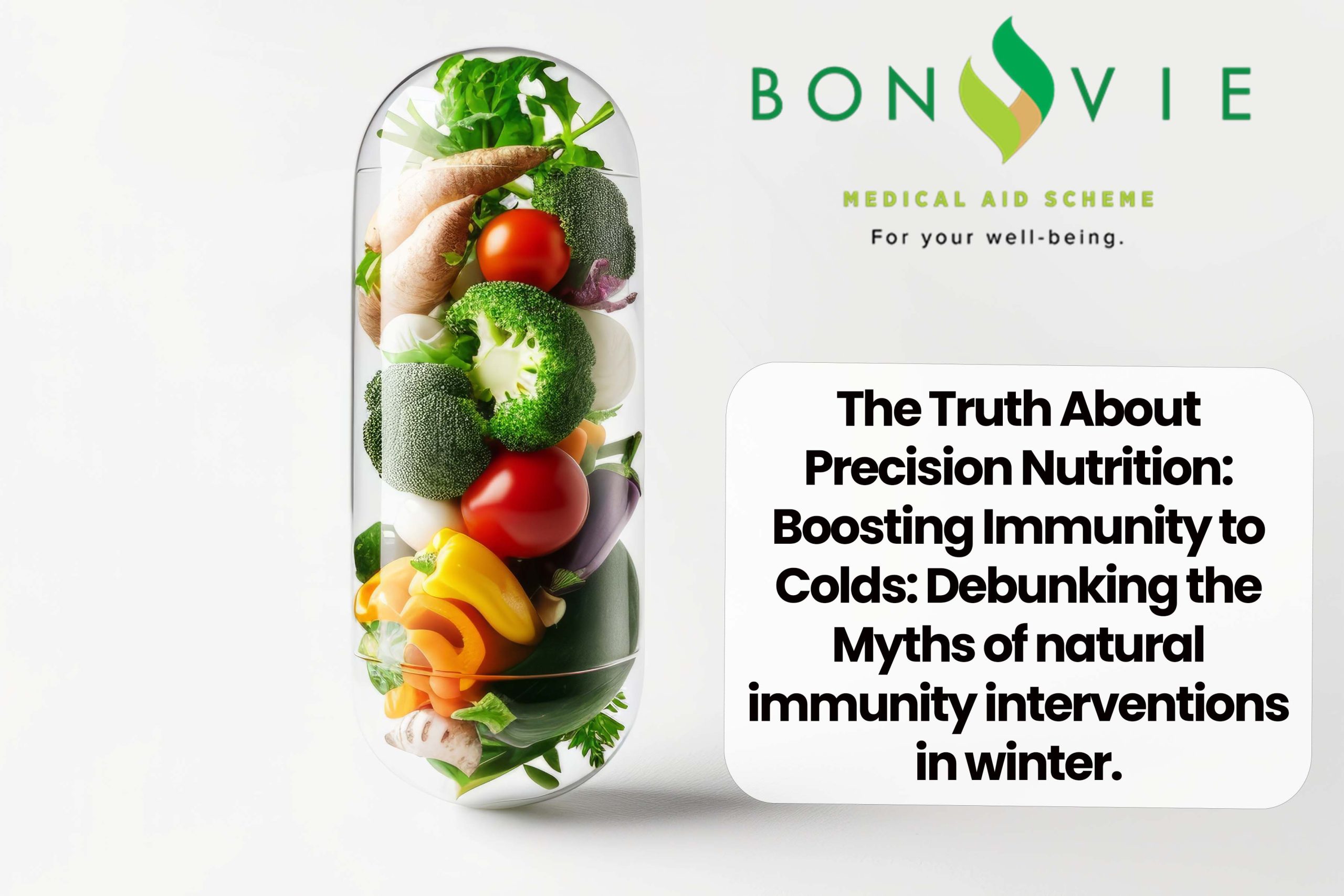
Precision nutrition has revolutionized the way we approach health and wellness. By tailoring dietary recommendations to an individual’s unique genetic profile, nutritional needs, and health status, precision nutrition offers a promising approach to preventing and managing various health conditions, including the common cold.
Precision Nutrition and Cold Prevention
Research suggests that precision nutrition can help prevent colds by identifying individual nutritional deficiencies and tailoring dietary recommendations to support immune function. For example:
- Vitamin D supplementation can reduce the risk of respiratory infections, including the common cold (1).
- Zinc plays a crucial role in immune function, and deficiencies have been linked to increased susceptibility to infections (2).
- Polyphenol-rich foods, such as fruits and vegetables, have been shown to have immunomodulatory effects and may help reduce the risk of infections (3).

Personalized Nutrition Plans for Immunity
By analyzing an individual’s genetic profile, dietary habits, and health status, precision nutrition can provide personalized recommendations to support immune function. For example:
- Genetic testing: Identifying genetic variants associated with impaired immune function or increased susceptibility to infections.
- Nutrient analysis: Assessing nutrient deficiencies or inadequacies that may impact immune function.
- Dietary planning: Developing personalized dietary plans that incorporate immune-boosting nutrients and foods.
It is also key to note that natural immunity demands proper eating, lifestyle changes and detoxification. Traditional nutrition seems to provide this but in practice as it is one which must be approached using a holistic approach, due to the high levels of complexity in the immune system. . Questioning natural immunity is meant to help in the active and more proactive approach to our eating habits, with many people turning to natural immunity interventions to boost their defenses against infections. However, not all claims are backed by science, which is essential if you want to ensure that you are able to give your immunity the best remedies for the prevention of flus or colds that are common these days. Today we will separate fact from fiction., so that you can make a well informed decision regarding the remedies to take this winter.
The following 4 myths will be examined:
Garlic can cure colds and flu
Garlic is a favourite in most immunity boosting home remedies, due to the high allicin levels from chopped garlic, yet despite this it is key to note that whole garlic has antimicrobial properties, but there is limited evidence that it can cure colds and flu (4).
Echinacea prevents illness
A natural anti-inflammatory herb, used in alternative medicine, it is widely used in the United States and has taken the immunity world by storm. There are inconsistent findings regarding immune-boosting effects (5).
Vitamin C supplements prevent colds
A well known water soluble vitamin, which has to be consumed daily for best results as the body is not able to produce it on its own. It supports epithelial functioning against pathogens. Evidence pertaining to prevention is limited for reducing cold severity (6).
Probiotics are a cure-all for immune function
A healthy gut lining is essential for the prevention of bacteria or toxins entering into the bloodstream, a term commonly known as leaky gut syndrome. Hence the increased interest in relation to the role played in the prevention of diseases with a key emphasis on immunity. Gut health is supported, but effects vary depending on strain and individual

Conclusion
While natural immunity interventions may offer benefits, it’s essential to separate fact from fiction. Focus on evidence-based strategies to support immune function. By focusing on evidence-based interventions, individuals can support their immune function and stay healthy during winter. Hence Precision nutrition offers a promising approach to preventing and managing colds by tailoring dietary recommendations to an individual’s unique needs. By understanding the role of nutrition in immunity and leveraging precision nutrition techniques, individuals can take a proactive approach to supporting their immune system and reducing the risk of infections. This article highlights the potential benefits of precision nutrition in supporting immune function and preventing colds. By incorporating personalized dietary recommendations and nutrient analysis, individuals can take a proactive approach to boosting their immunity and reducing the risk of infections.
References:
- Martens et al. (2020). Vitamin D and respiratory infections: A systematic review and meta-analysis. Nutrients, 12(12), 3441.
- Prasad et al. (2019). Zinc and immune function: A review. Nutrients, 11(11), 2564.
- Williamson et al. (2018). Immunomodulatory effects of polyphenols: A review. Nutrients, 10(10), 1534.
- Larijani et al. (2019). Garlic’s antimicrobial effects. Journal of Nutrition, 149(12), 2241-2248.
- Barrett et al. (2010). Echinacea for upper respiratory tract infections. Cochrane Database of Systematic Reviews, 2010(1), CD000530.
- Hemilä et al. (2013). Vitamin C for preventing and treating the common cold. Cochrane Database of Systematic Reviews, 2013(1), CD000980.
- Villena et al. (2019). Probiotics and immune function. Nutrients, 11(10), 2311.
Authors