Evidence-Based Strategies for Meal Prep, Smart Snacking, and Stress Management
Written by Professor Stephen Mashingaidze and Rumbidzai Mukori-William for BonVie Medical Aid scheme
For people navigating the demands of work, family, and commuting, the evidence is clear: you don’t need hours at the gym or restrictive diets to see measurable benefits. Research pioneered at Harvard Medical School and Harvard T.H. Chan School of Public Health, where leading clinicians and scientists have demonstrated that small, consistent daily habits are among the most powerful levers for preventing chronic disease and extending healthspan.[1] Short, practical interventions in meal preparation, snacking patterns, and stress management can lower blood pressure, improve metabolic health, and reduce 10-year cardiovascular risk when applied consistently. [2]
1. Quick Meal Preparation: 1 Hour = 5 Nutritious Lunches
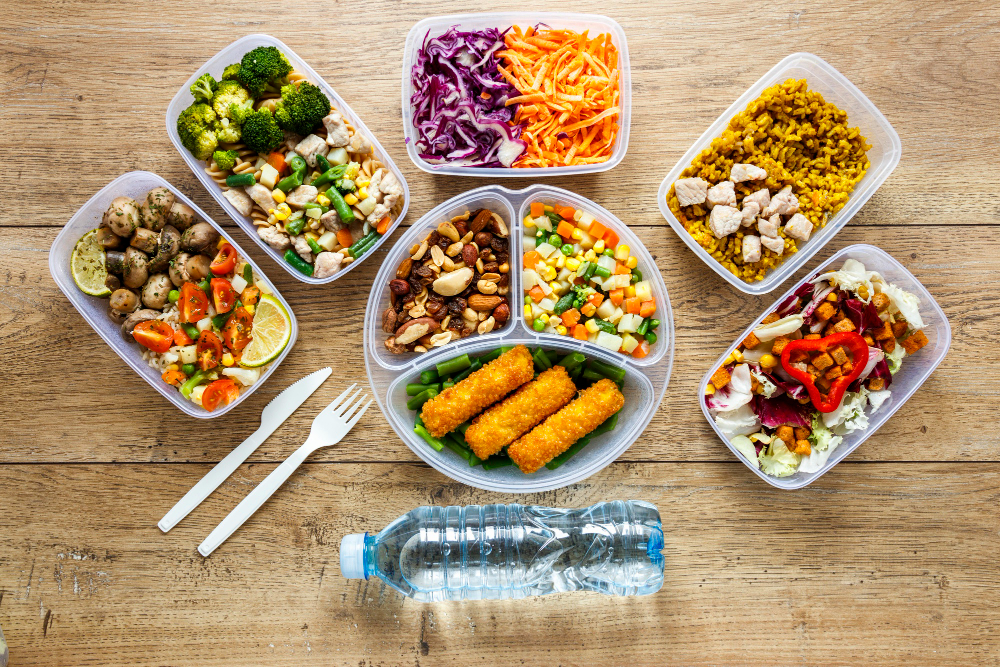
Meal preparation is associated with higher diet quality, greater fruit and vegetable intake, and lower risk of obesity. The goal is to reduce decision fatigue and the reliance on ultra-processed convenience foods.[2]
The 1-Hour Sunday Method
- Protein – 30 minutes: Grill 1kg skinless chicken breast or bake 2 tins of chickpeas/beans.[3]
- Vegetables – 25 minutes: Roast 2 trays of mixed vegetables at 200°C. Roasting preserves fiber and phytonutrients better than boiling. Use sweet potato, carrots, broccoli, cabbage, and butternut. [4][5]
- Complex Carbohydrate – 20 min: Cook 3 cups brown rice, samp, or wholegrain pasta.[6]
Assemble: Divide into 5 airtight containers. Vary flavor with sauces like peri-peri, peanut sauce, or plain yogurt + lemon to prevent monotony.
2. Snack Swaps That Support Blood Sugar and Satiety
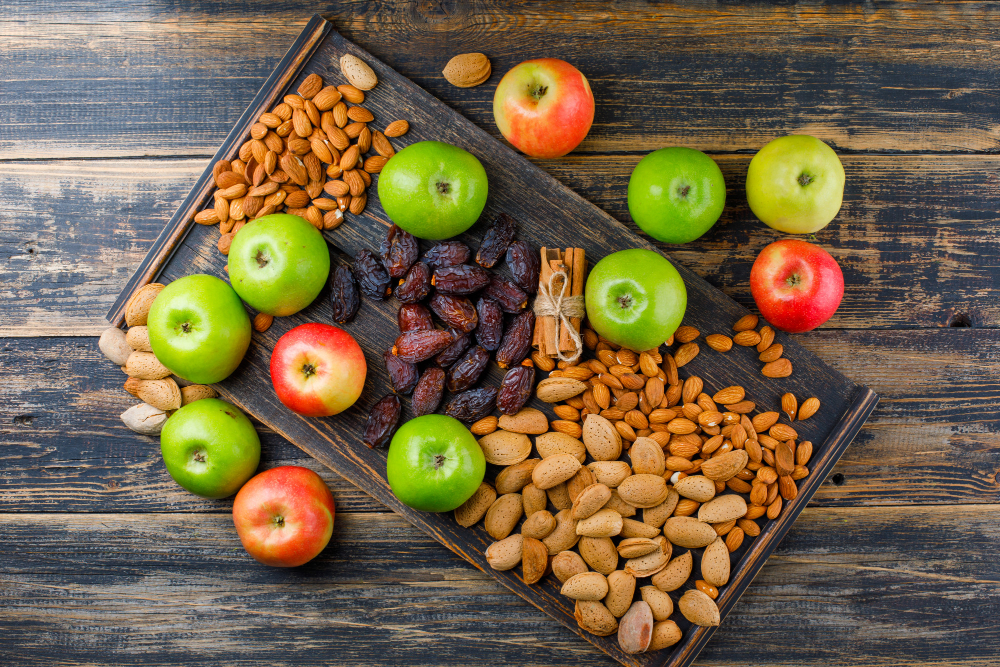
Frequent snacking on refined carbs and sugary drinks contributes to weight gain and insulin resistance. Choosing snacks with protein, fiber, and healthy fats stabilizes glucose and reduces overeating at meals.[7]
- Instead of crisps try unsalted peanuts/almonds. Nuts reduce LDL cholesterol and improve satiety.
- Chocolate bar for 70% dark chocolate. 70% has flavonoids linked to vascular health.
- Soda for sparkling water + lemon. This eliminates added sugar, a key driver of obesity.
- Fried samoosas for 2 boiled eggs + baby carrots. Providing 12g protein, low in sodium and trans fats. [8]
3. Stress-Reducing Strategies for 5 Minutes or Less

Chronic stress elevates cortisol, contributing to hypertension, poor sleep, and impaired immune function. Short, regular stress-reduction practices are clinically effective.
- 4-7-8 Breathing Reset
Inhale 4 sec, hold 7 sec, exhale 8 sec. Repeat 3-4 cycles. This activates the parasympathetic nervous system and reduces heart rate within 2 minutes. Use before meetings or during commute.[9] - 10-Minute Walk Rule
A 10-min brisk walk outdoors reduces perceived stress and improves mood. Exposure to daylight also supports circadian rhythm and sleep quality, critical in winter months.[10]o - 30-Minute Phone Curfew
Avoid screens 30 min before bed. Blue light suppresses melatonin, delaying sleep onset by up to 90 min. Adults need 7-9 hours sleep for optimal immune and metabolic health.[11]
4. The 80/20 Rule: Consistency Beats Perfection
Behavioral research shows that adherence, not perfection, drives health outcomes. Aim for 80% of meals home-prepared, 80% of snacks aligned with swaps, and 5 days/week of a 5-min stress practice. This level of consistency is sufficient to improve HbA1c, blood pressure, and BMI over 12 weeks.[12]
Conclusion
Missed days are expected, but the key is to resume the next meal or day without guilt. Master one habit before adding the next. This week try to cook 3 portions on Sunday or Wednesday evening. Pack 2 healthy snacks daily and keep them at your desk and practice 4-7-8 breathing for 2 minutes before bed. Small changes compound. Over 6 months, these habits can reduce 10-year cardiovascular risk by 10-15%.[13]
References:
1. Estruch R, et al. Primary prevention of cardiovascular disease with a Mediterranean diet. _N Engl J Med_. 2018;378(25):e34.
2. Ducrot P, et al. Meal planning is associated with food variety, diet quality and body weight status in a large sample of French adults. _Int J Behav Nutr Phys Act_. 2017;14:12.
3. Satija A, et al. Healthful and unhealthful plant-based diets and the risk of coronary heart disease. _J Am Coll Cardiol_. 2017;70(4):411-422.
4. Miglio C, et al. Effects of different cooking methods on nutritional and physicochemical characteristics of selected vegetables. _J Agric Food Chem_. 2008;56(1):139-147.
5. World Health Organization. _Healthy diet_. WHO Fact Sheet. 2020.
6. Aune D, et al. Whole grain consumption and risk of cardiovascular disease, cancer, and all cause mortality. _BMJ_. 2016;353:i2716.
7. Malik VS, et al. Sugar-sweetened beverages and risk of metabolic syndrome and type 2 diabetes. _Diabetes Care_. 2010;33(11):2477-2483.
8. Ros E. Health benefits of nut consumption. _Nutrients_. 2010;2(7):652-682.
9. Russo MA, et al. The physiological effects of slow breathing. _Front Psychol_. 2017;8:1195.
10. Berman MG, et al. Interacting with nature improves cognition and affect for individuals with depression. _J Affect Disord_. 2012;140(3):300-305.
11. Lewy AJ, et al. Light suppresses melatonin secretion in humans. _Science_. 1980;210(4475):1267-1269.
12. Gardner B, et al. Making health habitual. _Health Psychol Rev_. 2012;6(2):137-158.
13. Wood W, Neal DT. A new look at habits and the habit-goal interface. _Psychol Rev_. 2007;114(4):843-863.