Written by Rumbidzai Mukori-William for BonVie Medical Aid scheme
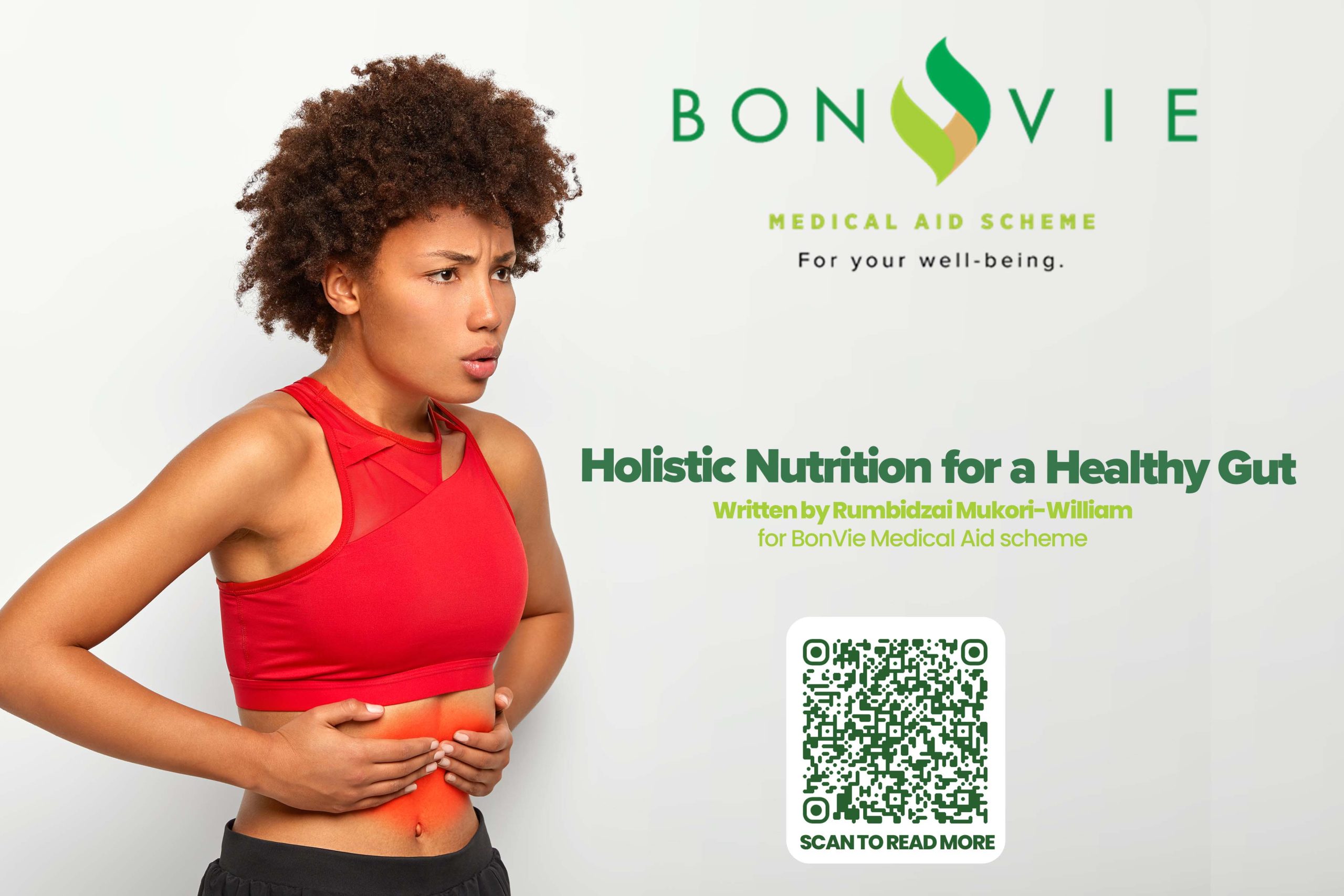
A healthy gut is crucial for overall well-being, influencing digestion, immunity, and even mood. The gut microbiome, comprising trillions of bacteria, plays a vital role in our health [1].
Gut Health Facts
- Nearly half of adults worldwide experience GI problems severe enough to require medical attention (2020 global study) [2].
- 67.7% of Zimbabweans are affected by gastritis or stomach ulcers caused by Helicobacter pylori, increasing the risk of esophageal cancer [3].
- The gut microbiome contains 22,000 functional genes, with the large intestine hosting 40 trillion bacteria [4].
The Impact of Fast Food on Gut Health
Processed foods damage the microbiome, changing good bacteria into unhealthy ones [5]. The mucous lining provides protection over the epithelial cells of gut lining and these foods damage the actual epithelial cells and immune system cells. Leading to a leaky gut that is no longer tightly bound, but has holes which allow bacteria and other organisms to pass through. High sugar and high-fat foods cause healthy bacteria to die off, leading to a leaky gut and inflammation [6].

Probiotics & Prebiotics
Probiotics
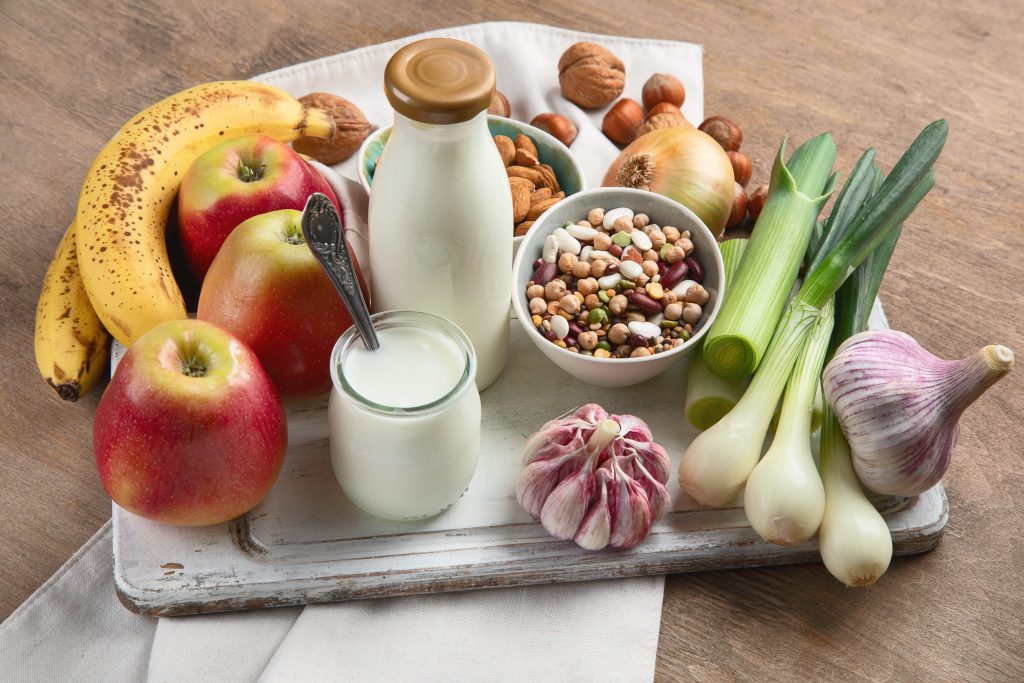
These are live microorganisms that provide beneficial health to the gut. These function by breaking down or digesting food, lowering high blood pressure, supporting overall gut health, boosting the immune system against various invaders, such as bad bacteria, yeast and fungi overgrowths. [7]. Prevention and treatment of diarrhea, by reducing severity and promoting mental health by improving the production and regulation of hormones, such as insulin and leptin. Examples include fermented milk, yogurt, sour milk, kimchi and fermented cabbage.
It is important to take note that probiotics are best taken when taking antibiotics, experiencing gut health problems, stressed or traveling, boost immunity and treat health conditions, such as irritable bowel syndrome, diarrhea, colitis, acne, and eczema.
Best to be taken within 30 minutes before or simultaneously with a meal or drink that contained some fat.
Prebiotics
Prebiotics on the other hand feed the gut bacteria by enhancing mineral absorption, providing potential anti-cancer properties, anti-inflammatory, and other immune-assisting effects. [8].These aid normal blood sugar levels, weight loss, by promoting a feeling of fullness, boosting bone health. According to a study published in The Journal of Nutrition, which proves that prebiotics enhance the absorption of minerals in the body, including magnesium and possibly iron and calcium. Examples include garlic, onion, leafy green vegetables, banana and chia seeds. [9].

Holistic Gut Health Approach
Holistic gut health is a comprehensive approach to wellness that views the digestive system as the foundation of overall physical and mental health. Going beyond treating symptoms such as bloating or constipation, focusing on balancing the microbiome (trillions of bacteria) through a combination of whole foods, lifestyle choices, stress management, and emotional well-being. By addressing long-term wellness through treating root causes from diet, lifestyle and stress reduction. As opposed to traditional medicine that prioritizes immediate symptom management (like acid reflux or bloating) using medication and targeted testing. It is important to take note that holistic approaches emphasize prevention and systemic balance, while traditional methods are essential for acute care, infections, and structural issues. [10].
Holistic Gut-brain axis
The gut and brain share a complex, two-way
communication system, with signals constantly
traveling between the digestive system and the
central nervous system. Which indicates that problems or good health in one area can have a big impact on the other. By this connection which works through several pathways, including the enteric nervous system,
the vagus nerve, and the gut. [11].
Foods to Feed Your Gut
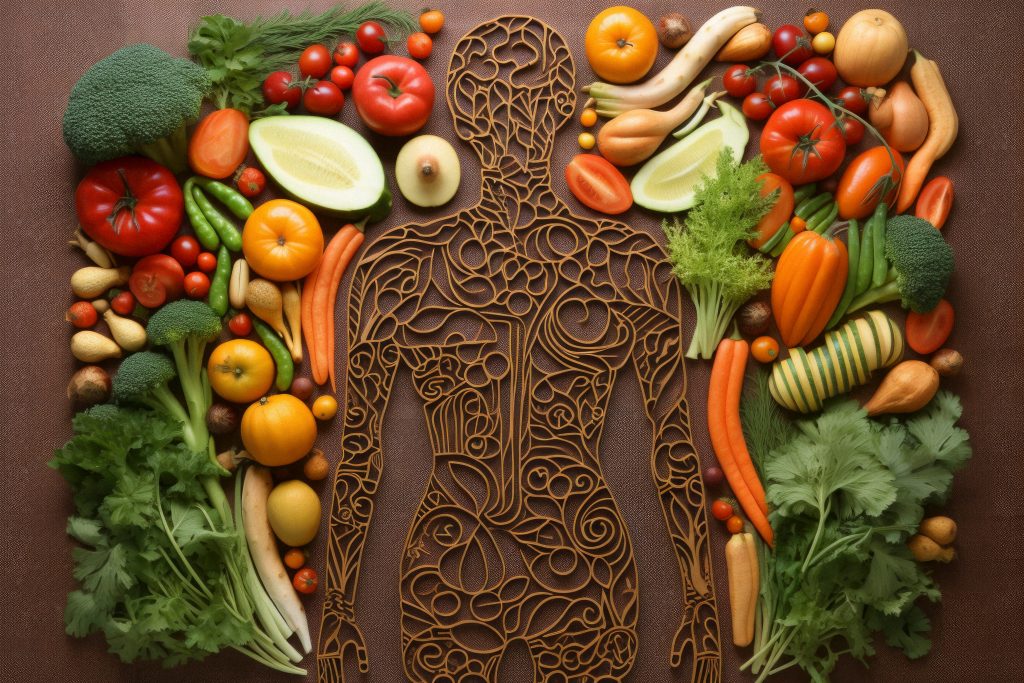
Certain foods focus on balancing the microbiome through whole foods, lifestyle choices, and stress management. Supporting immune system function and mental health through the gut-brain axis [12].
- Herbs and spices like peppermint, ginger, and chamomile can soothe the digestive tract [13].
- Probiotic-rich foods like yogurt and fermented foods support gut health
- Prebiotic foods like fruits, vegetables, and whole grains promote beneficial bacteria growth.
Recipe: Baobab Chia Seed Pudding
- Mix 2T chia seeds, 150ml yogurt, 50ml milk, and 2T baobab powder. [14].
- Refrigerate overnight and top with berries or fruit.
Conclusion
Nourishing the gut with holistic nutrition is a lifestyle choice that supports overall health and vitality. By prioritizing whole foods, stress management, and gut health, we can promote a balanced microbiome and improve our well-being.
References:
1. Sender R, Fuchs S, Milo R. Revised estimates for the number of human and bacteria cells in the body. PLoS Biol. 2016;14(8):e1002533.
2. Sperber AD, Bangdiwala SI, Drossman DA, et al. Global prevalence and burden of dyspepsia and functional bowel disorders: results from the Rome Foundation Global Epidemiology Study. Gastroenterology. 2020;159(6):2040-2051.e2.
3. Zimbabwe Ministry of Health and Child Care. National Health Strategy 2016-2020.
4. Qin J, Li R, Raes J, et al. A human gut microbial gene catalogue established by metagenomic sequencing. Nature. 2010;464(7285):59-65.
5. Zinöcker MK, Lindseth IA. The Western diet-microbiome-host interaction and its role in metabolic disease. Nutrients. 2018;10(3):365.
6. Suez J, Korem T, Zeevi D, et al. Artificial sweeteners induce glucose intolerance by altering the gut microbiota. Nature. 2014;514(7521):181-186.
7. Hill C, Guarner F, Reid G, et al. Expert consensus document: The International Scientific Association for Probiotics and 8.Prebiotics consensus statement on the scope and appropriate use of the term probiotic. Nat Rev Gastroenterol Hepatol. 2014;11(8):506-514.
9. Slavin J. Fiber and prebiotics: mechanisms and health benefits. Nutrients. 2013;5(4):1417-1435.
10. Bischoff SC. ‘Gut health’ and the mucal barrier: definition and pathophysiology. Best Pract Res Clin Gastroenterol. 2011;25(1):3-14.
11. Mayer EA. Gut feelings: the emerging biology of gut-brain communication. Nat Rev Neurosci. 2011;12(8):453-466.
12. Sudo N, Sonoda J, Oyama N, et al. Alterations in the gut microbiota contribute to cognitive impairment induced by chronic stress. Commun Biol. 2018;1:83.
13.McGonagle D, McGrath H, Undar L, et al. Peppermint oil for irritable bowel syndrome: a systematic review and meta-analysis. J Clin Gastroenterol. 2014;48(6):505-511.
14. Chinyakare nutrition cookbook. Rumbidzai Mukori. 2024.