
Written by Lolitaire Moyo-Healey. M.Ost DO, UKIHCA-RHC for BonVie Medical Aid scheme

Walking is one of the simplest and most significant activities you can do for your health. Regular walking offers a wide range of health benefits for both your body and mind, benefits that can rival many medical interventions.
Heart Health and Longevity
You do not need to walk very long distances to start protecting your heart. Health benefits begin at as few as 3,967 steps per day to reduce the risk of dying from any cause, and just 2,337 steps per day to lower cardiovascular risk [3]. That is less than half of the 10,000-step goal you may have heard of. Additionally, every step genuinely counts.
Each additional 1000 steps per day is associated with a reduction in the risk of premature death by 15%. Adding just 500 more steps a day cuts your heart disease risk by 7% [3]. Use the estimation of 1 kilometre being 1300 steps. Even if your day is mostly spent sitting at a desk or behind a steering wheel, walking more can meaningfully offset that risk [4].
Blood Sugar and Diabetes
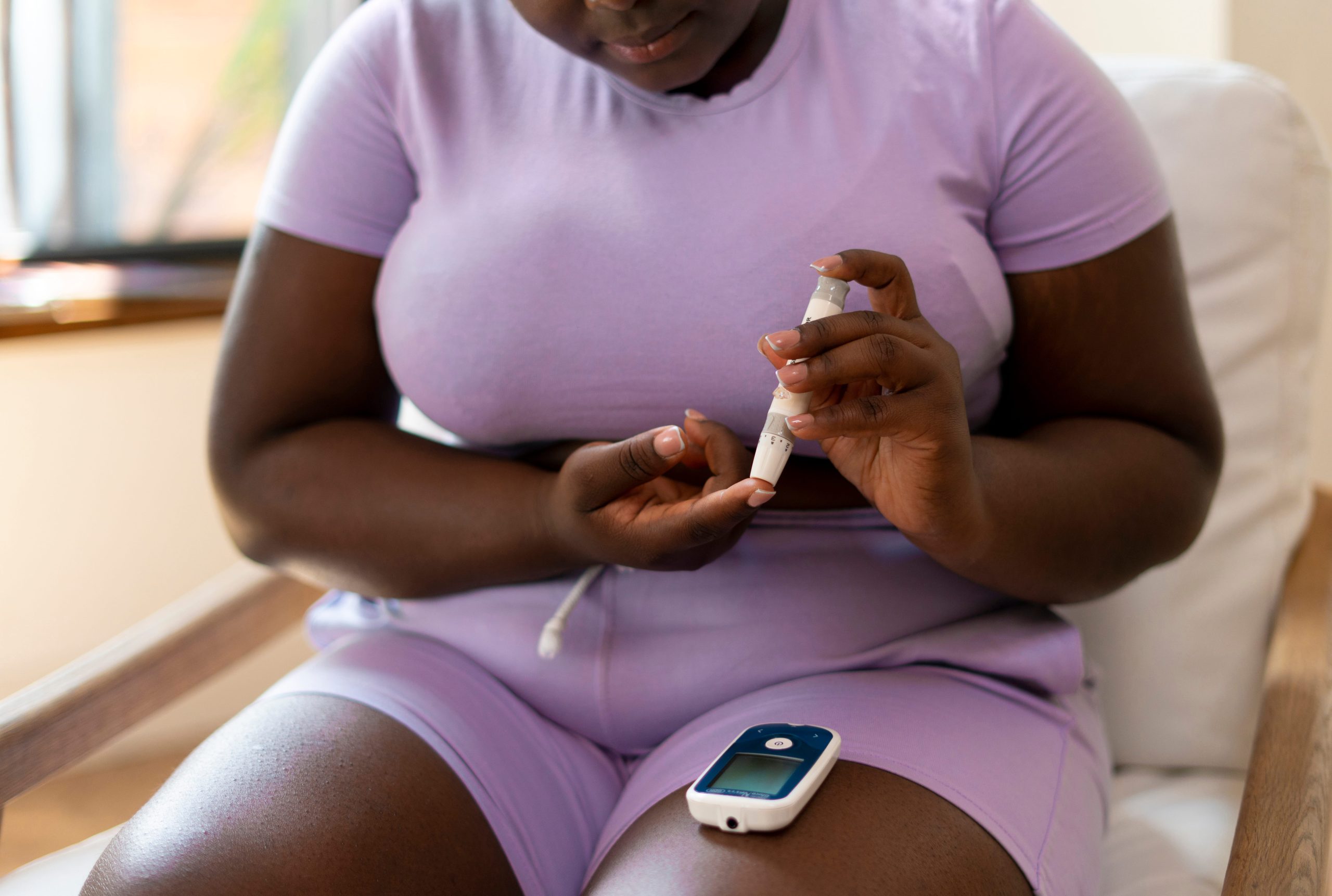
When you walk, your muscles absorb glucose from the bloodstream directly, without needing insulin to do it. Insulin being the hormone usually responsible for helping cells take in glucose [8]. That means walking actively lowers your blood sugar in real time, and the effect can last for hours after you have stopped.
In type 2 diabetes, it has been found that every additional 2,600 steps per day (roughly 20 minutes of walking) is linked to better blood sugar control over time [7].
For prevention, the recommendation is at least 30 minutes of walking daily, and splitting it into three 10-minute walks works just as well [6].
Mental and Emotional Wellbeing
Walking is also good for how you think and feel. When you walk, your brain releases endorphins and serotonin, the chemicals responsible for lifting your mood and easing anxiety [12]. It also breaks the cycle of anxious or negative thinking that you may get caught in during stressful periods [9].
Spending time walking outdoors adds another layer of benefit. Nature-based walking (walking in green spaces like gardens, open spaces and tree-lined roads) improves mood, reduces anxiety and boosts your overall sense of optimism [10].

Creativity and Cognitive Function
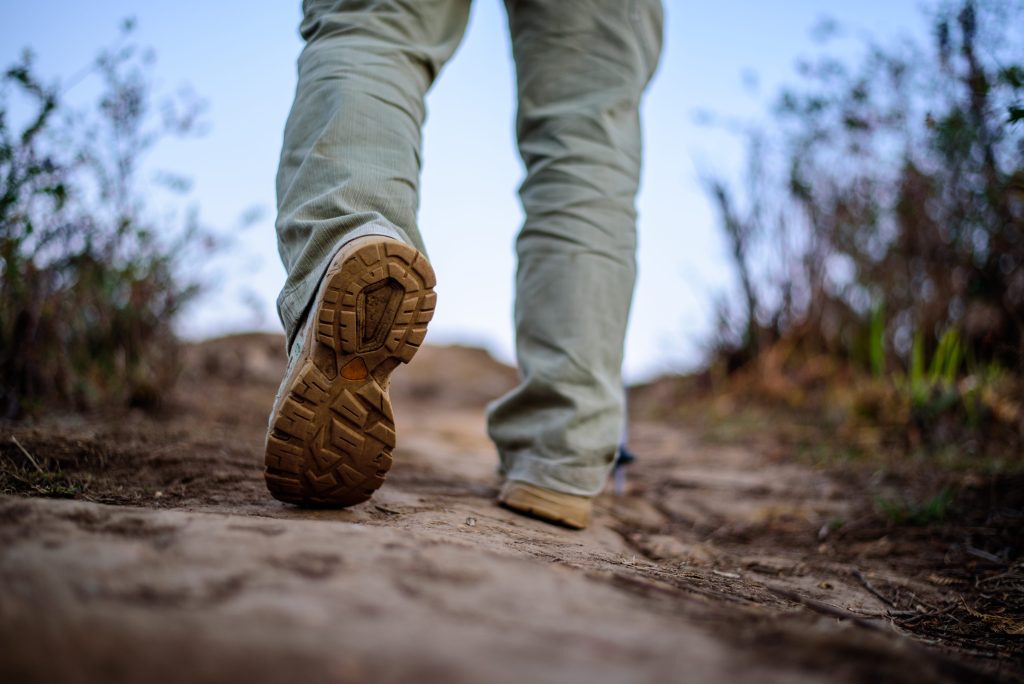
Here is something most people do not know: walking makes you more creative. A Stanford University study found that 81% of people scored higher on creative thinking tests while walking compared to sitting, and the boost in creative thinking continued even after they sat back down [11]. This is why so many people find that their best ideas don’t come at their desk, but usually in the middle of doing something else.
The reason is physiological because walking increases blood flow and oxygen to the brain, triggering the release of chemicals that increase focus, reduce stress, and open the mind to new connections [12]. So the next time you are stuck on a problem at work or at home, a short walk might be the most productive thing you can do.
Social Connection
Loneliness and social isolation are increasingly recognised as serious health risks. Even argued, more damaging than smoking. Walking alone for 20 or more minutes per day is significantly associated with lower levels of loneliness and social isolation [13].
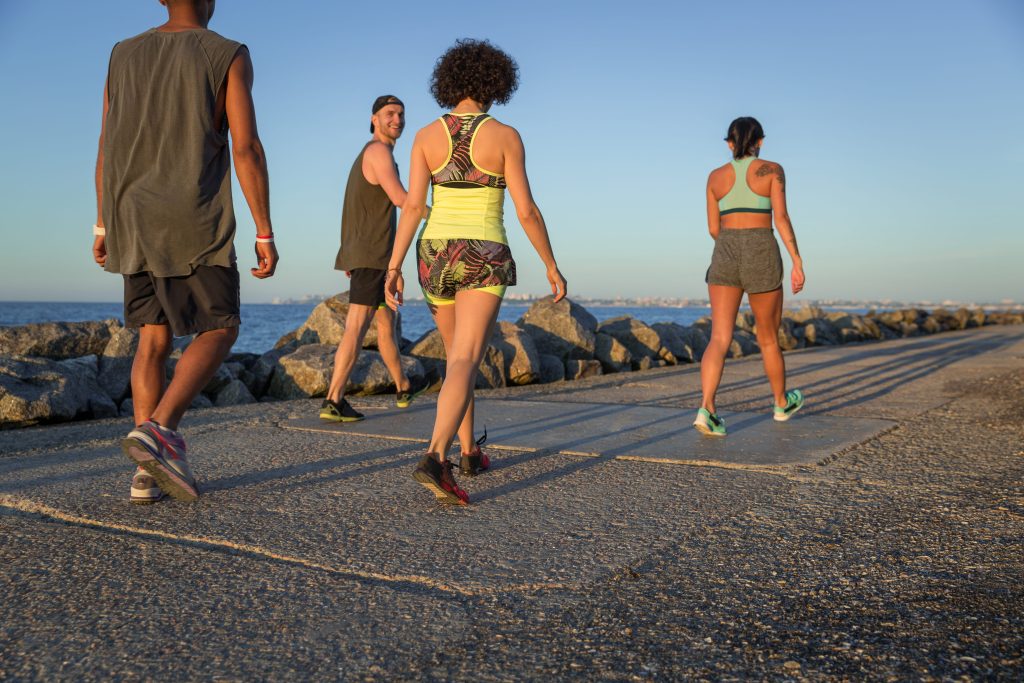
Walking with others amplifies this effect. Group walking creates a sense of belonging, shared purpose, and the opportunity to build genuine friendships and connections [14]. Whether it is a neighbor, a colleague, a friend, or a family member-an invitation to walk together is an investment in both your wellbeing and theirs.

Genetics and Weight Management
There are about 32 genes linked to obesity, and a study showed that brisk walking for an hour per day decreased the influence of those genes on body weight by 50% [1]. Walking does not just help you manage your weight. It actively pushes back against a genetic predisposition to gain weight. Your genetic make-up doesn’t have to have the final say.
Where to Begin
The guidance is straightforward: aim for 30 minutes of brisk walking, five days a week, and you will begin reducing your risk of several serious, age-related diseases [2].
If that feels like a stretch right now, start smaller. A 10-minute walk after dinner, parking further away from where you are going, taking a call on your feet instead of at your desk. It all counts, and it all adds up [3].
Conclusion
Walking is free, safe, and available to almost everyone. And as the evidence shows, it is far more powerful than many would think, when it comes to taking care of your health and wellbeing.
References
- Harvard Health Publishing. 5 Surprising Benefits of Walking. https://www.health.harvard.edu/staying-healthy/5-surprising-benefits-of-walking
- Ungvari Z, et al. The Multifaceted Benefits of Walking for Healthy Aging: From Blue Zones to Molecular Mechanisms. GeroScience, 2023. https://www.ncbi.nlm.nih.gov/pmc/articles/PMC10643563/
- Banach M, et al. The Association Between Daily Step Count and All-Cause and Cardiovascular Mortality: A Meta-Analysis. Via Medical Economics, 2026. https://www.medicaleconomics.com/view/new-study-finds-benefits-of-walking-start-at-just-2-400-steps-a-day
- Ahmadi MN, et al. Daily Steps, Mortality and Cardiovascular Disease. British Journal of Sports Medicine, 2024. Via ScienceDaily. https://www.sciencedaily.com/releases/2026/04/260417085409.htm
- Kelly P, et al. Is There Evidence That Walking Groups Have Health Benefits? A Systematic Review and Meta-Analysis. BMC, 2015. https://www.ncbi.nlm.nih.gov/pmc/articles/PMC4453623/
- American Diabetes Association. Walking Plan & Diabetes Management. https://diabetes.org/health-wellness/fitness/diabetes-walking-plan
- DiaTribe. The Step-by-Step Approach to Better Blood Sugars: Walking. https://diatribe.org/exercise/step-step-approach-better-blood-sugars-walking
- Dexcom. Walking and Diabetes: A Path to Better Health. https://www.dexcom.com/en-ca/blogs/walking-and-diabetes
- Mayo Clinic. Depression and Anxiety: Exercise Eases Symptoms. https://www.mayoclinic.org/diseases-conditions/depression/in-depth/depression-and-exercise/art-20046495
- Pryor E, et al. Effectiveness of Nature-Based Walking Interventions in Improving Mental Health in Adults: A Systematic Review. Current Psychology, 2023. https://link.springer.com/article/10.1007/s12144-023-05112-z
- Oppezzo M & Schwartz DL. Give Your Ideas Some Legs: The Positive Effect of Walking on Creative Thinking. Stanford University, 2014. Via KineSophy. https://kinesophy.com/how-walking-makes-you-more-creative/
- Blue Cross NC. 8 Ways a Walk Can Help You De-Stress. https://www.bluecrossnc.com/blog/healthy-living/fitness/benefits-of-walking
- Shellito N & Velasco Roldan N. Walking Away from Loneliness: The Mediating Role of Social Isolation. PMC, 2019. https://www.ncbi.nlm.nih.gov/pmc/articles/PMC6845713/
- Tobin J, et al. Relationships Between Physical Activity and Loneliness: A Systematic Review of Intervention Studies. ScienceDirect, 2023. https://www.sciencedirect.com/science/article/pii/S2666518223000451
Author

Lolitaire Moyo-Healey
M.Ost DO, UKIHCA-RHC, Founder, Registered Osteopath, Mindfulness Practitioner, Accredited Health + Life Coach