Written by Professor Stephen Mashingaidze and Rumbidzai Mukori-William for BonVie Medical Aid scheme
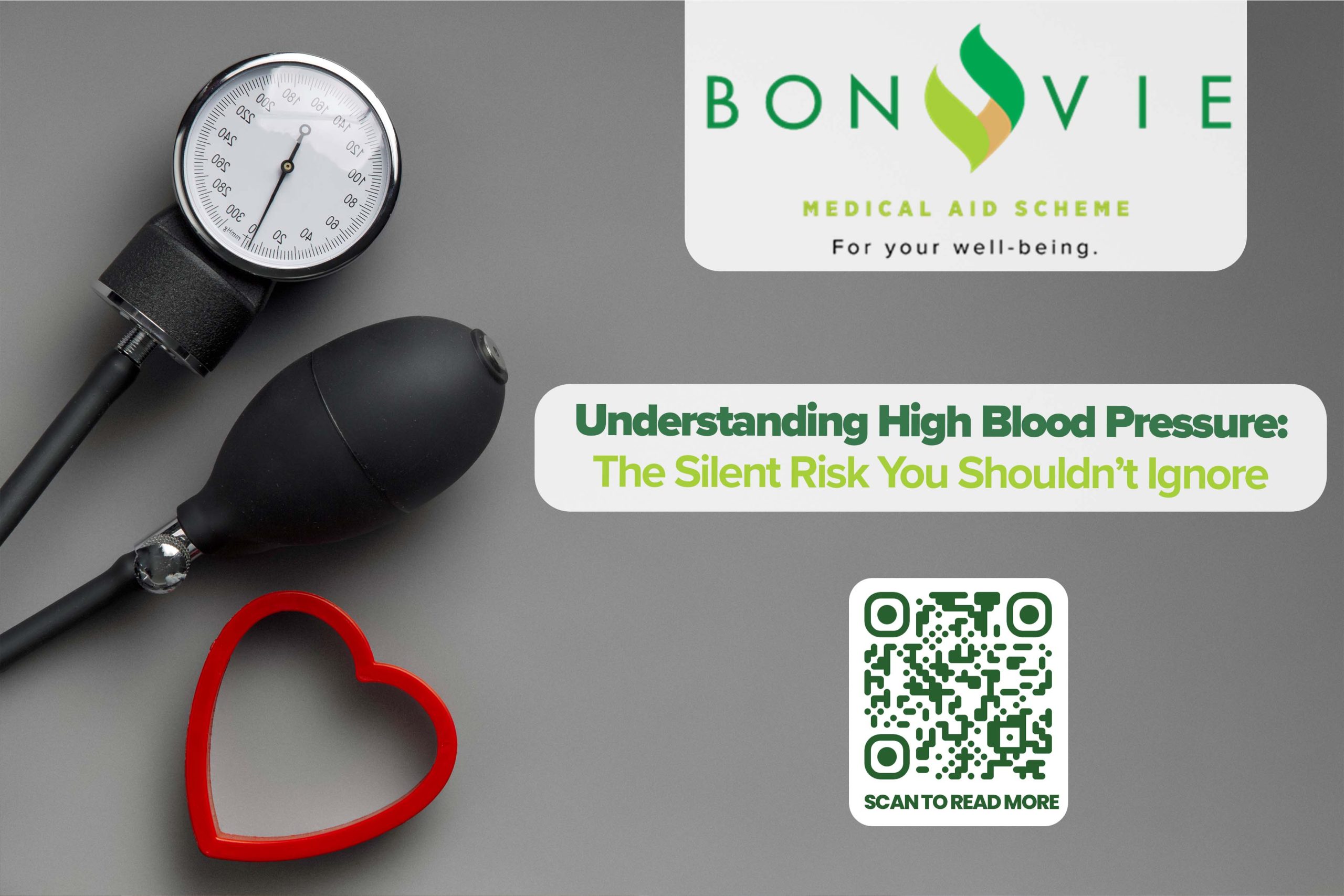
High blood pressure rarely announces itself with pain or fever. You can feel perfectly fine while damage quietly builds inside your arteries, heart, kidneys, and brain. That’s why healthcare professionals call it the “silent risk”. It’s common, serious, and manageable if you catch it early.[1] Blood pressure is the force of blood pushing against artery walls every time your heart beats. It’s recorded as two numbers: *Systolic pressure is the top number, pressure when the heart contracts and diastolic pressure is the bottom number, pressure when the heart rests between beats. When these numbers stay high, arteries become stiffer and narrower, forcing the heart to work harder and damaging organs over time.[1]
Blood pressure categories:
- Normal: Below 120/80 mmHg
- Elevated: 120-129/<80 mmHg
- Hypertension Stage 1: 130-139/80-89 mmHg
- Hypertension Stage 2: 140/90 mmHg or higher
- Hypertensive crisis: Above 180/120 mmHg – requires urgent medical attention
Why it is called the silent killer?
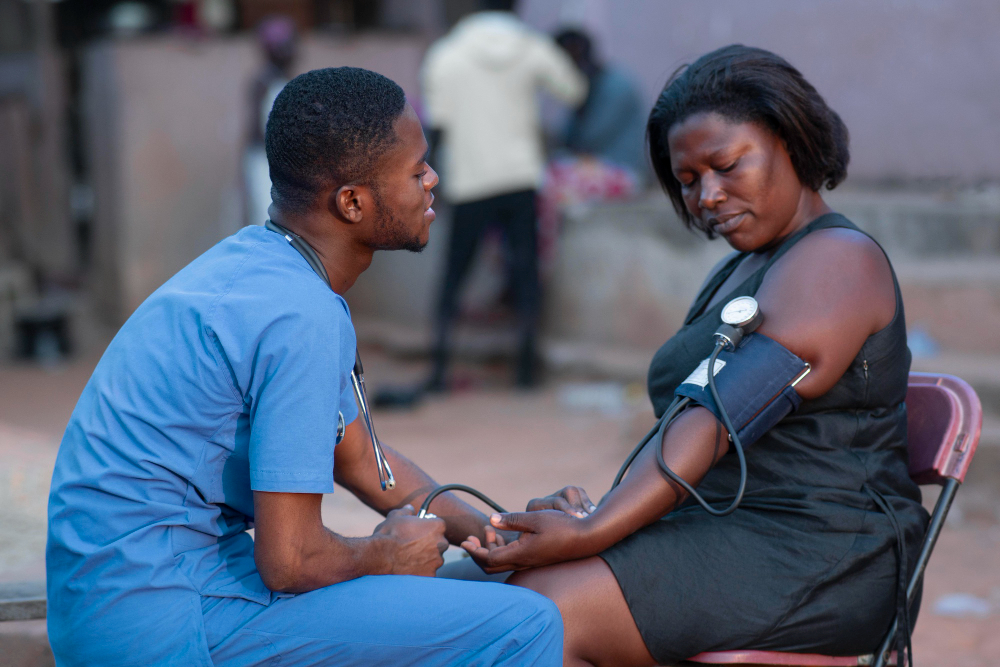
Most people with stage 1 or stage 2 hypertension have no symptoms. Headaches, nosebleeds, and dizziness only show up in severe cases.[1] Meanwhile, damage occurs to the Heart with high pressure thickening the heart muscle, leading to heart failure. Constant pressure in arteries causes small tears, scarring, and stiffness. The tiny vessels in kidneys get damaged, reducing filtration and leading to kidney diseases. Damaged vessels in the brain and eyes increase stroke risk and can affect vision [1].
Epidemiology from the University of Zimbabwe Medical School and National Data
Research from the University of Zimbabwe Faculty of Medicine and Health Sciences highlights hypertension as a growing public health challenge in Zimbabwe.[2] A 2021 meta-analysis found a pooled national prevalence of 30%. Another large survey of 16,883 young adults in urban and peri-urban Zimbabwe found hypertension at 7.4% and high-normal BP at 12.2% in 18-24 year olds. Overall, hypertension affects roughly 30% of adults, higher than HIV and TB in Zimbabwe.[8][7][2] With very low control rates amongst patients in eastern Zimbabwe, only 41.4% had controlled blood pressure. In healthcare workers screened between 2020-2022, 36% had elevated blood pressure but most were undiagnosed or uncontrolled. Globally, only 11% of hypertension patients in sub-Saharan Africa are controlled.[1][8]
Modifiable factors play a key role in increasing risk to high blood pressure:
- Diet high in sodium, low in potassium: Processed foods and salty snacks are main culprits
- Physical inactivity: Weakens the heart and reduces vessel flexibility
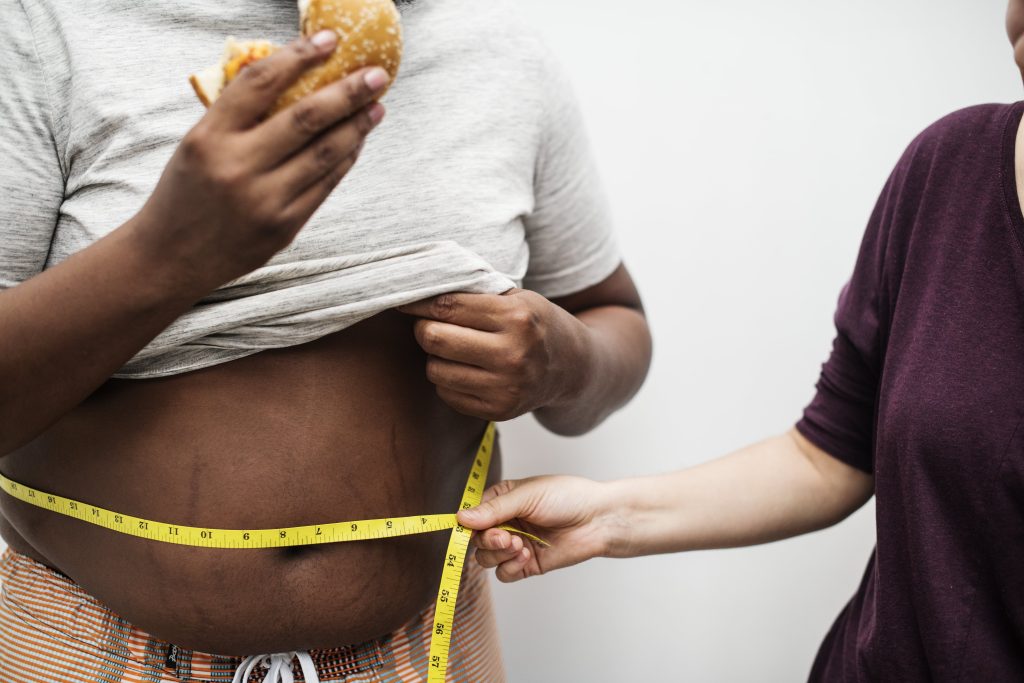
- Excess body weight: Obesity was associated with almost twice the odds of hypertension in young adults.
- Alcohol and smoking: Increase risk and blunt medication effects
- Chronic stress and poor sleep: Raise stress hormones and BP[7][1]
Prevention works best with small, repeatable habits:
- Early detection allows lifestyle changes to reverse elevated and stage 1 hypertension before organ damage occurs.[1]
- Fix the salt-potassium balance: Aim for <5g salt/day. Add potassium-rich foods like spinach, rape, sweet potatoes, and bananas
- Move daily: 150 minutes of moderate activity per week improves vessel flexibility. Walking/cycling as transport was protective against uncontrolled hypertension
- Manage stress and sleep: Chronic stress and <6 hours sleep raise hypertension risk
- Maintain healthy weight: Losing 5-10% of body weight can drop systolic pressure by 5-10 mmHg[4][1]

Local, affordable foods that support high blood pressure prevention:
- Leafy greens: Rape, spinach, kale for potassium
- Beans and groundnuts: Protein and potassium without excess sodium
- Citrus fruits: Naartjies and oranges, in season during winter
Conclusion
Hypertension is common, silent, and dangerous if ignored. Zimbabwe data shows prevalence at 30% and control rates below 50%.[8][1] You don’t need perfect habits. Consistent ones work: check your pressure, move daily, eat more whole foods and less processed salt, manage stress, and avoid smoking and excess alcohol. Beyond getting screened, there is a need to take personal responsibility and ensure that eating right based on detection is actually executed. Know your numbers, act early, and use available healthcare resources. Your future self will thank you.
References:
1. Mundagowa PT, Zambezi P, Muchemwa-Munasirei P. The prevalence and determinants of blood pressure control among hypertension patients in eastern Zimbabwe. _PLoS ONE_. 2024;19(3):e0293812.
2. University of Zimbabwe Institutional Repository. Patterns and characteristics of hypertension pharmacotherapy in Zimbabwe. 2016.
3. Kitai IC, et al. Hypertension in Harare hospital out-patients: drugs prescribed, drugs taken and control achieved. _Cent Afr J Med_. 1986;32(11):262-268.
4. Factors affecting diagnosis and management of hypertension in Mazowe District of Mashonaland Central Province in Zimbabwe. _BMC Cardiovasc Disord_. 2012.
5. Hypertension control in Harare municipal clinics. _PubMed_. 1989.
6. Knowledge, attitudes and practices related to hypertension among residents of a disadvantaged rural community in southern Zimbabwe. _PLoS ONE_. 2020.
7. Sabapathy K, et al. Prevalence of hypertension and high-normal blood pressure among young adults in Zimbabwe. _BMC Public Health_. 2023.
8. Mugisha J, et al. May Measurement Month 2021: an analysis of blood pressure screening results from Zimbabwe. _Eur Heart J Suppl_. 2023.