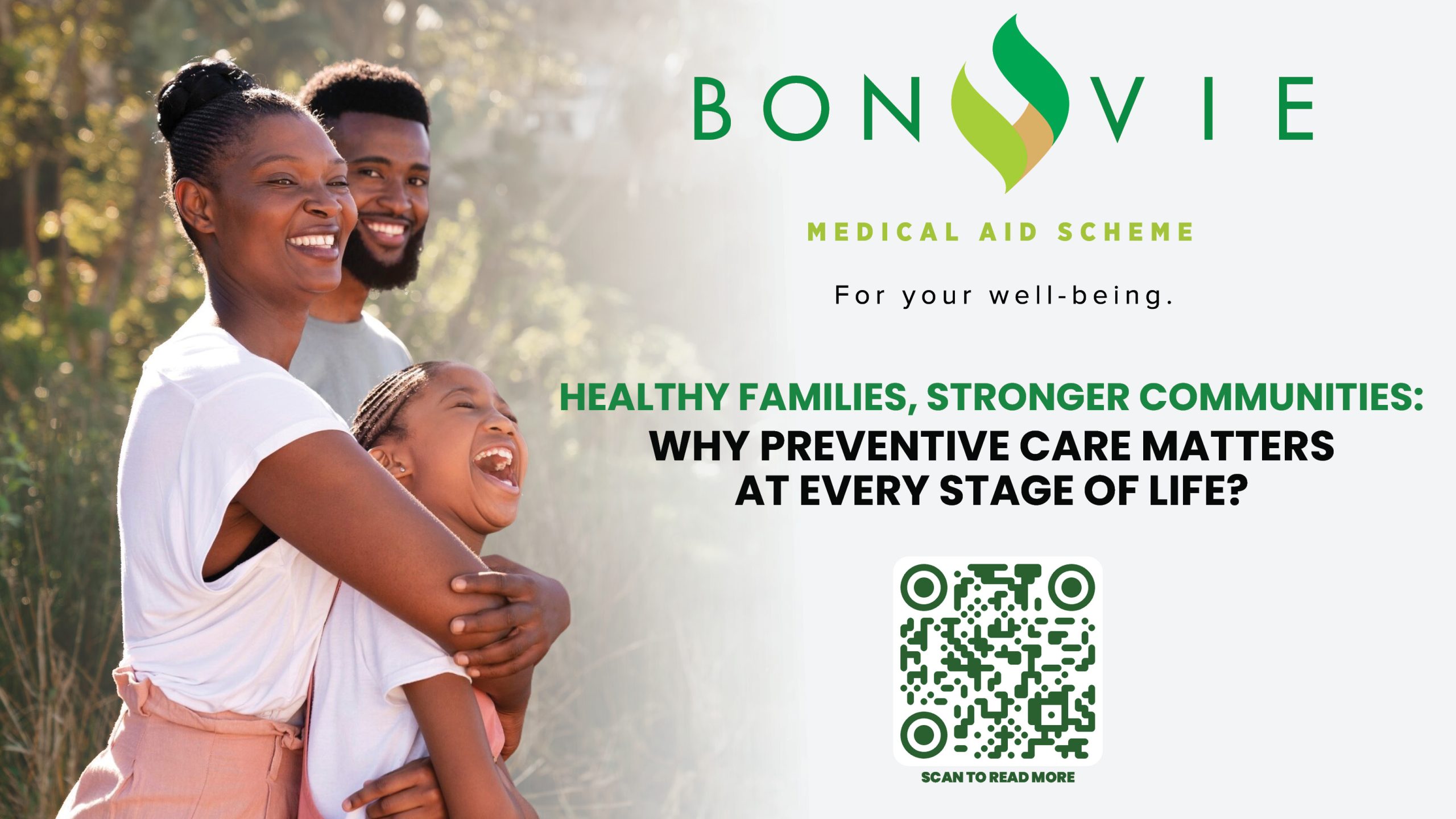
Healthy Families, Stronger Communities: Why Preventive Care Matters at Every Stage of Life?
Written by Professor Stephen Mashingaidze and Rumbidzai Mukori-William for BonVie Medical Aid scheme
A Harvard Medical School Perspective, elaborates on the importance of “Prevention as being the best medicine. Catching a problem early, before it has a chance to develop, is often far easier and more successful than trying to treat it after the fact.”[9]
This simple truth is the foundation of stronger families and stronger communities. Routine check-ups, screenings, and early treatment-seeking are not only for people who feel sick. They are a proactive strategy that reduces suffering, saves lives, and lowers healthcare costs. When families embrace preventive care at every stage of life, the impact extends to schools, workplaces, and the wider community.[1]
image: freepik.com
Maternal Health as the cornerstone
Healthy Families begin with a mother’s health, she determines the health of the next generation. Regular antenatal care is directly linked to lower maternal and newborn mortality, early detection of complications such as preeclampsia and anemia, and better birth outcomes.[2] Beyond clinical checks, antenatal visits provide nutrition counseling, tetanus vaccination, HIV testing, and mental health support. Postnatal care within the first 48 hours is equally critical for monitoring recovery, supporting breastfeeding, and screening for postpartum depression. When mothers receive preventive care, babies are born healthier and families start with greater stability.*[3]
Child Health is the strong foundation for a healthy life
The first 1,000 days from conception to a child’s second birthday are the most important period for growth and brain development.[4]
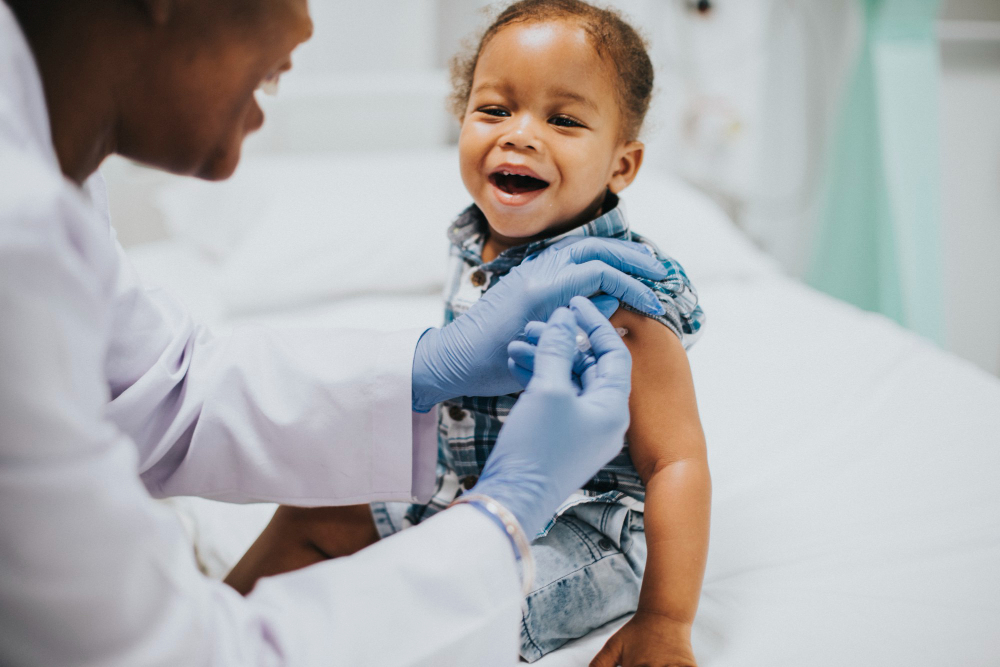
Preventive services during this time include growth monitoring, routine immunizations, vitamin A supplementation, deworming, and developmental screenings. Vaccines alone prevent an estimated 3.5 to 5 million deaths each year from diseases like measles, pneumonia, and polio. Early detection of malnutrition or developmental delays allows for timely support, leading to better performance in school and better health in adulthood. Healthy children
image: freepik.com
image: freepik.com
Men’s Health as the pillar
Men are statistically less likely to seek routine healthcare and more likely to present with advanced disease. This contributes to higher rates of hypertension, diabetes, cardiovascular disease, and cancers among men.[6]
Preventive care for men should include annual blood pressure and blood sugar checks, cholesterol screening, and age-appropriate cancer screenings such as prostate exams. Equally important is addressing mental health and encouraging open conversations about wellbeing. Remember real strength is taking care of yourself so you can care for your family.
Adults & Seniors aim to stay ahead of silent conditions
Many of the most dangerous health conditions show no early symptoms. Hypertension affects 1 in 3 adults globally and is a leading cause of stroke and heart disease. Type 2 diabetes and viral hepatitis B and C can silently damage organs for years before detection.[7][8]
For adults and seniors, preventive care means routine lab tests, eye and dental exams, and age-appropriate vaccinations. It also includes medication reviews, fall-risk assessments, and management of chronic conditions to maintain independence and quality of life. Early detection transforms treatment. It is simpler, cheaper, and more effective. [1]
image: freepik.com
Why This Matters for Communities
Communities that prioritize prevention experience measurable benefits:
Lower healthcare costs: Every $1 invested in prevention can save $3-$5 in treatment expenses
More productive populations: Fewer sick days, better school attendance, and stronger economies
Resilient social systems: Healthy families participate more fully in community life[1]
When one household adopts annual check-ups and timely immunizations, it sets an example that spreads to neighbors, churches, and workplaces.
How to Start Today?
Preventive care is built on small, consistent actions:
Book annual health screenings for every family member
Attend antenatal and child welfare clinics on the recommended schedule.
Keep immunizations and prescribed medications up to date.
Ask your provider which tests you need based on age, gender, and family history.
Talk openly about health to reduce stigma around testing and treatment
Conclusion
Don’t wait for symptoms to take your health seriously. As Harvard Medical School reminds us, the best time to act is before illness begins.[9] Healthy families raise stronger communities. Stronger communities build a healthier nation.
References:
1. World Health Organization. _Preventing chronic diseases: a vital investment_. WHO, 2005. 2. WHO. _WHO recommendations on antenatal care for a positive pregnancy experience_. WHO, 2016. 3. WHO. _WHO recommendations on postnatal care of the mother and newborn_. WHO, 2013. 4. UNICEF & WHO. _Improving Early Childhood Development: WHO Guideline_. WHO, 2020. 5. WHO. _Immunization coverage fact sheet_. Updated 2024. 6. White A, et al. _The State of Men’s Health in Europe_. European Men’s Health Forum, 2011. 7. WHO. _Hypertension Fact Sheet_. Updated 2023. 8. WHO. _Global Hepatitis Report 2024_. WHO, 2024. 9. Shmerling RH. _Why you should get regular checkups_. Harvard Health Publishing, Harvard Medical School. Updated Jan 2023. https://www.health.harvard.edu/staying-healthy/why-you-should-get-regular-checkups