Simple Food Safety Habits That Keep You and Your Family Well
Written by Professor Stephen Mashingaidze and Rumbidzai Mukori-William for BonVie Medical Aid scheme
Food safety conversations often start with fear. “Don’t eat that.” “That will make you sick.” But what if food safety wasn’t about fear, but about power? Your plate is the front line of your health and your family’s health. The World Health Organization estimates that unsafe food causes 600 million cases of foodborne illness and 420,000 deaths every year. Most of these are preventable with simple daily habits.[1] Having worked with families, vendors, and small food businesses for years. The pattern is clear: people don’t get sick because they don’t care. They get sick because no one showed them practical habits that work with real budgets, real time pressure, and real kitchens.[2] Drawing on WHO, FAO, and CDC guidance, we present four practical, low-cost habits that work in homes across Africa.
Habit 1: Smart Grocery Shopping
Your first line of protection begins before food enters your kitchen. The market or supermarket is where most food safety problems start.[3]
Check the package first: Torn packaging lets in bacteria and air. If a pack of sausages is leaking, put it back. If a canned food has a swollen lid or dent on the seam, don’t buy it. Swelling means gas from bacteria like Clostridium botulinum.
Read the dates, but know what they mean: “Use By” is a safety date. After this date, food may be unsafe even if it looks fine. “Best Before” is a quality date. Pasta or biscuits after “Best Before” might taste stale, but they won’t make you sick. Confusing these two causes massive food waste and unnecessary risk.
image: freepik
image: freepik
Habit 2: Safe Storage: Organize Your Fridge, Protect Your Family
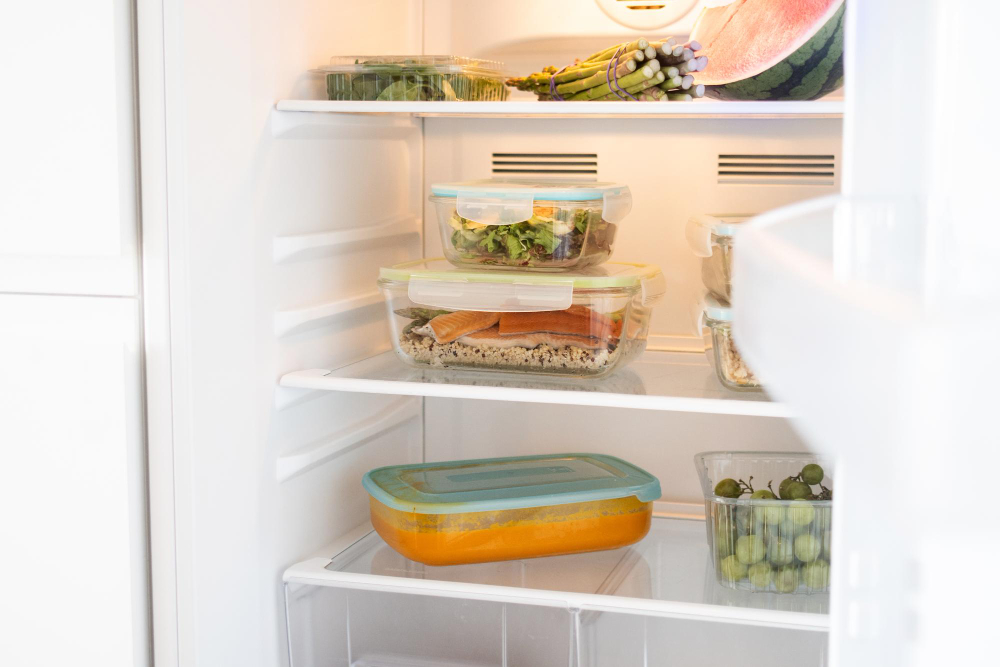
Once food is home, your fridge and pantry become your protection system. But most fridges are disorganized, which increases cross-contamination risk.[5]
Store ready-to-eat foods on top shelves. Cooked foods in the middle. Raw meat, fish, and poultry on the bottom shelf in a tray. This prevents drips from raw meat contaminating food that won’t be cooked again. Cross-contamination is a leading cause of foodborne illness in homes.
Habit 3: Washing Produce: Clean Right, Keep the Good Stuff
image: freepik
Washing produce is simple, but method matters. Water and friction remove most dirt, germs, and pesticide residue.[6]
Water is enough. Clean running water and rubbing remove 99% of surface contaminants. Soap and bleach are not recommended for food. They can leave residues.
Wash everything, even “pre-washed”. Packaged salads can be contaminated after packaging. A 20-second rinse under running water adds protection.
Scrub what you peel. Germs on melon or potato skin transfer to flesh when cut. Scrub first, then peel. A clean brush costs little and lasts years.
Dry matters. Wet produce spoils faster. Air dry or pat dry with a clean cloth before storing.[7]
Washing correctly means you keep vitamins and lose germs. That is smart nutrition without fear
Habit 4: Avoid Cross-Contamination: The Separate Rule
Cross-contamination is when germs from raw food spread to ready-to-eat food. It’s the #1 cause of food poisoning at home, hence the importance of separating everything.
Separate cutting boards, knives and utensils: The knife and cutting board for raw chicken should not slice tomato without washing. Keep soapy water nearby while cooking.
Separate hands: Wash hands with soap for 20 seconds before cooking and after handling raw meat, eggs, or fish. Handwashing prevents 30% of foodborne illness.
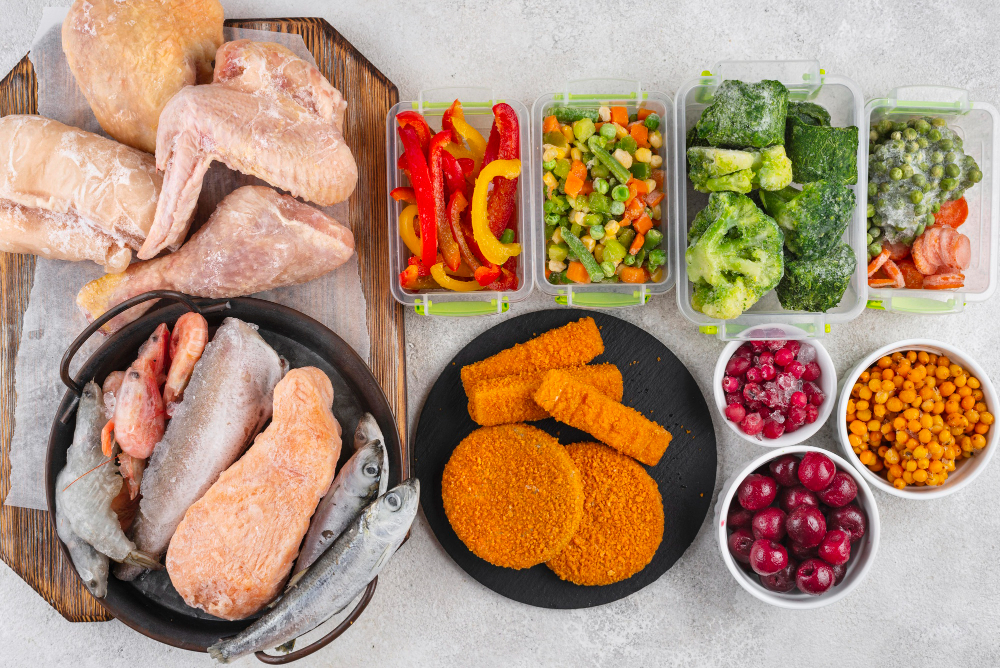
Separate in bags. At the shop, ask for raw meat in its own bag. At home, store it on the bottom shelf.
image: freepik
Conclusion
ood safety is a skill built one habit at a time.[8] Every meal is a decision. Every habit is protection. You don’t need a perfect kitchen or expensive tools. You need knowledge and action.[9] The plate that protects you is the plate where smart choices were made from shop to table.[10] Start with one habit today. Teach someone else. When you protect your plate, you protect your family and community.[11]
You have the power. Use it.[12]
References:
1. World Health Organization. _Food Safety Fact Sheet_, 2020. 2. FAO. _Five Keys to Safer Food Manual_, 2006. 3. CDC. _Food Safety Steps_, 2023. 4. USDA. _Canning and Food Safety Guidelines_, 2015. 5. Journal of Food Protection. _Home Refrigeration Study_, 2018. 6. Produce Safety Alliance. _Washing Produce_, 2020. 7. Journal of Applied Microbiology, 2016. 8. CDC. _Building Food Safety Skills_, 2023. 9. WHO. _Consumer Empowerment_, 2020. 10. Journal of Food Safety Education, 2018. 11. FAO. _From Farm to Fork Safety_, 2006. 12. Community Health Journal, 2019.