
Written by Lolitaire Moyo-Healey. M.Ost DO, UKIHCA-RHC for BonVie Medical Aid scheme
If your knees feel stiff in the morning, ache at the end of a long day, or you feel stiffness when you rise from a chair you are far from alone. Knee osteoarthritis (OA) is the most prevalent form of arthritis worldwide, and its burden is rising sharply across sub-Saharan Africa. A 2024 South African study found that among adults attending physiotherapy at a public hospital, 55.7% had OA, with knee OA accounting for the most severe pain.¹ Zimbabwe’s low recorded OA statistics likely reflect underreporting rather than a genuinely lighter disease burden, meaning the true prevalence here is almost certainly higher than official figures suggest.²
Whether you are already diagnosed or noticing early warning signs, understanding what helps and does not can meaningfully change how you live with this condition.
What Is Knee Osteoarthritis?
Knee OA is a progressive condition in which the cartilage cushioning your knee joint gradually breaks down, leading to pain, stiffness, swelling, and reduced mobility. Key modifiable risk factors include excess body weight, physical inactivity, previous joint injury, and occupations involving prolonged standing or repetitive heavy loading.¹ Because several of these are within your control, your daily choices carry real preventive and therapeutic power.
Some of the biggest risk factors include carrying extra weight, physical inactivity, a past joint injury, and jobs that involve a lot of standing or repetitive heavy lifting.¹
What Aggravates Knee Osteoarthritis
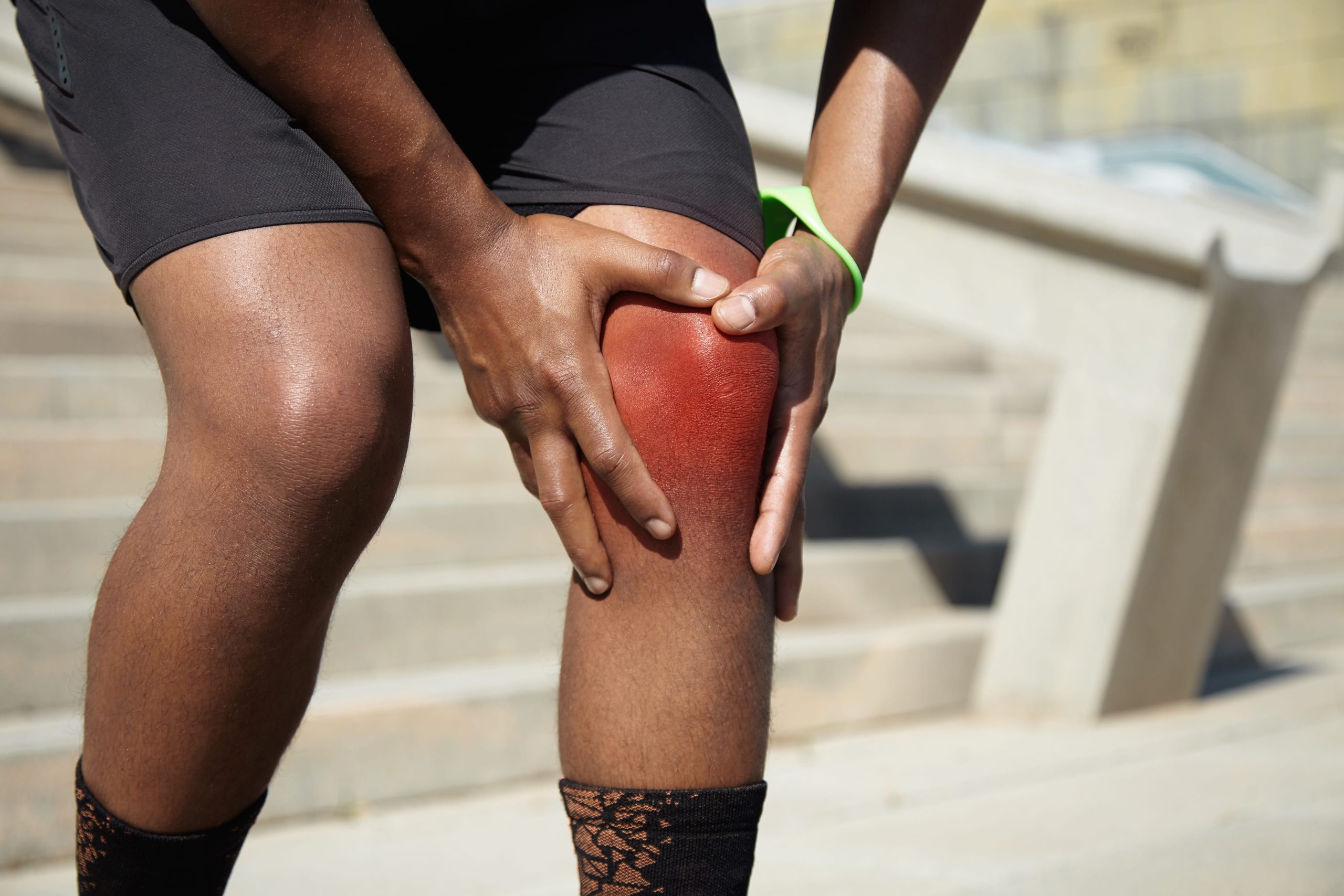
High-impact activity on hard surfaces, prolonged deep squatting, and sustained physical demands without breaks all accelerate joint damage or trigger flare-ups. Other contributors include carrying extra weight and weakness in leg muscles.
What Helps Knee Osteoarthritis
Exercise is the single most important intervention available to you. Every major international clinical guideline strongly recommends it as first-line treatment for knee OA, regardless of age, severity, or pain level.³ The most knee-friendly activities are cycling (stationary bike or a push bike) swimming, and walking. Alongside this, specific knee-strengthening exercises targeting the muscles in the front of your thigh are essential. These large muscles called your quadriceps act as natural shock absorbers for the joint; when they are weak, the joint takes more load with every step.³
Many people with knee OA find uphill walking less painful than walking briskly on flat ground. This is due to biomechanics because slow uphill walking significantly reduces the force going through the joint compared to flat-level walking.⁴ A gentle incline distributes load differently across the joint. This is worth knowing when planning your walks.
Weight management is equally important. Each additional kilogram of body weight translates into multiple kilograms of extra force on the knee with every step. A reduction of as little as 5% of body weight produces meaningful improvements in pain and function.⁵
Activity pacing is one of the most overlooked management strategies. Long periods of physically demanding work like prolonged standing, repeatedly bending or straining the knees, and heavy lifting without breaks are common triggers for flare-ups. Flare-ups are periods of increased pain that can last weeks. Breaking activity into shorter intervals with rest periods in between is not about doing less; it is about protecting your joint from the cumulative load that sets off pain and inflammation.
Supportive footwear directly affects how force travels through your knee. Worn-out soles, flat unsupported shoes, or high heels all alter gait in ways that increase joint stress. A good, cushioned shoe is one of the simplest interventions available.
Managing Pain
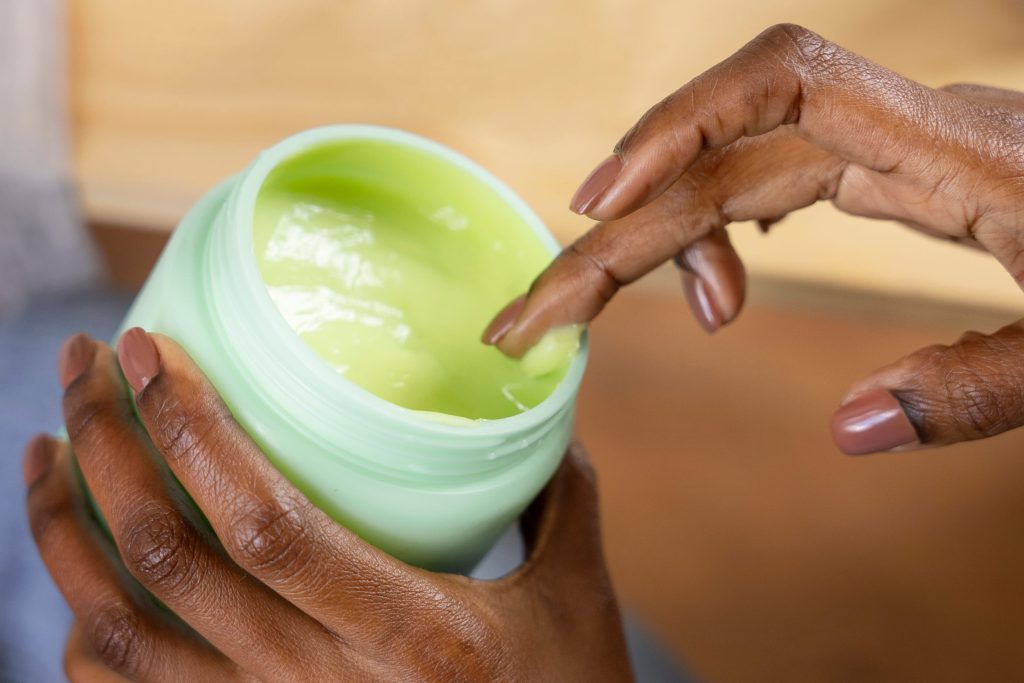
Topical and oral NSAIDs (anti-inflammatories such as diclofenac or ibuprofen, in gel or tablet form) are the most consistently recommended pharmacological tools across all major OA guidelines.³ Topical gels are particularly useful as they deliver medication directly to the affected joint. Always discuss long-term use with your doctor.
Arnica-based creams have been found to contribute significant reductions in pain, stiffness, and function.⁶ In some cases, just as effective as ibuprofen.⁷ Avoid application to broken skin, and do not use if you are allergic to the sunflower plant family.
Supplementation: Maintaining What You Have
No supplement currently available can reverse OA or regenerate lost cartilage. The goal of supplementation is to support and protect the cartilage that remains. Talk to your doctor or nutritionist about appropriate dosing for your health and age.
Omega-3 fatty acids (fish oils) have a well-established anti-inflammatory mechanism and are associated with reduced joint pain and stiffness, with benefits becoming more apparent after at least 3 months of consistent use.⁸
Oral magnesium can be supportive as well. Lower magnesium has been associated with worse knee pain and reduced function.⁹ Increasing magnesium intake corresponds to better cartilage volume and thickness in the knee joint.⁹ ¹⁰ Magnesium deficiency is common, particularly with age, and correcting it is low-risk and generally beneficial. Oral supplementation is a reasonable option to discuss with your healthcare provider.

Conclusion
Knee Osteoarthritis is not a condition you simply endure until it becomes severe enough for surgery. You can reduce pain, maintain function, and protect your quality of life for years ahead.
References
- Masangu, T. & Tlou, B. (2024). Prevalence and Risk Factors of Osteoarthritis in Patients at a Public Hospital in Limpopo Province. South African Family Practice. PMC. Available at: https://pmc.ncbi.nlm.nih.gov/articles/PMC11622042/
- Scientific Reports (2025). Global, Regional, and National Epidemiology of Osteoarthritis in Working-Age Individuals: Insights from the Global Burden of Disease Study 1990–2021. Available at: https://www.nature.com/articles/s41598-025-91783-6 — and — PMC (2025). Implementation of Best-Evidence Rehabilitation for Hip, Knee and Hand Osteoarthritis in Africa: A Cause for Concern. Available at: https://pmc.ncbi.nlm.nih.gov/articles/PMC12008564/
- Gibbs, A.J. et al. (2023). Recommendations for the Management of Hip and Knee Osteoarthritis: A Systematic Review of Clinical Practice Guidelines. Osteoarthritis and Cartilage. Available at: https://www.oarsijournal.com/article/S1063-4584(23)00832-4/fulltext
- Browning, R.C. et al. (2013). A Comparison of Slow, Uphill and Fast, Level Walking on Lower Extremity Biomechanics and Tibiofemoral Joint Loading in Obese and Nonobese Adults. PubMed. Available at: https://pubmed.ncbi.nlm.nih.gov/24127395/
- PMC / NIH (2022). Recommendations for Weight Management in Osteoarthritis: A Systematic Review of Clinical Practice Guidelines. Available at: https://pmc.ncbi.nlm.nih.gov/articles/PMC9718266/
- Knuesel, O., Weber, M. & Suter, A. (2002). Arnica montana Gel in Osteoarthritis of the Knee: An Open, Multicenter Clinical Trial. Advances in Therapy. Available at: https://pubmed.ncbi.nlm.nih.gov/12539881/
- Widrig, R. et al. (2007). Choosing Between NSAID and Arnica for Topical Treatment of Hand Osteoarthritis in a Randomised, Double-Blind Study. Rheumatology International. Available at: https://pubmed.ncbi.nlm.nih.gov/17318618/
- Water for Health. Is Magnesium Oil Good for Arthritis? — includes Omega-3 and MSM overview. Available at: https://www.water-for-health.co.uk/blogs/blog/magnesium-oil-for-arthritis-can-it-soothe-joint-pain-rheumatism
- Peng, J. (2026). Can Magnesium Supplements Help With Joint Pain and Arthritis? — reviewing Osteoarthritis Initiative cohort data. Available at: https://www.jeffreypengmd.com/post/can-magnesium-supplements-help-with-joint-pain-and-arthritis
- PMC / NIH (2021). Magnesium in Joint Health and Osteoarthritis. Available at: https://pubmed.ncbi.nlm.nih.gov/34023805/
Author

Lolitaire Moyo-Healey
M.Ost DO, UKIHCA-RHC, Founder, Registered Osteopath, Mindfulness Practitioner, Accredited Health + Life Coach