Healthy Ageing: What It Really Means and How to Support It
Written by
Lolitaire Moyo-Healey.
M.Ost DO, UKIHCA-RHC for BonVie Medical Aid scheme
Many people misunderstand healthy aging as simply avoiding illness. In reality, it’s about maintaining your independence, mobility, strength, and quality of life as you grow older. The World Health Organization defines healthy ageing as developing and maintaining the functional ability that enables wellbeing in older age [1]. In practical terms, that means being able to move well, think clearly, manage daily activities, and stay socially connected. It’s less about adding years to life, and more about adding life to the years.
The good news is that the most important factors that support healthy ageing are within your control.
1. Strength: The foundation of Independence
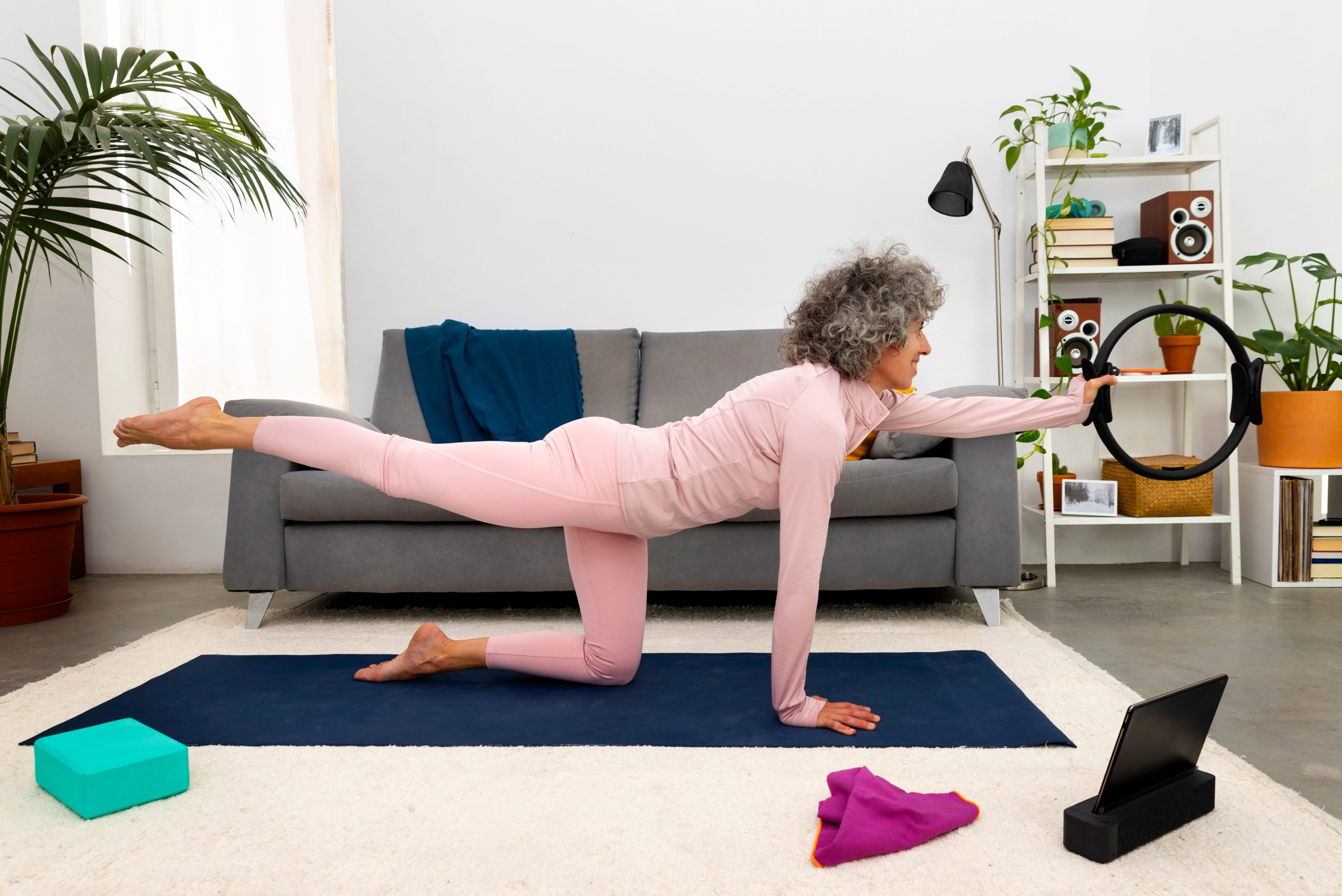
Picture courtesy of Freepik
Muscle mass and strength naturally decrease with age, starting in your 30s by a process called sarcopenia [2]. This loss can increase with age if you do not actively make an effort to maintain your muscle- increasing the risk of falls, fractures and loss of independence. To combat this, strength training is one of the most powerful tools you can use to slow and even partially reverse this decline. Strong muscles make everyday tasks easier, including carrying groceries, climbing stairs and getting up from the floor.
Strength training (also know as resistance training) improves muscle mass, bone density, metabolic health, and physical function across the lifespan [3].
Simple at-home exercises are a good place to start if you cannot (or prefer not) to go to the gym. Bodyweight exercises, resistance bands or light dumbbells used 2 – 3 times a week can significantly improve strength. Bodyweight exercises like squats, lunges, step-ups, and push-ups work well [4], remembering that the goal is consistency.
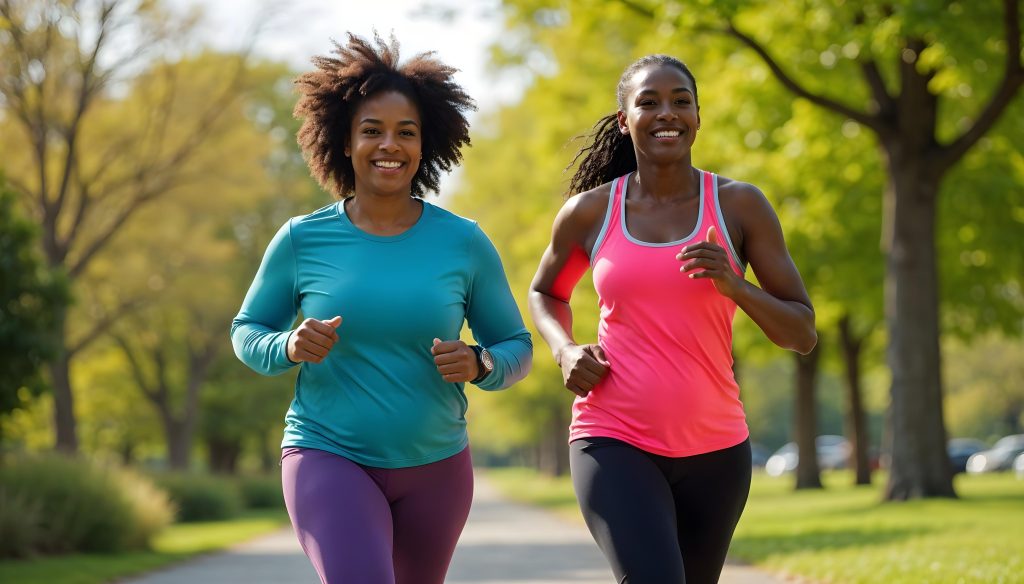
Picture courtesy of Freepik
2. Mobility: Freedom of Movement
Mobility is about how freely and comfortably your joints move. Joints can become stiff and painful over time, without regular movement. Poor mobility can often lead to joint pain and reduced activity levels. Staying active through activities like walking and even swimming is a core strategy for preventing stiffness and maintaining function [5]. Other ways to do so are stretching before and after workouts, and avoiding long periods of sitting.
3. Balance: Protection from Falls
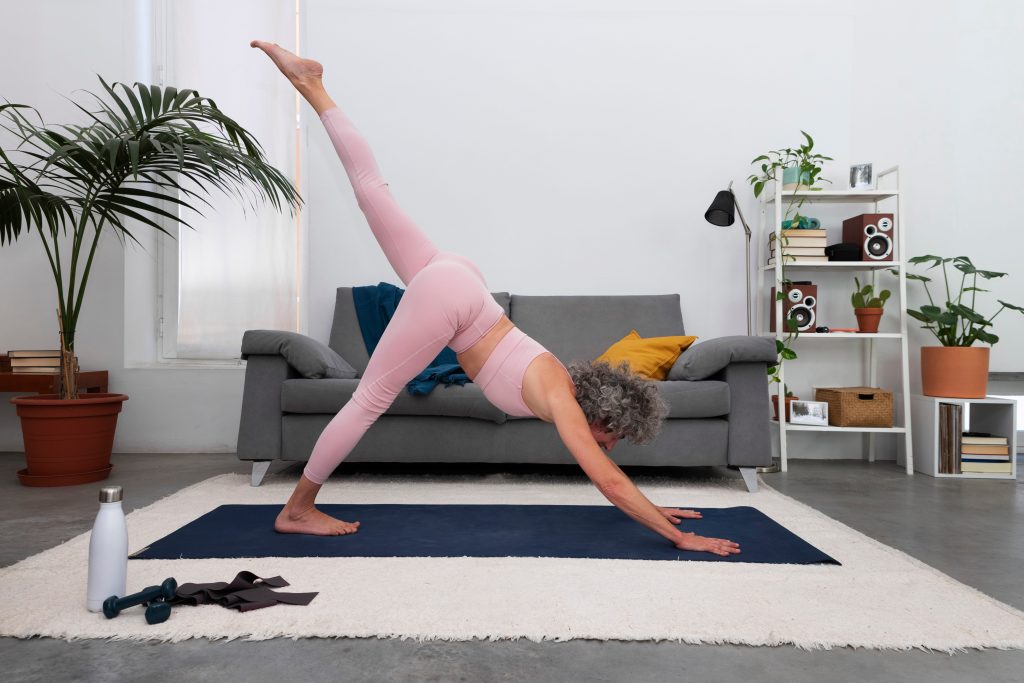
Falls are a major cause of injury in older adults worldwide [6], because balance tends to decline with age. However, balance is trainable at any age. Exercises like standing on one leg, then standing on one leg with eyes closed are good for training balance.
Strength training itself also improves balance because stronger muscles respond more effectively to sudden changes in position (3).
Picture courtesy of Freepik
Picture courtesy of Freepik
4. Lifestyle Habits that promote health, aging, and longevity
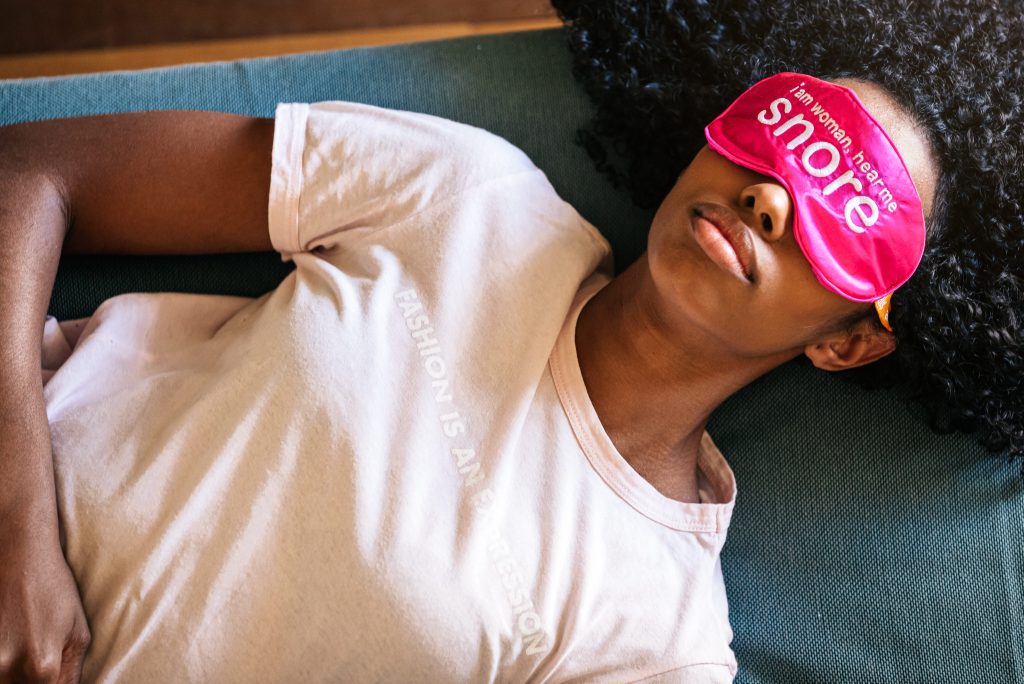
Sleep: Adults should aim for 7–9 hours per night. Chronic sleep deprivation is associated with increased risk of cardiovascular disease, obesity, and impaired immune function [8].
Nutrition: A balanced eating pattern rich in whole foods, vegetables, fruits, and healthy fats supports long-term metabolic and cardiovascular health [9].
Avoiding tobacco and limiting alcohol: Smoking is a major risk factor for multiple chronic diseases [7]. Reducing alcohol intake further lowers health risks.
Social connection: Maintaining relationships and staying engaged in your community supports both mental and physical wellbeing. Social isolation is associated with increased mortality risk [10].
Conclusion
By investing in your strength, mobility, and daily habits now, you give yourself the best chance of remaining active, capable, and independent for years to come.
True healthy ageing isn’t just about lifespan, it’s about health span: the number of years you remain strong, capable, independent, and mentally sharp.
References
World Health Organization. (2020). Decade of Healthy Ageing 2021–2030.
National Institute on Aging. (2022). Sarcopenia and Age-Related Muscle Loss.
American College of Sports Medicine. (2009). Progression Models in Resistance Training for Healthy Adults. Medicine & Science in Sports & Exercise.
World Health Organization. (2020). WHO Guidelines on Physical Activity and Sedentary Behaviour.
National Institute for Health and Care Excellence. (2022). Osteoarthritis: Care and Management.
World Health Organization. (2021). Falls Fact Sheet.
World Health Organization. (2023). Cardiovascular Diseases (CVDs) Fact Sheet.
Centers for Disease Control and Prevention. (2022). Sleep and Health.
Harvard T.H. Chan School of Public Health. (2023). The Mediterranean Diet.
National Academies of Sciences, Engineering, and Medicine. (2020). Social Isolation and Loneliness in Older Adults.
Author
Lolitaire Moyo-Healey
M.Ost DO, UKIHCA-RHC, Founder, Registered Osteopath, Mindfulness Practitioner, Accredited Health + Life Coach