
Written by Professor Stephen Mashingaidze and Rumbidzai Mukori-William for BonVie Medical Aid scheme
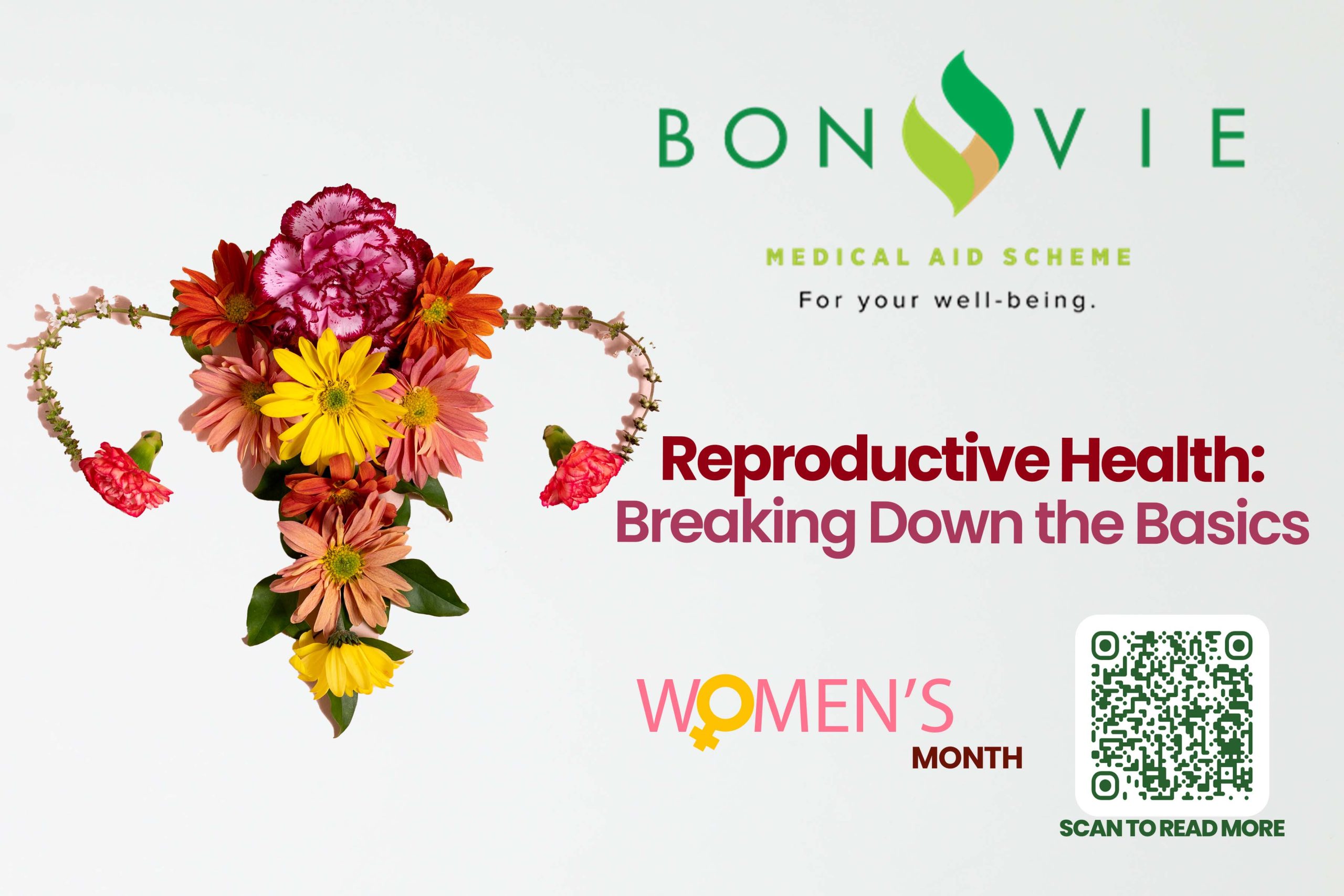
In many societies, including Zimbabwe, women’s reproductive health choices are often influenced by family members, particularly husbands, parents, or guardians. The pressure to conform to cultural or social expectations can limit a woman’s autonomy in making decisions about her own body, health, and well-being. From choosing contraception to deciding when to have children, women’s choices are often shaped by the opinions of those around them. This can lead to unintended pregnancies, poor health outcomes, and a lack of agency over one’s own reproductive life. This article explores the basics of reproductive health and explores the challenges and opportunities for women in Zimbabwe.
Menstrual Health
Menstruation is a natural process where the uterus sheds its lining, resulting in bleeding. A typical cycle lasts 28 days but can vary (1). Menstrual health issues include:
- Irregular periods
- Heavy bleeding
- Cramps
- PMS symptoms
Menstrual health has been a neglected aspect of women’s health in many African countries.
In Zimbabwe, menstrual health has been influenced by traditional cultural practices and colonialism. Traditional practices such as the “kusasa fumbi” ritual, which involves isolating women during menstruation, have been criticized for perpetuating harmful attitudes towards menstruation (2). The government’s National Reproductive Health Policy (2015) recognizes menstrual health as a key aspect of women’s health. In conjunction with WHO, which emphasizes the need for culturally sensitive education and awareness programs to challenge these norms and promote menstrual health and hygiene management.
Tips for a healthier menstrual health:
- Track your cycle to identify irregularities, hormonal patterns and for fertility health.
- Manage cramps with foods such as watermelon, cucumber and leafy greens to help alleviate bloating and improve hydration. Pain relief using ginger and turmeric can be added to stews or teas or juices.(3)
- Enjoy magnesium rich foods such as nuts, seeds and 45% cacao dark chocolate with no added sugar.
- Avoid high fat, sweet, caffeinated, alcohol and salty foods that can lead to bloating and in some instances trigger pain.
- To avoid estrogen dominance, add cruciferous vegetables such as broccoli, cabbage and cauliflower.
Contraceptions
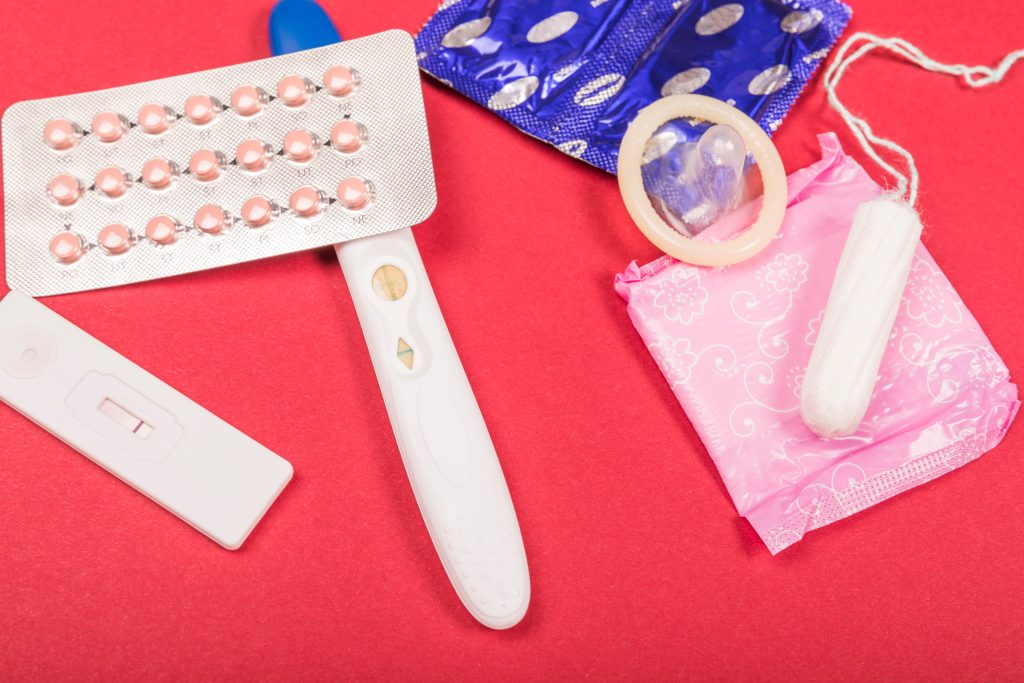
Contraception helps prevent unintended pregnancy. Improving Access to Contraception is crucial for preventing unintended pregnancies and improving reproductive health outcomes. In Zimbabwe, many women face barriers to accessing contraception, including lack of availability, cost, and social stigma (4). To address this, we need to increase access to affordable contraception, promote awareness and education, and challenge harmful cultural norms.
Contraception methods include:
- Hormonal: Pills, patches, rings, and injections
- Barrier: Condoms, diaphragms
- IUDs: Intrauterine devices
- Sterilization: Permanent solutions like tubal ligation.
Choosing contraception:
- Consider lifestyle and health
- Discuss options with a healthcare provider
- Use consistently and correctly.

Pregnancy
Pregnancy is a unique journey with significant physical and emotional changes. Key aspects include:
- Prenatal care: Regular check-ups and a healthy lifestyle support fetal development. Symptoms: Morning sickness, fatigue, and mood swings are common (5).
- Stages: Pregnancy is divided into trimesters, each with distinct milestones (6).
Tips for a healthy pregnancy:
- Take folic acid supplements (7) or iron rich foods such as spinach, chicken, lentils and beans to avoid fatigue.
- Eat a well-balanced diet with protein, vitamins, carbohydrates, fats, and minerals. With each trimester having more or less of certain nutrients, that must be consumed.
- Maintain a healthy BMI or weight, avoid eating for two and incorporate light exercise daily.
Menopause
Menopause marks the end of menstrual cycles, typically around age 45-55 (8). Symptoms include:
- Hot flashes
- Mood changes
- Vaginal dryness
- Sleep disturbances
Managing menopause:
- Hormone therapy (9)
- Lifestyle changes (diet, exercise, stress management).
- Alternative therapies (acupuncture, herbal supplements).
The Role of Men in Reproductive Health
Men play a critical role in reproductive health, and their involvement is essential for improving outcomes. Men can support their partners by attending prenatal appointments, promoting healthy behaviors, and encouraging open communication. By engaging men in reproductive health, we can promote healthier relationships and improve overall well-being.
Conclusion
Reproductive health is a vital aspect of overall well-being, and addressing the challenges and opportunities in Zimbabwe requires a multifaceted approach. By promoting education, awareness, and access to services, we can empower women and girls to make informed decisions about their reproductive health. Together, we can create a healthier, more equitable society.
References:
1. Johnson, S. R. (2020). Menstrual Cycle. StatPearls Publishing.
2. American College of Obstetricians and Gynecologists. (2020). Menstrual Cycles
3. Zimbabwe National Statistics Agency. (2015). Zimbabwe Demographic and Health Survey.
4. Mutambara, J., et al. (2018). Community-based family planning services in Zimbabwe. Journal of Family Planning and Reproductive Health Care, 44(2), 123-130.
5. Dhar, D., et al. (2019). Community-based interventions for improving reproductive health in low-resource settings. Harvard University.
6. World Health Organization. (2018). Menstrual health and hygiene management.
7. Khandekar, S., et al. (2017). Menstrual practices and stigma in India. Journal of Women’s Health, 26(10), 1053-1060.
8. Sommer, M., et al. (2016). Menstrual hygiene management in sub-Saharan Africa. Journal of Water, Sanitation and Hygiene for Development, 6(2), 233-244.
9. Chawinga, C., et al. (2019). Menstrual health and hygiene management in Malawi. Journal of Women’s Health, 28(5), 555-564.