
Written by Lolitaire Moyo-Healey. M.Ost DO, UKIHCA-RHC for BonVie Medical Aid scheme
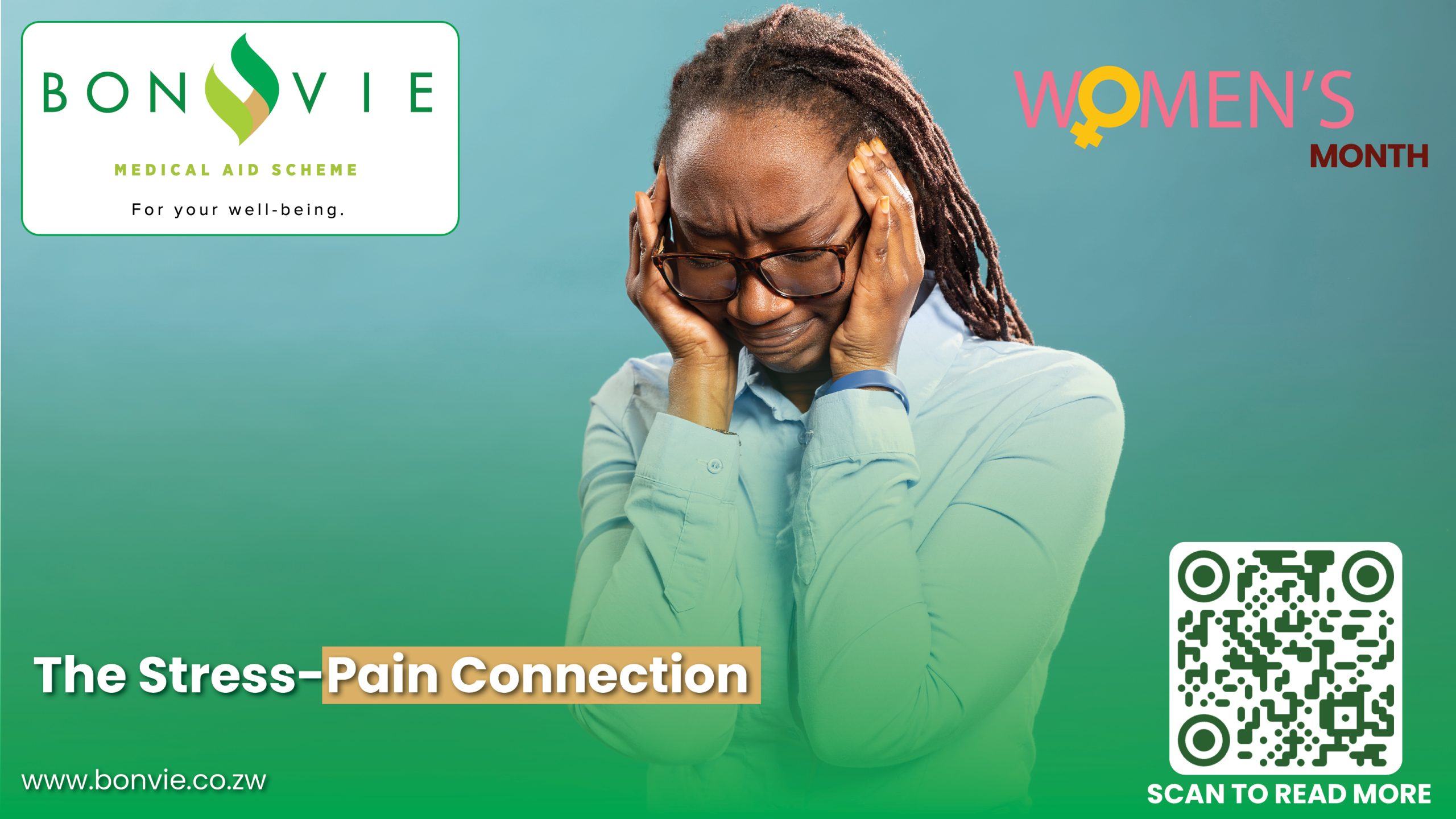
Stress and pain share biological and neurological processes in your body. So if you feel you have noticed a link between stressful times and more physical discomfort- it’s a very real thing. When you understand what is happening under the surface you are better equipped to prevent long-term problems and recover more effectively.
What is happening in your body when you are stressed
First it’s important to understand that stress can come from many different places and situations. It can be work-related, relational, environmental, personal, and much more.
When you experience stress, your body activates the stress response. A specific part of your brain triggers the release of the stress hormones cortisol and adrenaline [1], and this response increases heart rate, raises blood pressure, and tightens your muscles. This reaction would be protective if you were in immediate danger, for example almost being hit by a car.
However an issue arises when stress becomes chronic- meaning it lasts weeks, months or even years. Things like ongoing work pressure, financial strain, caregiving demands and unresolved emotional stress. Your whole body remains activated in this state for longer than it was designed to. Continuously elevated stress hormones have been consistently shown to be associated with immune system changes, increased inflammation and problems in pain regulation.[2]
Over time, this can shift your body into a state of always being sensitive to pain.
How stress + pain are linked
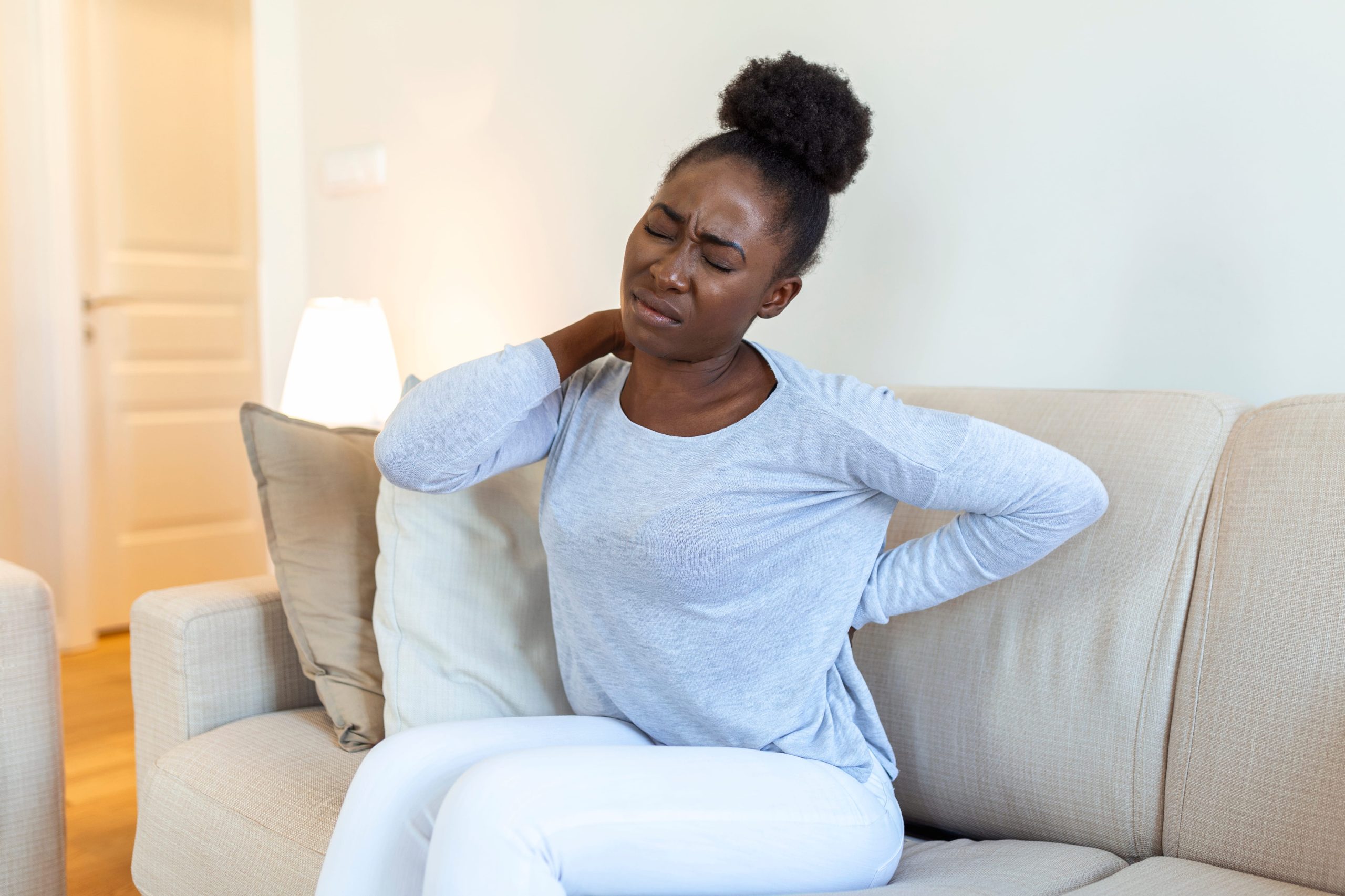
Stress and pain interact in 3 ways:
- Stress increases muscle tension – Many people unconsciously tighten their jaw, shoulders, or lower back during stressful periods. Prolonged muscle contraction reduces blood flow and increases pain and discomfort [4].
- Stress changes how your brain processes pain – Research shows that psychological stress can lower pain thresholds and increase pain perception [5]. This means you easily feel pain.
- Stress affects recovery – Elevated cortisol over time can affect your immune function and delay healing [2]. Poor sleep which often accompanies stress, also increases pain sensitivity and slows down recovery [6].
This creates a cycle:
- Stress increases tension and pain
- Pain increases stress
- Reduced sleep worsens both

How to Know If You Are Dealing With Stress-Related Pain
Stress-related pain is very real and physical- it does not mean your symptoms are “imagined.” The following patterns may suggest stress is contributing:
- Your pain flares up/gets worse during emotionally or financially stressful periods
- Medical imaging (Xray, Ultrasound, MRI) does not fully explain the severity of your symptoms
- You experience full-body muscle tightness rather than one isolated injury or joint
- Sleep disruption significantly worsens your pain
- Relaxation, holidays, or reduced workload temporarily improve symptoms.
If you notice these patterns, stress management should be part of your treatment plan. Not as an alternative to medical care, but alongside it.
What You Can Do
You cannot remove all stress from your life, that is not practical nor realistic. But you can influence how your whole body responds.
- Use your breathe. Slow, deep breathing has been shown to slow down heart rate, reduce blood pressure and decrease muscle tension. Try inhaling for 4 seconds, then exhaling for 8 seconds. Repeat this 10 times [7].
- Move regularly. Gentle exercise reduces muscle tension and lowers the levels of stress hormones [8].
- Protect your sleep. Sleep allows your whole system to reset and recover. Consistent sleep patterns play a role in reducing pain sensitivity and supporting recovery [6].
- Seek early support. Speak to your healthcare professional and ask for resources. These could range from community initiatives to strengthening personal relationships, and even counselling or therapy. These have been shown to reduce both stress and chronic pain symptoms [5].

Conclusion
Understanding the stress-pain connection empowers you. When you care for your stress levels, you are also caring for your muscles, joints, immune system, and long-term health.
References
- McEwen, B. S. (2007). Physiology and neurobiology of stress and adaptation. Physiological Reviews, 87(3), 873–904.
- Cohen, S., Janicki-Deverts, D., & Miller, G. E. (2007). Psychological stress and disease. JAMA, 298(14), 1685–1687.
- International Association for the Study of Pain (IASP). (2020). IASP revised definition of pain.
- Lundberg, U. (2002). Psychophysiology of work: stress, gender, endocrine response, and work-related musculoskeletal disorders. American Journal of Industrial Medicine, 41(5), 383–392.
- Gatchel, R. J., Peng, Y. B., Peters, M. L., et al. (2007). The biopsychosocial approach to chronic pain. Psychological Bulletin, 133(4), 581–624.
- Finan, P. H., Goodin, B. R., & Smith, M. T. (2013). The association of sleep and pain. Sleep Medicine Reviews, 17(1), 51–58.
- Jerath, R., Edry, J. W., Barnes, V. A., & Jerath, V. (2006). Physiology of long pranayamic breathing. Medical Hypotheses, 67(3), 566–571.
Author

Lolitaire Moyo-Healey
M.Ost DO, UKIHCA-RHC, Founder, Registered Osteopath, Mindfulness Practitioner, Accredited Health + Life Coach