Written by Lolitaire Moyo-Healey. M.Ost DO, UKIHCA-RHC for BonVie Medical Aid scheme
Over the past two decades, there has been a significant increase in awareness and research in women’s health, for good reason. Historically, much of exercise and medical research was conducted primarily on men, and the findings were often applied directly to women. We now understand that women are not simply “small men.” Female physiology differs meaningfully, particularly due to hormonal fluctuations that influence metabolism, hydration, temperature regulation, and recovery [6.]
In fact, policy changes in the early 1990s, marked a major turning point, with more rapid growth in sex-specific research accelerating in the 2000s and 2010s.
Exercise should be something that supports your life, not exhausts you. For women, the body goes through many changes across the monthly cycle, during pregnancy, after childbirth, and through menopause. These body changes can affect your strength, energy, and recovery. When you understand them, you can exercise in a way that protects your long-term health and feels sustainable.
Why Strength Training Matters at Every Age
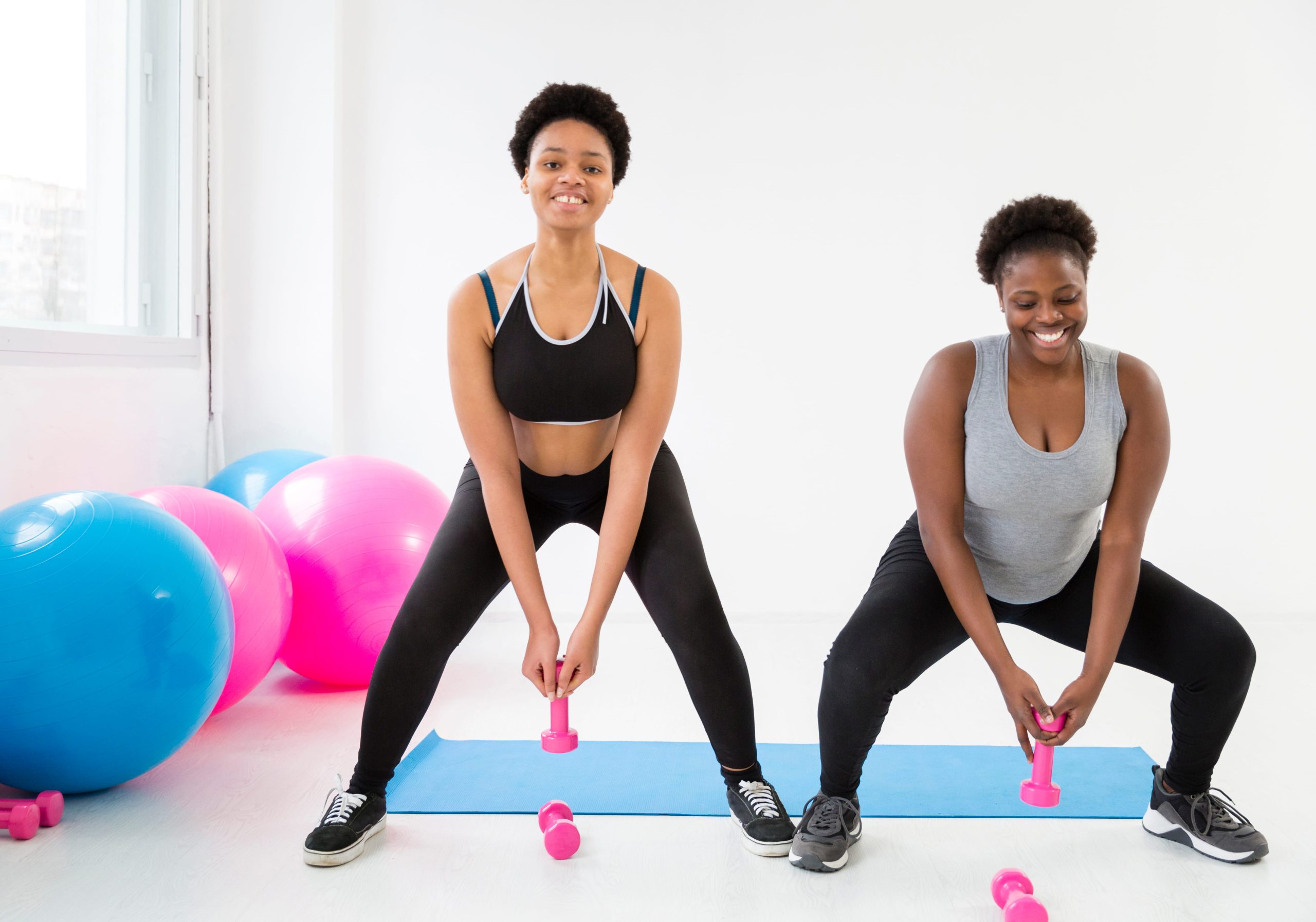
Strength training, also known as resistance training, performed at least twice a week [3], improves muscle strength and physical function in healthy adults [1]. It also plays a critical role in maintaining bone density, particularly as oestrogen levels decline in midlife [2]. Overall, strength training protects your bones and balance, and therefore your independence as you age.
Regular strength training can help you:
- Maintain muscle mass
- Protect bone density
- Improve balance and reduce fall risk
- Support metabolic health
- Stay independent later in life
You do not need a gym. Effective exercises include:
- Squats or sit-to-stand from a chair
- Lunges or step-ups
- Wall or floor push-ups
- Glute bridges
Your Menstrual Cycle and Exercise
If you menstruate, you may notice that your energy and strength change throughout the month. Some women notice it more than others, but this variation is normal. Hormones such as estrogen and progesterone fluctuate and can influence performance and recovery [4].
Some research suggests that you may experience greater strength gains when training with heavier loads in the first half of the cycle (the follicular phase) [5].
A simple way to apply this knowledge:
- During higher-energy weeks: focus on more demanding sessions, such as increasing weight or intensity.
- During lower-energy weeks (often the second half of the cycle): prioritise slower exercises, lighter sessions, and proper technique.
You can track symptoms for 2–3 months to identify patterns. What matters most is awareness. If you notice lower energy, disrupted sleep, or higher fatigue in certain phases, adjusting intensity or prioritising recovery can improve long-term sustainability.
Pregnancy and Postpartum: Gradual Return
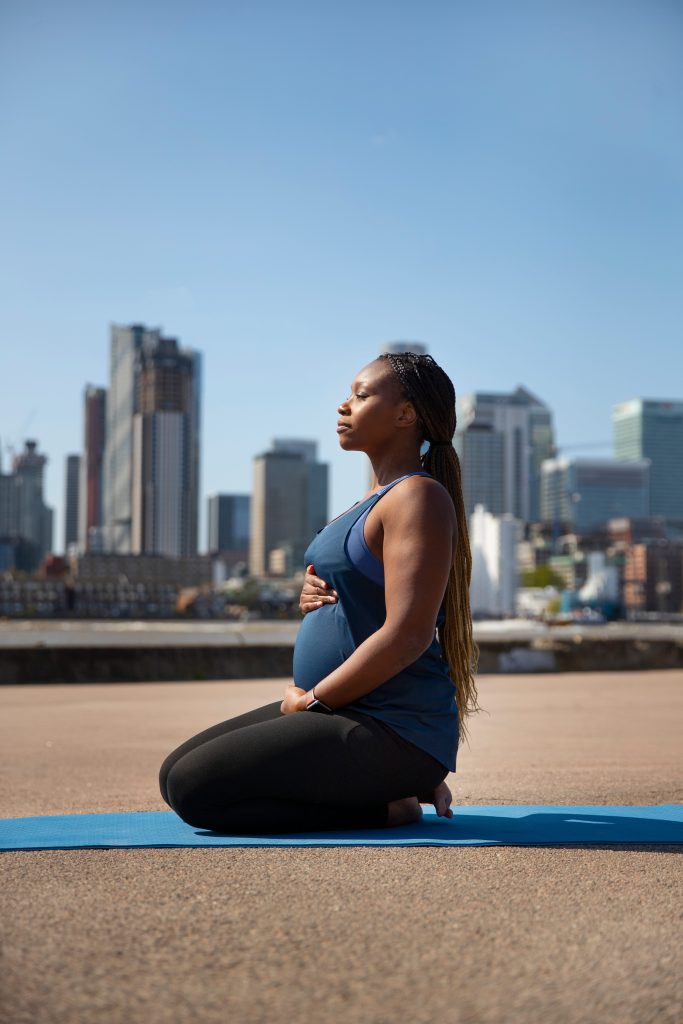
For most uncomplicated pregnancies, moderate exercise is safe and beneficial. However, you should always check with your doctor or obstetrician before starting any new exercise programme during pregnancy and ensure appropriate monitoring. Moderate exercise during pregnancy supports heart health, mental wellbeing, and reduces the risk of gestational diabetes.
After childbirth, recovery should be progressive because your body needs time to heal.
General guidance postpartum includes:
- Start with walking before returning to high-impact exercise
- Avoid heavy lifting or running until strength and pelvic control improve
- Seek professional input if you experience leaking, heaviness, or pain
Perimenopause and Menopause: Protecting Muscle and Bone
During perimenopause and menopause, declining oestrogen levels can contribute to muscle loss and reduced bone strength [2]. Strength training becomes even more important at this stage to preserve muscle mass and maintain bone density, helping to prevent osteoporosis.
Loss of bone density increases fracture risk, something that becomes more common later in life, particularly for women.
At this stage, you may notice:
- Slower recovery
- Increased joint stiffness
- Changes in sleep
- Reduced tolerance for very high-intensity training
If recovery feels slower than it used to, that is normal. Prioritise sleep, allow rest days, and avoid increasing training volume too quickly.
Recovery: The Part Most Women Ignore
Exercise breaks your muscles down slightly. Recovery is when your body rebuilds them stronger.
Sleep is essential for proper recovery, as poor sleep can affect your hormones and increase your risk for injury[11]. Nutrition matters too in the form of adequate protein intake that supports muscle repair [12].
If you feel constantly fatigued, sore for many days after exercise, or notice declining performance, you may be doing too much without enough recovery.

Conclusion
Your body as a woman will change across your life, and that is normal. Your hormones will shift, your recovery may feel different at different stages, and your strength may fluctuate from month to month. None of this means you should stop exercising. It just means your approach should evolve with you.
References
- American College of Sports Medicine. (2009). Progression models in resistance training for healthy adults. Medicine & Science in Sports & Exercise, 41(3), 687–708.
- North American Menopause Society. (2021). The 2021 position statement on the management of osteoporosis in postmenopausal women. Menopause, 28(9), 973–997.
- World Health Organization. (2020). WHO guidelines on physical activity and sedentary behaviour. Geneva: WHO.
- International Olympic Committee. (2018). IOC consensus statement on menstrual cycle and athletic performance. British Journal of Sports Medicine, 52(24), 1537–1547.
- Sung, E., Han, A., Hinrichs, T., Vorgerd, M., & Manchado, C. (2014). Effects of menstrual cycle-based resistance training on muscle strength and body composition. Journal of Strength and Conditioning Research, 28(4), 1147–1152.
- Stacy Sims. (2016). ROAR: How to Match Your Food and Fitness to Your Unique Female Physiology. Rodale Books.
- American College of Obstetricians and Gynecologists. (2020). Physical activity and exercise during pregnancy and the postpartum period. Committee Opinion No. 804.
- Zhao, R., Zhao, M., & Xu, Z. (2015). The effects of resistance training on bone mineral density in postmenopausal women: A meta-analysis. Osteoporosis International, 26(1), 45–59.
- National Sleep Foundation. (2015). Sleep duration recommendations: Consensus statement of the National Sleep Foundation. Sleep Health, 1(1), 40–43.
- Morton, R. W., Murphy, K. T., McKellar, S. R., et al. (2018). A systematic review, meta-analysis and meta-regression of protein supplementation on resistance training–induced gains in muscle mass and strength in healthy adults. British Journal of Sports Medicine, 52(6), 376–384.
- National Sleep Foundation. (2015). Sleep duration recommendations. Sleep Health, 1(1), 40–43.
- Morton, R.W. et al. (2018). Protein supplementation and resistance training: A meta-analysis. British Journal of Sports Medicine, 52(6), 376–384.
Author

Lolitaire Moyo-Healey
M.Ost DO, UKIHCA-RHC, Founder, Registered Osteopath, Mindfulness Practitioner, Accredited Health + Life Coach