The Power of Plant-Based Foods in Protecting Heart Health
Written by Professor Stephen Mashingaidze and Rumbidzai Mukori-William for BonVie Medical Aid scheme
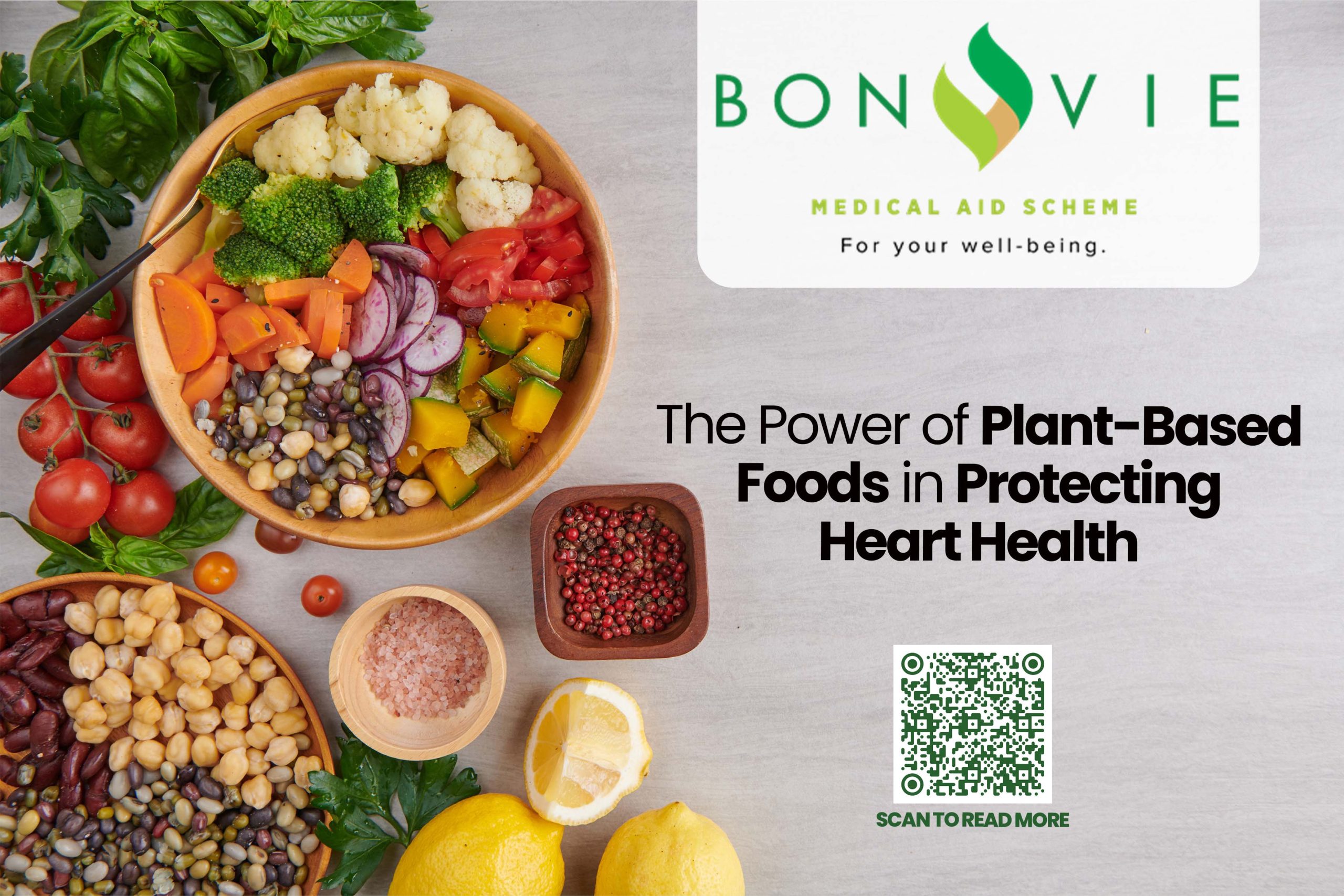
Plant-based foods are common as a staple in Africa, Asia, and certain parts of America. Due to the climate, geography, and financial implications. These are rich in essential nutrients, fiber, and antioxidants, making them an ideal choice for maintaining cardiovascular health. A diet rich in plant-based foods has been shown to reduce the risk of CVD, including heart attacks, strokes, and high blood pressure.
Benefits of Plant-Based Foods for Heart Health
Rich in Antioxidants: Fruits, vegetables, and whole grains are packed with antioxidants like vitamins C and E, which help reduce oxidative stress and inflammation, lowering CVD risk.
Fiber Content: Plant-based foods are high in dietary fiber, which can help lower cholesterol levels and improve blood lipid profiles.
Phytoestrogens: Legumes, nuts, and seeds contain phytoestrogens, which may help regulate blood pressure and improve vascular function.
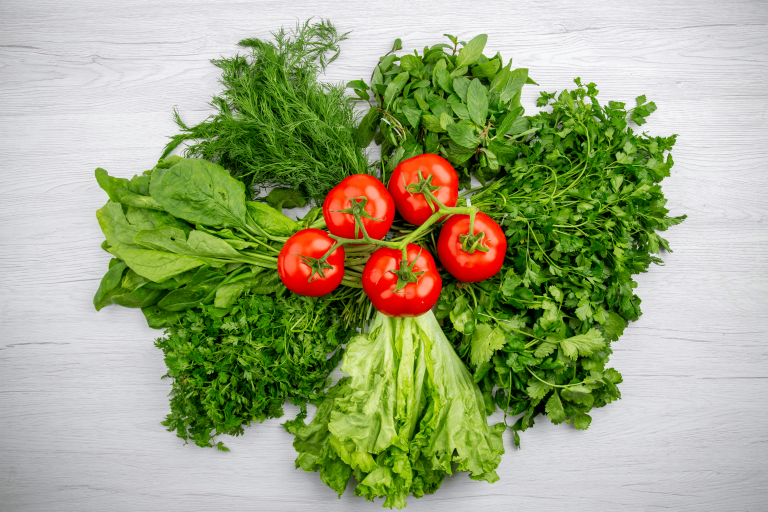
Potassium-Rich: Many plant-based foods, like leafy greens and fruits, are rich in potassium, which can help lower blood pressure.
Picture courtesy of Freepik
Traditional Zimbabwean Plant-Based Foods
Sadza: Whole grain maize meal is a staple food in Zimbabwe, rich in fiber and essential nutrients.
Leafy Greens: Rape, spinach, and collard greens are abundant in Zimbabwe, packed with antioxidants and fiber.
Fruits: Mango, papaya, and citrus fruits are rich in vitamins and antioxidants.
Legumes: Beans, lentils, and peas are excellent sources of protein and fiber.
Nuts and Seeds: Peanuts and pumpkin seeds are rich in healthy fats and antioxidants.
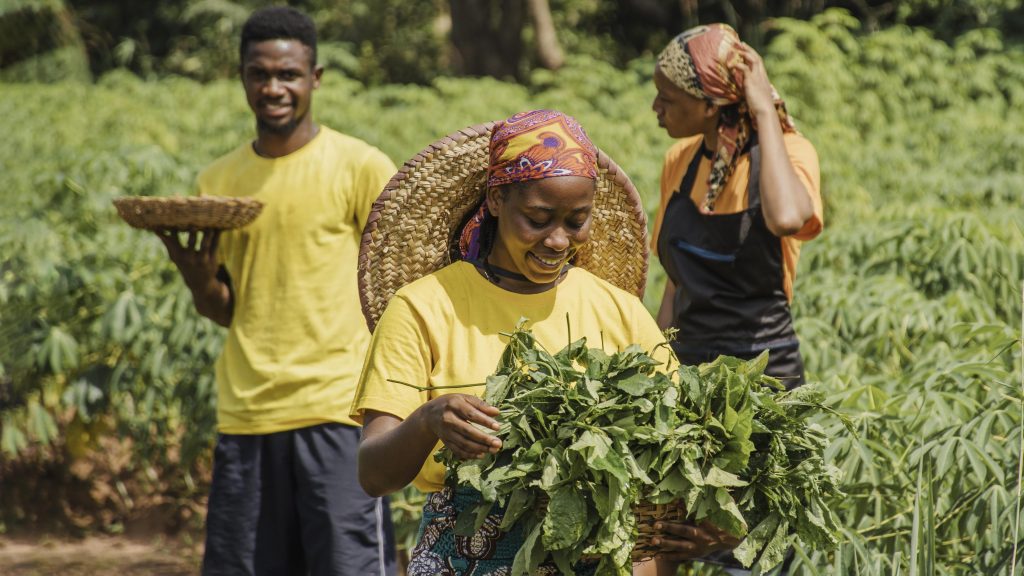
Cassava: A staple crop, providing up to 37% of the region’s dietary energy intake.
Bananas: Rich in potassium, vitamins C and B6, and dietary fiber.
Incorporating Plant-Based Foods into Daily Meals
Start with Small Changes: Incorporate one or two plant-based meals into your daily routine.
Explore Traditional Recipes: Try traditional Zimbabwean recipes like sadza with leafy greens or vegetable stews.
Make a Grocery List: Stock up on plant-based staples like whole grains, legumes, and nuts.
Get Creative: Experiment with new recipes and ingredients to keep your diet interesting.
Picture courtesy of Freepik
Case Studies: Plant-Based Diets in Zimbabwe
Picture courtesy of Freepik
Rural Zimbabwe: A study found that rural Zimbabweans who consumed a traditional plant-based diet had lower rates of CVD and improved overall health.
Urban Zimbabwe: A study in Harare found that urban residents who incorporated plant-based foods into their diet had improved cardiovascular health and reduced CVD risk.
Chinyakare Nutritional Practices
Chinyakare (traditional) nutritional practices play a significant role in Zimbabwean culture and health. These traditional foods support overall health and can help manage conditions like CVD, diabetes, and anemia.
Conclusion
Incorporating plant-based foods into your diet is a simple yet effective way to protect heart health. By embracing traditional Zimbabwean foods and making small changes to your daily routine, you can reduce your risk of CVD and improve overall health.
References
1. Mashingaidze, S., & Mukori-William, R. (2025). Fully Enrich Nutrition Clinic. 2. Sanz M, et al. (2020). Periodontitis and cardiovascular diseases. Journal of Clinical Periodontology, 47(S22), 3-14. 3. Lee, T., et al. (2022). The heart-oral health connection. Harvard Medical School Publications, 12-15. 4. Reyes, L., et al. (2013). Oral bacteria in cardiovascular disease. Journal of Dental Research, 92(11), 992-998. 5. FAO. (2019). Cassava in Southern Africa. 6. BioCassava Plus Program. (2020). Enhancing cassava nutrition.