
Written by Lolitaire Moyo-Healey. M.Ost DO, UKIHCA-RHC for BonVie Medical Aid scheme
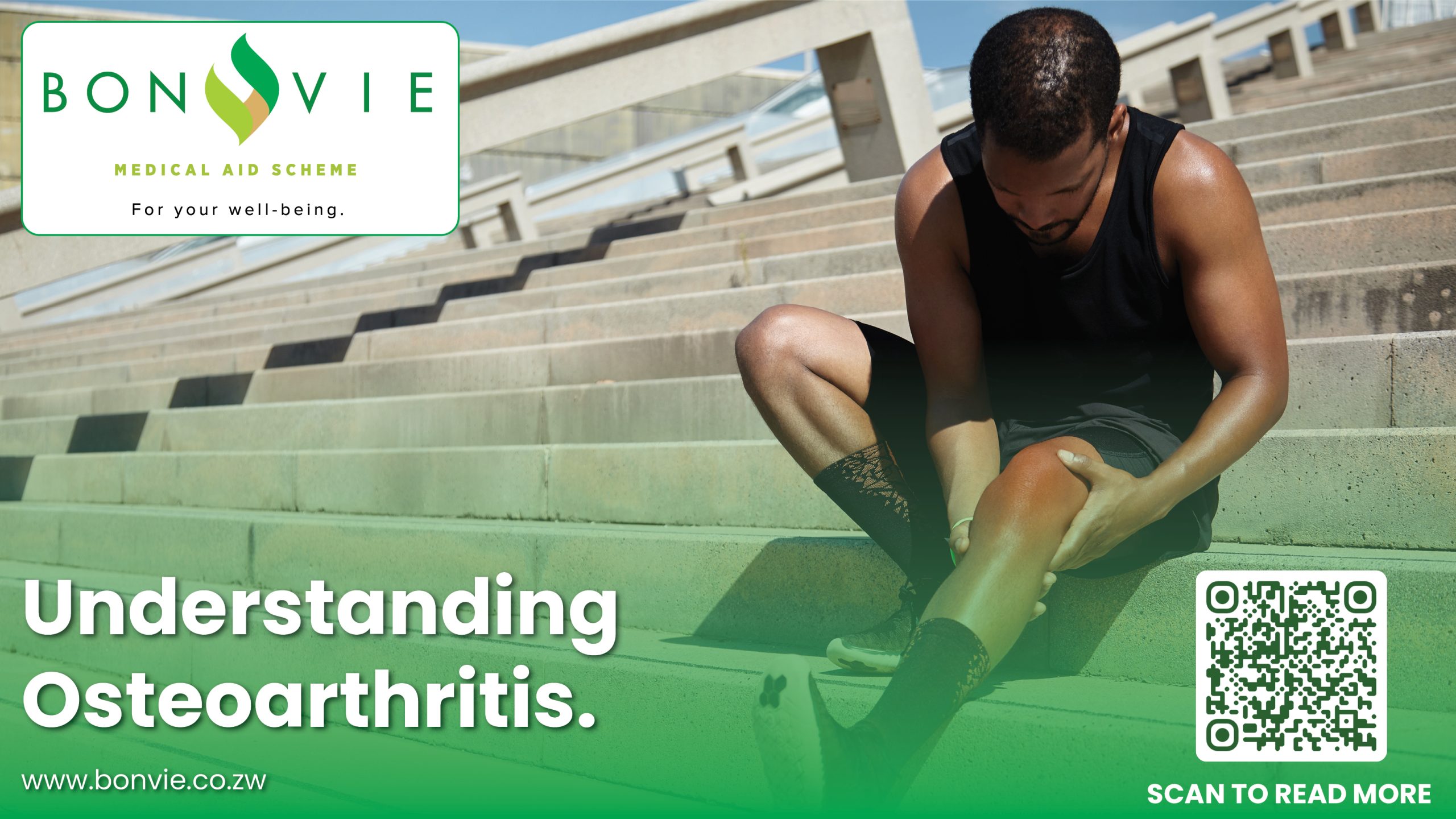
Osteoarthritis is one of the most common causes of pain and disability among older adults in Zimbabwe, most commonly affecting the knees, hips, and hands [1,2]. It often starts as a mild ache when walking, stiffness after sitting, or discomfort when standing up. Over time, these early signs can progress to persistent pain, swelling, and reduced mobility.
What is Osteoarthritis?
Osteoarthritis is a condition in which the protective cartilage that cushions the joints slowly wears down over time. Cartilage allows the bones to glide smoothly against each other during movement and provides cushioning and shock absorption during activity. Early osteoarthritis involves changes in the joint space due to decreased cartilage. More severe osteoarthritis involves complete wearing down of cartilage, leading to bone-on-bone contact. This causes inflammation, pain, stiffness, and changes in the shape of the joint [2].
Osteoarthritis most commonly affects the knees, hips, spine, and hands. The knees are particularly vulnerable as they carry much of the body’s weight and are constantly used for walking, bending, squatting, lifting, and standing for long periods of time.
Although osteoarthritis is more common with increasing age, it is not only an “old age” condition. Many people in their 30s and 40s develop symptoms, particularly when there are contributing lifestyle or work-related factors such as physically demanding work, previous injury, or prolonged sitting [2].
Common signs and symptoms
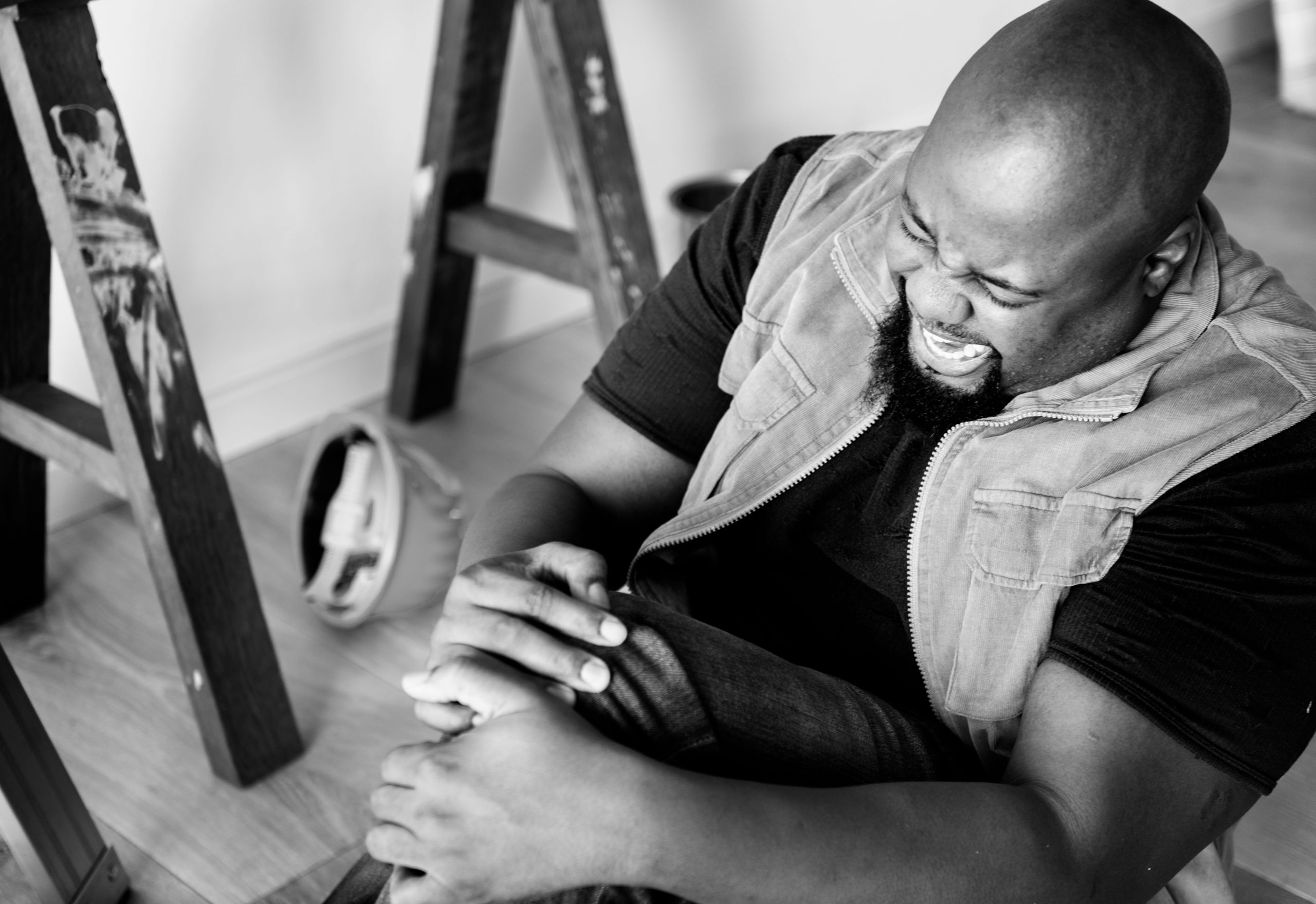
Osteoarthritis usually develops gradually, which makes it easy to overlook in the early stages. Common symptoms include:
- Joint pain during or after movement
- Stiffness, especially in the morning or after sitting for long periods
- Reduced ability to bend or straighten a joint
- Swelling or tenderness around the joint
- A grinding or clicking sensation during movement
For people who spend long hours sitting at desks, commuting in traffic, or performing repetitive physical labour, these symptoms may slowly worsen over time [2].
What causes flare-ups?
A flare-up is a sudden increase in pain compared to your usual baseline of pain or discomfort. Flare-ups are a normal part of living with osteoarthritis. Periods of increased pain may be triggered by changes in activity levels, prolonged inactivity, stress, or poor sleep. Understanding that flare-ups are temporary, and having strategies to manage them, can reduce fear and help maintain confidence in movement [5]. In order to manage flare-ups, it is important to identify your personal triggers. Common causes of osteoarthritis flare-ups include increases in activity, reduced sleep and recovery, prolonged inactivity (such as long car journeys or commuting), hormonal changes, and increased stress levels [2,3].
How osteoarthritis affects daily life
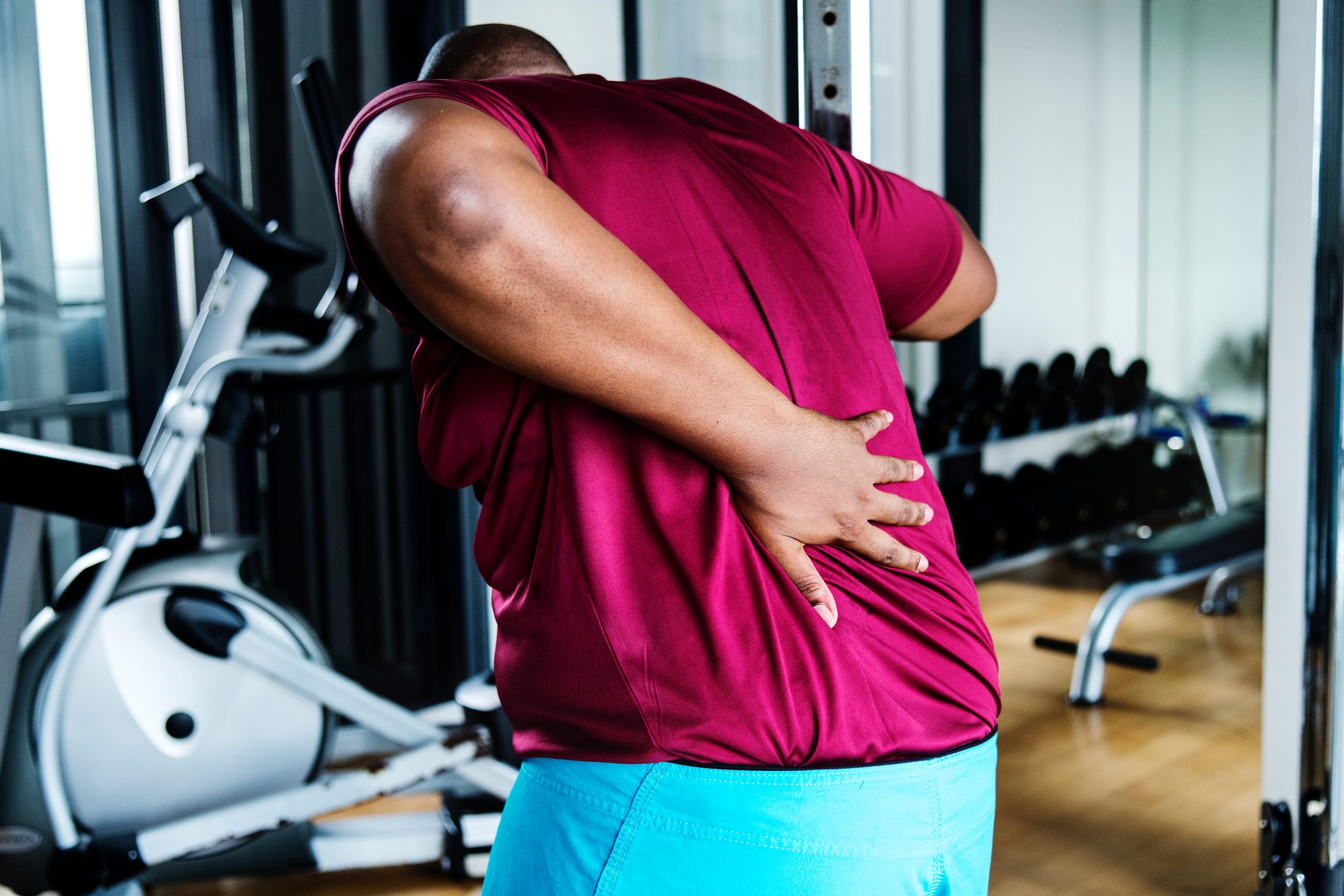
As osteoarthritis progresses, pain may limit movement and levels of physical activity. Reduced physical activity can then lead to muscle weakness, weight gain, and poor balance, increasing the risk of falls and further joint strain [2,3]. Over time, this cycle can affect not only physical health but also mental and emotional wellbeing, independence, and participation in family and community life [3].
For individuals who were once very active, this transition can be particularly difficult to navigate. Chronic pain associated with aging often reshapes how people see themselves and how families and communities respond to illness [3].
Why early action matters
Seeking help early can make a significant difference. Early intervention has been shown to improve pain, maintain function, and reduce long-term disability [4]. Early identification and management of osteoarthritis can reduce pain, slow disease progression, and delay or even prevent the need for surgery. You do not have to wait until the pain becomes unbearable to take action.
What you can do to manage osteoarthritis
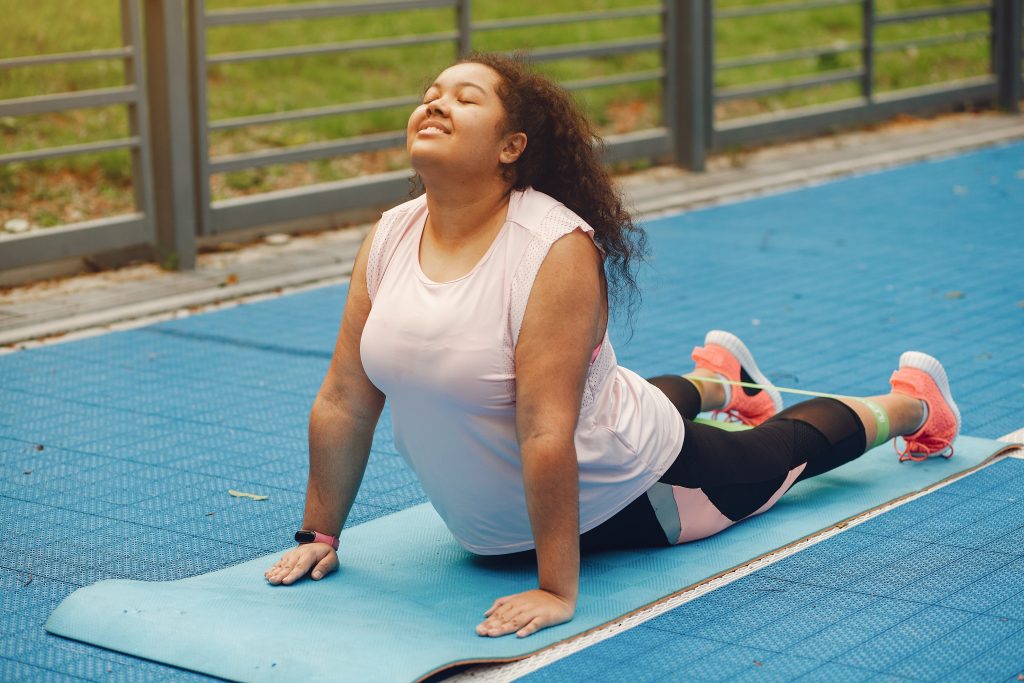
Managing osteoarthritis in Zimbabwe requires practical and culturally appropriate approaches [3]. Osteoarthritis is a manageable condition, and there are many effective strategies available.
- Gentle, regular physical activity – Exercise is one of the most effective treatments for osteoarthritis. Strengthening the muscles around the painful joint reduces stress on the joint, while activities such as walking, cycling, or swimming help reduce stiffness and improve mobility [3].
- Manage body weight – Increased body weight places significantly more load on joints, especially the knees and hips. Even modest weight loss (around 5 kg) can lead to noticeable reductions in pain and improved joint function.
- Use supportive treatments when needed – Develop a personal “pain flare toolkit” – a list of strategies that help you during flare-ups. This may include pain-relieving medication (such as paracetamol or anti-inflammatories), topical creams, manual therapy such as Osteopathy or Physiotherapy, massage, braces, ice packs, supportive footwear, or walking aids when needed [2,3].
- Understand your pain – Learning how osteoarthritis pain works, including why flare-ups happen, can reduce fear and improve confidence in movement. Education and self-management are key components of long-term osteoarthritis care [3].
Conclusion: Living well with osteoarthritis
Osteoarthritis is increasingly common due to ageing populations and rising obesity rates, but it is a manageable condition. Maintaining movement, managing weight, addressing pain early, and understanding that change is possible can help you remain active and independent for longer.
Osteoarthritis does not have to define aging. With the right support and strategies, you can continue to move, participate, and live well.
References
- World Health Organization. (2023). Osteoarthritis.
- Kloppenburg, M., Namane, M., & Cicuttini, F. (2025). Osteoarthritis. The Lancet, 405(10472), 71–85.
- Keller, M. M., & Sankah, B. (2025). Implementation of best-evidence rehabilitation for hip, knee and hand osteoarthritis in Africa: A cause for concern. Osteoarthritis and Cartilage Open, 7(2), 100606.
- National Institute for Health and Care Excellence. (2022). Osteoarthritis: Care and management.
- Arthritis Foundation. (2023). Osteoarthritis overview.
Author

Lolitaire Moyo-Healey
M.Ost DO, UKIHCA-RHC, Founder, Registered Osteopath, Mindfulness Practitioner, Accredited Health + Life Coach

Thank you very much. This is very easy to understand and as a Life Coach, well worth sharing.
My brother recommended I might like this website.
He was totally right. This post truly made my day. You cann’t imagine simply how much time I had spent for this information! Thanks!