
Written by Professor Stephen Mashingaidze and Rumbidzai Mukori-William for BonVie Medical Aid scheme

Diabetes was first described as a disease causing excessive and sweet urination, over 3500 years ago. Before a more accurate description was given by Aretaeus, who named it Diabetes and later on Mellitus was added by another scientist. This chronic metabolic disorder disease is characterized by high blood glucose levels, which can lead to serious complications if left unmanaged (1). According to the International Diabetes Federation, approximately 463 million adults worldwide are living with diabetes, with this number expected to rise to 700 million by 2045 (2).
Types of Diabetes
There are three main types of diabetes: Type 1, Type 2, and Gestational diabetes. Type 1 diabetes is an autoimmune disease where the body’s immune system attacks and destroys the insulin-producing beta cells in the pancreas (3). Type 2 diabetes is the most common form, accounting for around 90% of all diabetes cases, and is often linked to insulin resistance and impaired insulin secretion (4). Gestational diabetes is a temporary condition that occurs during pregnancy, typically resolving after childbirth (5).

Symptoms and Diagnosis
Common symptoms of diabetes include increased thirst and urination, fatigue, blurred vision, and slow wound healing (6).
Diagnosis is typically made through a combination of physical examination, medical history, and laboratory tests, including fasting plasma glucose, oral glucose tolerance test, and glycated hemoglobin (HbA1c) test (7). HbA1 is used to determine blood sugar readings over a period of 3 months and offers a more comprehensive assessment of the level of risk for other diseases related to high blood sugar.
Management and Treatment

Effective diabetes management involves a comprehensive approach, including lifestyle modifications, medication, and regular monitoring. Lifestyle changes include a healthy diet, with each diet being personalized, as underlying health conditions need to be taken note of for optimal results. Engaging in regular physical activity is important for better management of blood sugar and overall weight. (8). Medications may include oral hypoglycemic agents, insulin therapy, or a combination of both (9). Regular monitoring of blood glucose levels, blood pressure, and lipid profiles is crucial to prevent complications (10).
Lifestyle Modifications
A healthy diet is essential for diabetes management, focusing on whole, unprocessed foods, such as fruits, vegetables, whole grains, lean proteins, and healthy fats (11). Regular physical activity, such as walking, can help improve insulin sensitivity and reduce blood glucose levels (12). Weight management is also crucial, as excess weight can exacerbate insulin resistance (13).
Medications and Insulin Therapy
Oral hypoglycemic agents, such as metformin, work by decreasing hepatic glucose production and increasing insulin sensitivity (14). Insulin therapy involves administering insulin via injection or pump, with different types of insulin available, including rapid-acting, short-acting, intermediate-acting, and long-acting insulin (15).
Monitoring and Complications Prevention
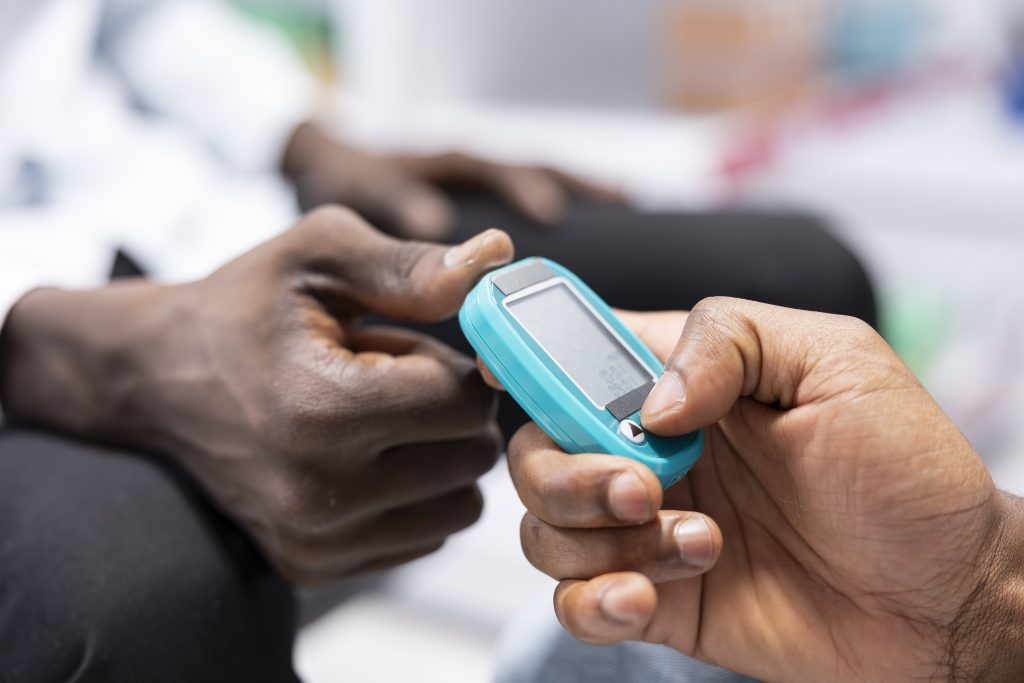
Regular monitoring of blood glucose levels is crucial to prevent complications, such as hypoglycemia, hyperglycemia, and diabetic ketoacidosis (16). Blood pressure and lipid profiles should also be regularly monitored to prevent cardiovascular complications (17). Foot care and regular eye exams are also essential to prevent diabetes-related complications (18).

Diabetes in Zimbabwe
In Zimbabwe, approximately 106,400 adults are living with diabetes, representing a prevalence of 1.5% in the adult population. However, the Zimbabwe Diabetic Association estimates that as many as 10 out of every 100 people in the country have diabetes, including children. This is likely due to factors such as sedentary lifestyles, obesity, and unhealthy eating habits. The impact of diabetes on mental health is significant, with 77% of people living with diabetes experiencing anxiety, depression, or another mental health condition. In Zimbabwe, the mental health care gap is stark, with less than 20 psychiatrists available for the country’s population of 16 million. Diabetes can lead to feelings of worry, fear, and being on edge, making it challenging to manage the condition effectively.
Conclusion
Diabetes is a complex and multifaceted disease, requiring a comprehensive approach to management. By understanding the causes, symptoms, and treatment options, individuals with diabetes can effectively manage their condition and prevent complications. Lifestyle modifications, medications, and regular monitoring are all crucial components of diabetes management.
References
1. American Diabetes Association. (2020). Diabetes basics.
2. International Diabetes Federation. (2019). IDF Diabetes Atlas 9th Edition.
3. Atkinson, M. A., & Eisenbarth, G. S. (2001). Type 1 diabetes: new perspectives on disease pathogenesis and treatment. The Lancet, 358(9294), 221-229.
4. DeFronzo, R. A. (2004). Pathogenesis of type 2 diabetes mellitus. Medical Clinics of North America, 88(4), 787-835.
5. American Diabetes Association. (2020). Gestational diabetes.
6. Mayo Clinic. (2020). Diabetes symptoms.
7. World Health Organization. (2016). Diabetes diagnosis and management.
8. American Diabetes Association. (2020). Lifestyle management.
9. National Institute of Diabetes and Digestive and Kidney Diseases. (2020). Diabetes treatment.
10. American Diabetes Association. (2020). Standards of medical care in diabetes-2020.
11. Academy of Nutrition and Dietetics. (2020). Diabetes diet.
12. American Heart Association. (2020). Physical activity and diabetes.
13. National Institute of Diabetes and Digestive and Kidney Diseases. (2020). Weight management and diabetes.
14. American Diabetes Association. (2020). Oral medications for type 2 diabetes.
15. American Diabetes Association. (2020). Insulin therapy.
16. American Diabetes Association. (2020). Hypoglycemia and hyperglycemia.
17. American Heart Association. (2020). Blood pressure and diabetes.
18. American Diabetes Association. (2020). Foot care and diabetes.
Authors



Its rather sad that BONVIE does not cover CGMs or/and pumps, not even half. This can make a huge difference for people living with type 1 like myself, and most impotantly children living with the autoimmune disease. Please look into it