Written by Professor Stephen Mashingaidze and Rumbidzai Mukori-William for BonVie Medical Aid scheme

Western diet is convenient, fast to prepare and delicious. One of the most popular food diets in the world, but it has shown to be the cause of the ever increasing disease burden globally. With prostate cancer being one of the diseases that are of health concern for men worldwide (1). While medical treatment is essential, nutrition plays a crucial role in prevention and management (2). A well-balanced diet can help reduce the risk of developing prostate cancer or slow its progression (3).
Key Nutrients for Prostate Health
- Lycopene: An antioxidant found in tomatoes, lycopene has been shown to reduce prostate cancer risk (4).
- Omega-3 fatty acids: Found in fatty fish, omega-3s may help reduce inflammation and promote overall health (5). Whether plant based or animal sources, it is important to look out for the correct Alpha Linoleic Acid and docosapentaenoic acid ratio, as it will determine how effective the supplement is.
- Vitamin D: Important for overall health, vitamin D deficiency has been linked to increased prostate cancer risk (6). Foods such as sun dried vegetables or fish are excellent sources, these can be done at home or bought from reputable suppliers.
- Selenium: An antioxidant that may help protect cells from damage (7). By reducing inflammation in the prostate gland, which over time can lead to disease or cancer if left unattended to.
- Zinc: Essential for immune function and may help reduce prostate cancer risk (8). Abundant in seeds especially pumpkin, sesame and sunflower, these help keep epithelium cells healthy and ensure that the gland is working optimally.
Foods that May Help
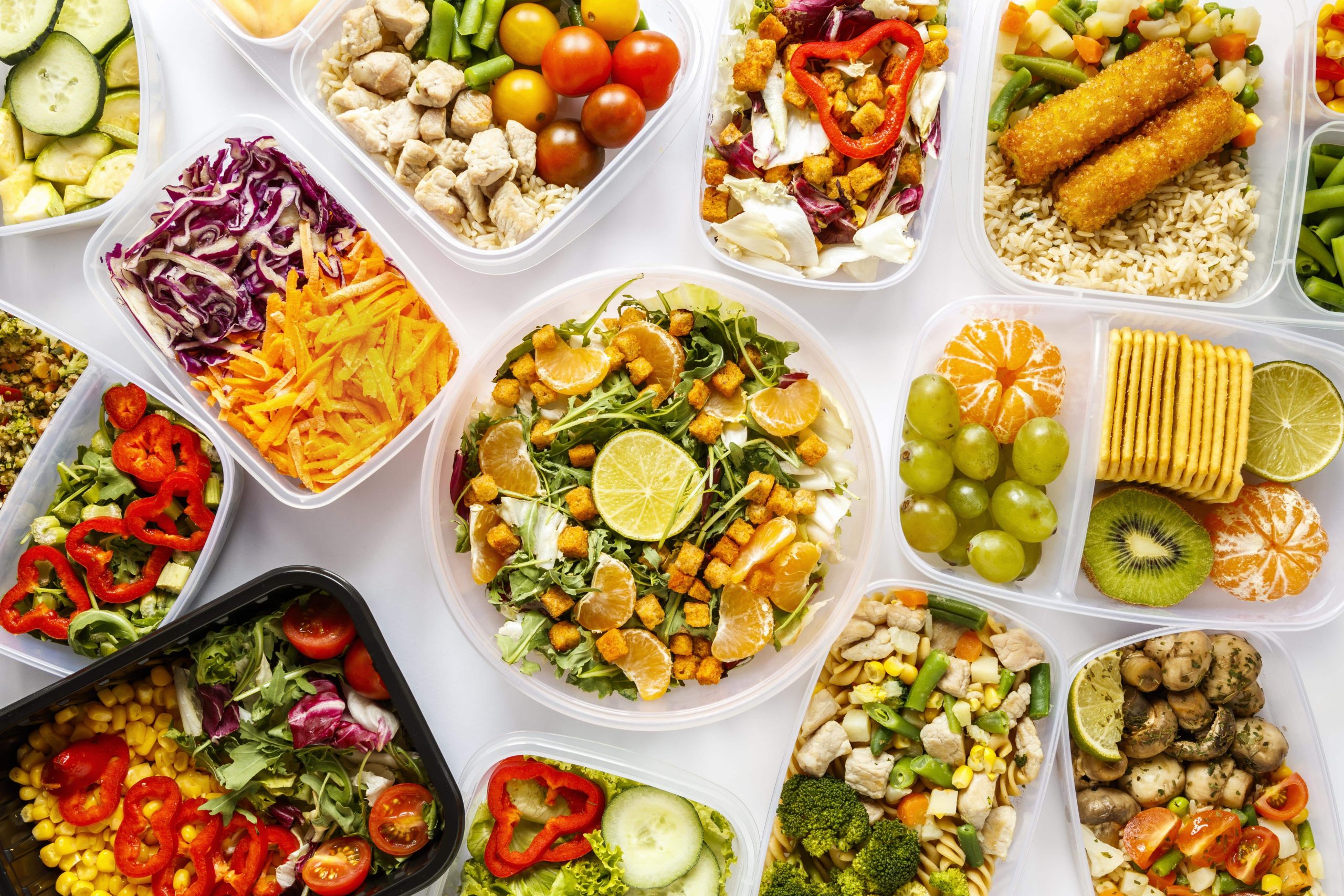
- Tomatoes: Lycopene-rich tomatoes may reduce prostate cancer risk (9). Best eaten raw, as a puree, cooked or pan fried it offers immense health benefits for men’s health.
- Cruciferous vegetables: Broccoli, cauliflower, and kale contain sulforaphane, which may have anti-cancer properties (10).
- Garlic: Garlic has high allicin levels in and consuming 2 grams of garlic per day, reduces risk by 53% according to a study conducted by National Cancer Institute.
- Onions: Onions have anti-inflammatory properties that neutralize free radicals and inhibit growth of cancer cells in the prostate gland.
- Fatty fish: Fatty fish like salmon, tuna, and mackerel are rich in omega-3 fatty acids (11).
- Green tea: Catechins in green tea may have anti-cancer properties (12).
- Whole grains: Whole grains like brown rice, quinoa, and whole wheat may help reduce inflammation (13).
- Dried fruits are excellent for prostate health, whether berries or dates or raisins or masawu or nyii are high in antioxidants.

Dietary Patterns for Prostate Health
- Mediterranean diet or African diet: Emphasizes whole grains, fruits, vegetables, and healthy fats (14).
- Plant-based diet: Focuses on plant foods, legumes, and whole grains (15).
Benefits of a Balanced Diet
- Reduces inflammation: A balanced diet may help reduce chronic inflammation (16).
- Supports immune function: A well-nourished body is better equipped to fight off diseases (17).
- May reduce prostate cancer risk: A diet rich in fruits, vegetables, and whole grains may help reduce prostate cancer risk (18).
Foods to Limit or Avoid
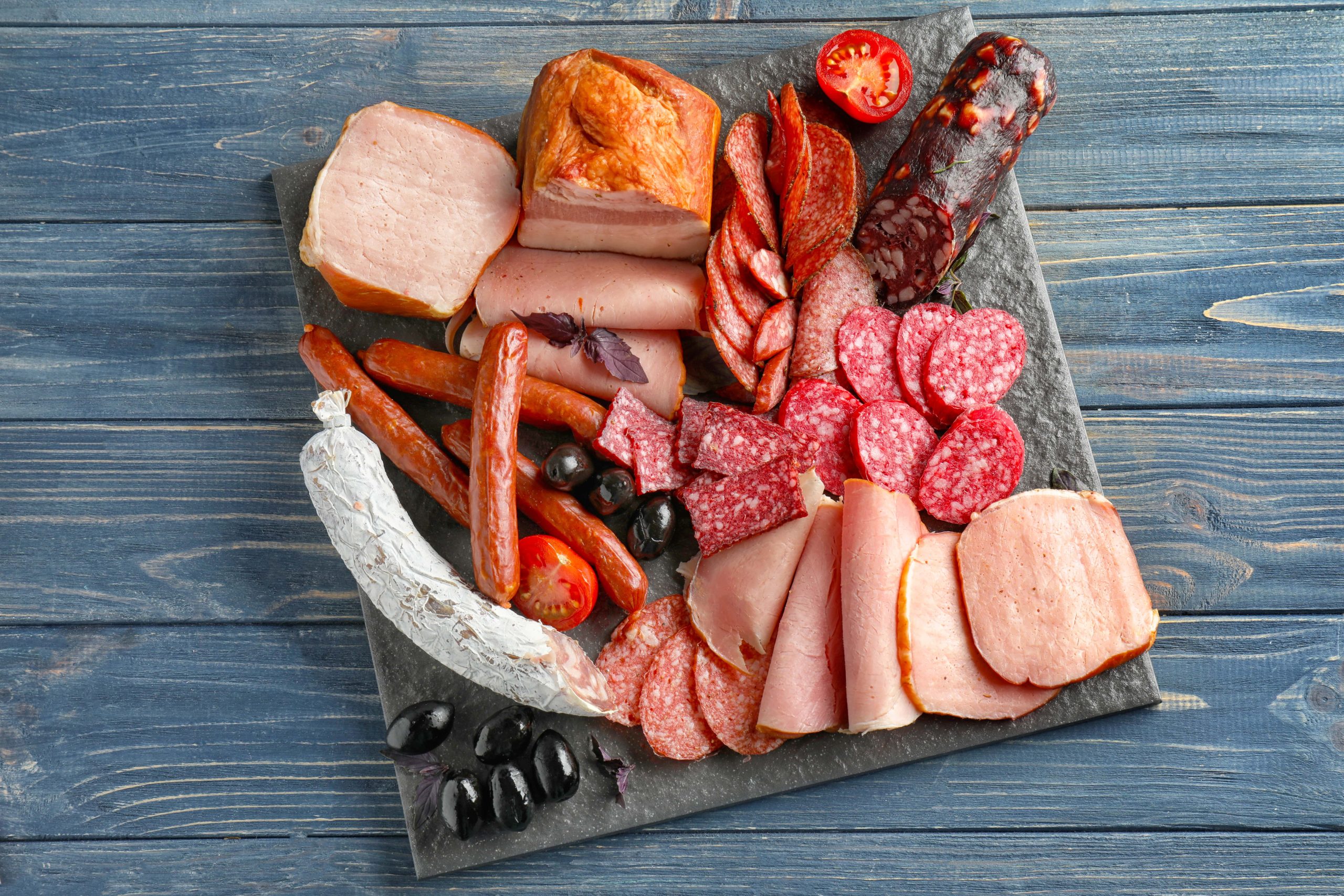
- Processed meat: Processed meat like sausages and bacon may increase prostate cancer risk (19). Although recent findings have
suggested that meat treated with nitrites increase risk of cancers as compared to other ingredients used during curing. - Red meat: High consumption of red meat may increase prostate cancer risk (20).
- Dairy products: High dairy consumption may increase prostate cancer risk (21).
Conclusion
Nutrition plays a crucial role in prostate cancer prevention and management. A well-balanced diet rich in fruits, vegetables, whole grains, and healthy fats may help reduce prostate cancer risk (22).
References
1. World Health Organization. (2018). Diet, nutrition, and the prevention of chronic diseases.
2. American Cancer Society. (2022). Prostate Cancer Facts & Figures.
3. National Cancer Institute. (2022). Prostate Cancer Prevention.
4. Giovannucci E, et al. (2002). A prospective study of tomato products, lycopene, and prostate cancer risk. Journal of the National Cancer Institute, 94(5), 391-398.
5. Simopoulos AP. (2002). Omega-3 fatty acids in health and disease and in growth and development. The American Journal of Clinical Nutrition, 76(1), 1-6.
6. Schwartz GG, et al. (2014). Vitamin D and prostate cancer risk: A review. Journal of Steroid Biochemistry and Molecular Biology, 144, 274-283.
7. Rayman MP. (2012). Selenium and human health. Lancet, 379(9822), 1256-1268.
8. Costello LC, et al. (2011). Zinc and prostate cancer: A review. Journal of Biological Inorganic Chemistry, 16(3), 397-406.
9. Giovannucci E, et al. (1999). Intake of carotenoids and retinol in relation to risk of prostate cancer. Journal of the National Cancer Institute, 91(23), 1993-2001.
10. Zhang Y, et al. (2014). Sulforaphane, a dietary component of cruciferous vegetables, inhibits prostate cancer growth. Journal of Nutrition, 144(12), 2241-2248.
11. Simopoulos AP. (2006). Evolutionary aspects of diet, the omega-6/omega-3 ratio and genetic variation: nutritional implications for chronic diseases. Biomedicine & Pharmacotherapy, 60(9), 502-507.
12. Khan N, et al. (2018). Green tea catechins in chemoprevention of prostate cancer: A review. Nutrients, 10(11), 1746.
13. Aune D, et al. (2016). Whole grain consumption and risk of cardiovascular disease, cancer, and all-cause mortality—a systematic review and dose-response meta-analysis of prospective studies. Nutrients, 8(9), 554.
14. Trichopoulou A, et al. (2014). Mediterranean diet and longevity. Molecular Aspects of Medicine, 40, 12-21.
15. Huang T, et al. (2016). Cardiovascular disease mortality and cancer incidence in vegetarians: A meta-analysis and systematic review. Annals of Nutrition and Metabolism, 68(2), 113-122.
16. Giardiello FM, et al. (2016). Effects of a Mediterranean diet on inflammation. World Journal of Gastroenterology, 22(2), 645-655.
17. Childs CE, et al. (2019). Nutrition and immune function. Nutrition, 63, 123-133.
18. Turati F, et al. (2018). Fruit and vegetable intake and risk of prostate cancer: A systematic review and meta-analysis. Nutrients, 10(11), 1745.
19. World Health Organization. (2018). Q&A on the carcinogenicity of processed meat.
20. Aune D, et al. (2018). Red meat consumption and mortality: A systematic review and meta-analysis of prospective studies. Nutrients, 10(10), 1521.
21. Aune D, et al. (2018). Dairy products and risk of prostate cancer: A systematic review and meta-analysis. Nutrients, 10(10), 1515.
22. World Cancer Research Fund/American Institute for Cancer Research. (2018). Diet, nutrition, physical activity and prostate cancer.
Authors