Written by Professor Stephen Mashingaidze and Rumbidzai Mukori-William for BonVie Medical Aid scheme
Hormones are very powerful signals in the human body that can have profound impact on one’s mood, behaviour and overall health. It is important to take note that hormone levels begin to fluctuate from the moment one wakes up, with factors such as sleep quality, metabolism and homeostasis having an impact on the body. Slight changes in the normal or baseline hormonal levels are linked to health ailments, hence hormonal imbalances play a crucial role in the development and progression of breast cancer. Estrogen and progesterone, two essential hormones in the female body, can fuel the growth of cancer cells when out of balance. In this article, we will explore the relationship between hormonal imbalances, breast cancer, and strategies for treatment and management [1].
Understanding Hormonal Imbalances
Hormones are chemical messengers that regulate various bodily functions, including growth, development, and metabolism. Estrogen and progesterone are two hormones that play a vital role in breast health. Estrogen promotes cell growth and division, while progesterone helps regulate the menstrual cycle and prepares the breasts for milk production. In males, having a higher % of female hormones than testosterone, also increases risk of breast cancer. [2]. Other factors such as high alcohol consumption levels, liver disease, excess body weight and conditions related to testicle health increase the risk of breast cancer in men.
The Link Between Hormonal Imbalances and Breast Cancer
Hormonal imbalances can contribute to the development of breast cancer in several ways:
– Estrogen dominance: High levels of estrogen can stimulate the growth of cancer cells, particularly in hormone receptor-positive breast cancer. Symptoms such as weight gain, heavy menses, hair loss,acne and fibrocystic breasts[3].
– Progesterone imbalance: Progesterone helps regulate estrogen levels and maintain breast health. An imbalance can lead to estrogen dominance and increased breast cancer risk. Symptoms such as breast tenderness, vaginal dryness, premature aging and joint pains. [4].
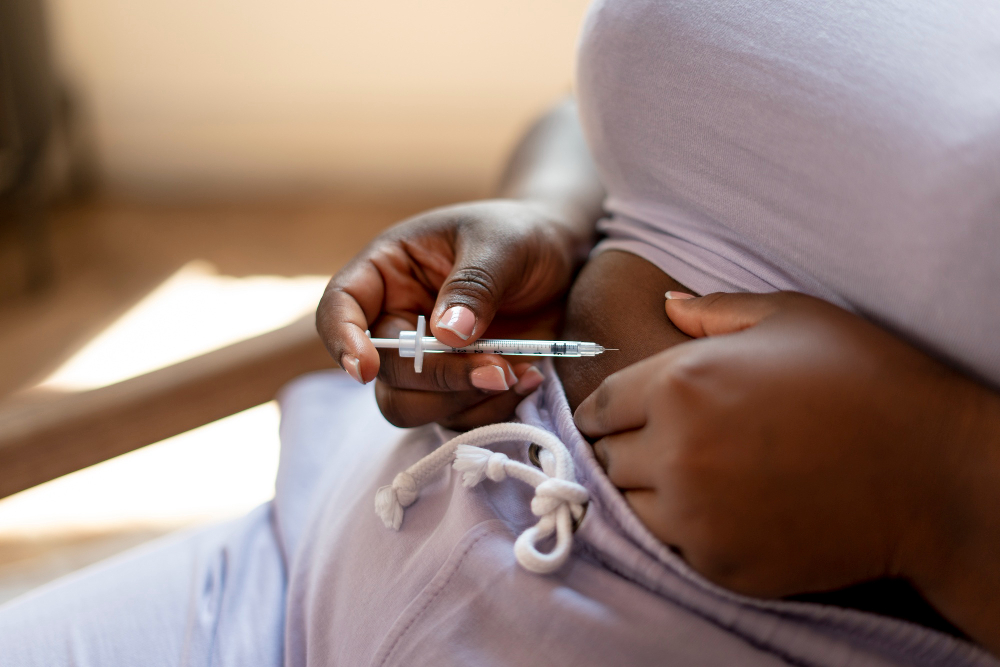
– Insulin resistance: Insulin resistance, often associated with hormonal imbalances, can increase breast cancer risk by promoting inflammation and cell growth [5].
Image Courtesy of Freepik
Strategies for Treatment and Management
A comprehensive approach to treating hormonal imbalances and breast cancer involves a combination of conventional and holistic therapies.
Conventional Therapies
– Hormone therapy: Medications like tamoxifen and aromatase inhibitors can help block estrogen receptors or reduce estrogen production. These are diagnosed by medical health care specialists and duration of treatment, will vary based on the individual diagnosis. [6].
– Surgery: Surgery may be necessary to remove tumors or affected breast tissue [7]. This can be done using invasive methods, uterine fibroid embolization or hysteroscopic myectomy.
– Chemotherapy: Chemotherapy can help kill cancer cells and reduce the risk of recurrence [8].
Holistic Therapies
– Dietary change: A balanced diet rich in fruits, vegetables, and whole grains can help regulate hormones and support breast health. A minimum of 3 meals per day is advised to avoid insulin resistance, with each meal having a serving of vegetables. Cruciferous vegetables such as broccoli, cauliflower and kale are best as they help the body to break down estrogen naturally. [9].
– Exercise: Regular exercise such as strength training from weight lifting or using resistance bands, aerobics, dancing and plyometrics contribute positively to reducing stress, improving insulin sensitivity, and promoting hormone balance [10].
– Stress management: Stress-reducing techniques like meditation, deep breathing and relaxing exercises can help regulate hormones and improve overall well-being. Addition of herbal remedies such as Ashwagandha and chamomile, help to relax the body and maintain cortisol levels. [11].
– Supplements: Certain supplements like omega-3 fatty acids and vitamin D may help support breast health and hormone balance, it is important to take note of the bioactive compounds levels in supplements, for best results as a therapeutic remedy [12].
Image Courtesy of Freepik.com
Conclusion
Hormonal imbalances play a significant role in breast cancer development and progression, using a comprehensive approach for treatment and management, with a combination of conventional and holistic therapies. It has been proven that by addressing hormonal imbalances, at an early stage in both women and men, patients can improve treatment outcomes, reduce side effects, and enhance quality of life. Hence the future is bright for the better management of hormonal imbalances and prevention of breast cancer, due to the wide range of medicinal and holistic treatments available, from health care professionals.
References
National Cancer Institute. (2022). Hormone Therapy for Breast Cancer.
American Cancer Society. (2022). Hormone Therapy for Breast Cancer.
Journal of Clinical Oncology. (2020). Hormone Receptor-Positive Breast Cancer: A Review of the Literature.
Breast Cancer Research and Treatment. (2019). The Role of Hormone Therapy in Breast Cancer Treatment.
Journal of Clinical Endocrinology and Metabolism. (2018). Insulin Resistance and Breast Cancer Risk.
National Cancer Institute. (2022). Hormone Therapy for Breast Cancer.
American Cancer Society. (2022). Surgery for Breast Cancer.
National Cancer Institute. (2022). Chemotherapy for Breast Cancer.
Journal of Nutrition. (2020). Diet and Breast Cancer Risk.
Journal of Clinical Oncology. (2019). Exercise and Breast Cancer Survival.
Journal of Clinical Psychology. (2018). Mindfulness and Breast Cancer.
Journal of Nutrition. (2019). Omega-3 Fatty Acids and Breast Cancer.