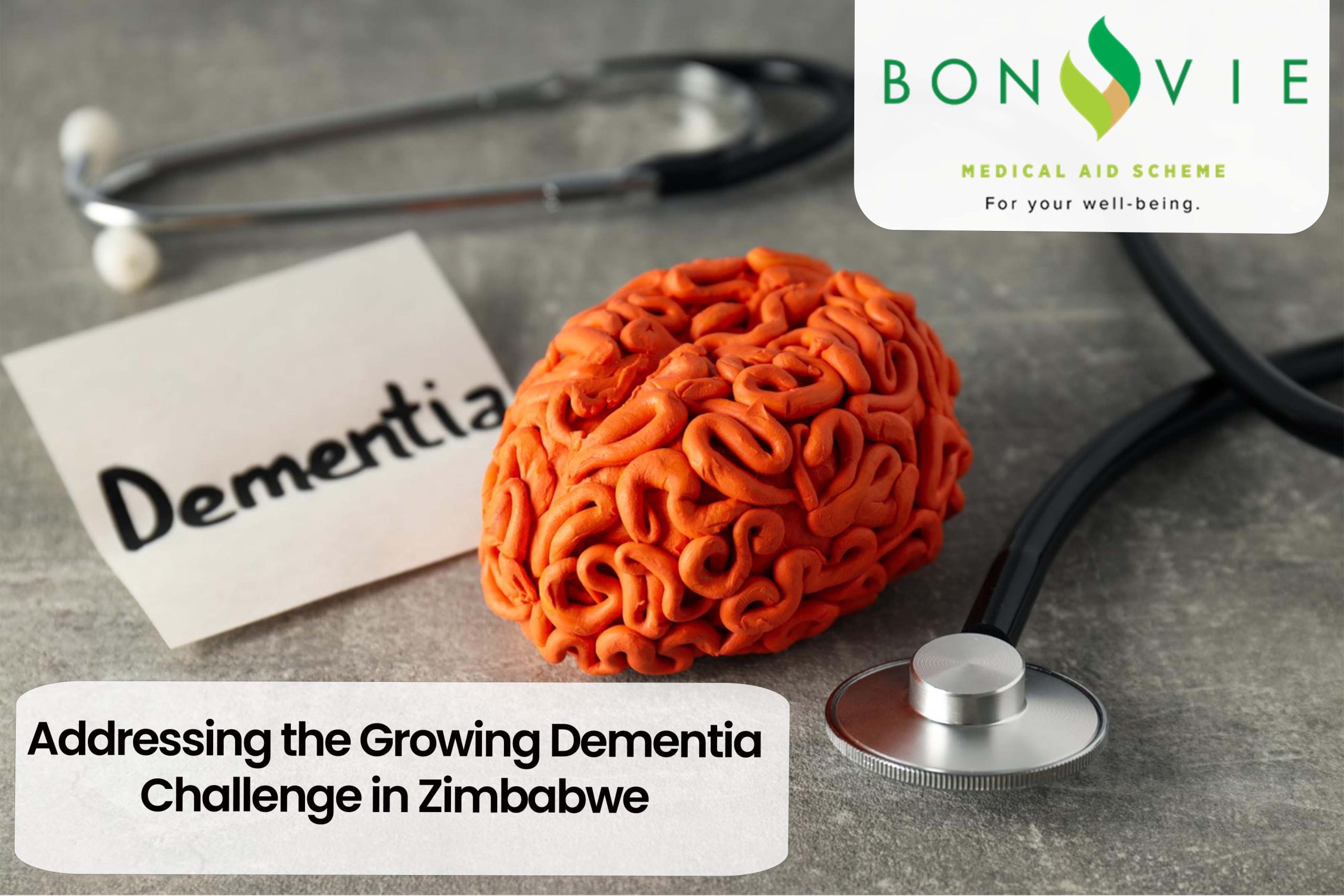
Addressing the Growing Dementia Challenge in Zimbabwe
Written by Professor Stephen Mashingaidze and Rumbidzai Mukori-William for BonVie Medical Aid scheme
Dementia is a rapidly growing health concern in Zimbabwe, with a staggering 27,377 individuals currently living with the condition (1). Projections indicate a 194% increase to 80,386 by 2050, driven by an aging population and overall population growth (2). As we face this crisis, it is imperative that we take immediate action to address the challenges and risks associated with dementia.
The Challenges We Face
One of the significant challenges in addressing dementia in Zimbabwe is getting the correct diagnosis, as there are a wide range of mental health diseases that can have the same symptoms as dementia. A combination of physical examination, lab tests and other diagnostic measures such as blood sugar levels, toxicity exposure measurements and stimulant or drug intoxication. It is also important to take note that there is a lack of awareness about the condition (3). Many people are unaware of dementia, and there is significant stigma attached to it, leading to delayed diagnosis and support. Of growing concern is the earlier onset of dementia, with some being diagnosed at age 40 years, with a greater risk for Africans. Cultural beliefs also play a role, with dementia often being attributed to witchcraft rather than recognized as a medical condition (4). This can lead to delayed treatment and seeking assistance when one is at advanced stage and very little can be done.
Understanding the Risk Factors
Research has shown that consuming ultra-processed foods, common in modern diets, is linked to an increased risk of cognitive decline and dementia (5). Foods that have a combination of flour, sugar, salt which are highly common in the fast food industry are some of the main causes contributing to brain decline. Fast foods are often high in saturated fats, sodium, and added sugars, which can lead to inflammation, oxidative stress, and insulin resistance – all of which are linked to an increased risk of cognitive decline and dementia. With the increasing popularity of fast foods in Zimbabwe, it is becoming a worrying trend (6).
As our population ages, it is crucial that we prioritize healthy lifestyles, including balanced diets and regular physical activity, to mitigate this risk.Also ensuring that despite the fewer taste buds, elderly are given more foods that are low in fat, sugar and salt. Cooking methods such as stewing, poaching, air fryer or grilling are advisable. This in combination with natural seasonings such as dried oregano, parsley, turmeric and raw apple cider vinegar with mother culture are simple ways to aid healing and prevent declining memory.
Image Courtesy of Freepik
Change Office Style and Nutrition Can Help
Adopting a healthy office style and nutrition plan can play a significant role in reducing the risk of dementia (7). Here are some tips:
– Eat a Balanced Diet: Focus on whole, nutrient-dense foods like fruits, vegetables, whole grains, lean proteins, and healthy fats. Avoid sugary drinks and foods high in saturated fats and salt.
– Incorporate Brain-Healthy Foods: Add foods rich in omega-3 fatty acids, antioxidants, and fiber to your diet, such as fatty fish, nuts, and leafy greens.
– Adding iron rich foods, zinc and ensuring that sufficient antioxidants are provided. Vitamin C supplementation or increased consumption using a variety of foods.
A Call to Action
The Zimbabwe Alzheimer’s and Dementia Association (ZARDA) and Alzheimer’s Disease International (ADI) are urging the government to implement comprehensive awareness campaigns and integrate dementia care into national health policies (8). We believe that adopting and expanding global action plans to address dementia is essential to reducing stigma, promoting early diagnosis, and providing support to individuals affected by the condition.
Image Courtesy of Freepik.com
The Way Forward
To effectively address the growing dementia challenge in Zimbabwe, we need a multi-faceted approach that includes:
– Raising public awareness about dementia and reducing stigma
– Integrating dementia care into national health policies
– Providing support structures for individuals affected by dementia and their caregivers
– Promoting healthy lifestyles, including balanced diets and regular physical activity
– Encouraging healthy eating habits and reducing the consumption of fast foods and ultra-processed foods
Authors
Professor Stephen Mashingaidze
Rumbidzai Mukori-William
One Response
I got question on that disease can someone in late 30s can be affected with that disease






I got question on that disease can someone in late 30s can be affected with that disease