Written by Professor Stephen Mashingaidze and Rumbidzai Mukori-William for BonVie Medical Aid scheme
Suicide is a global public health issue that affects individuals, families, and communities. According to the World Health Organization (WHO), approximately 800,000 people die by suicide every year, which is one person every 40 seconds (1). Emerging research has shown that the foods one eats and nutritional deficiencies have an impact on the overall mood and emotional wellbeing, using a holistic approach, with a team of supporting qualified health professionals. In this article, we will discuss the importance of suicide prevention and the role individuals can play in supporting those in need.
Understanding Suicide
Suicide is often the result of a complex interplay of factors, including mental health conditions, trauma, substance abuse, and social isolation (2). It is essential to recognize the warning signs of suicide, such as changes in mood, behavior, or speech, and to take them seriously (3). Understanding these hidden messages requires a high level of skill to predict the silent cry for help, one which many are not able to pick up until at times it is too late.
Breaking the Stigma
One of the significant barriers to seeking help is the stigma surrounding mental health issues and suicide. We need to create a culture where individuals feel comfortable discussing their struggles and seeking support without fear of judgment (4). By promoting awareness and understanding, we can work towards breaking down these barriers.
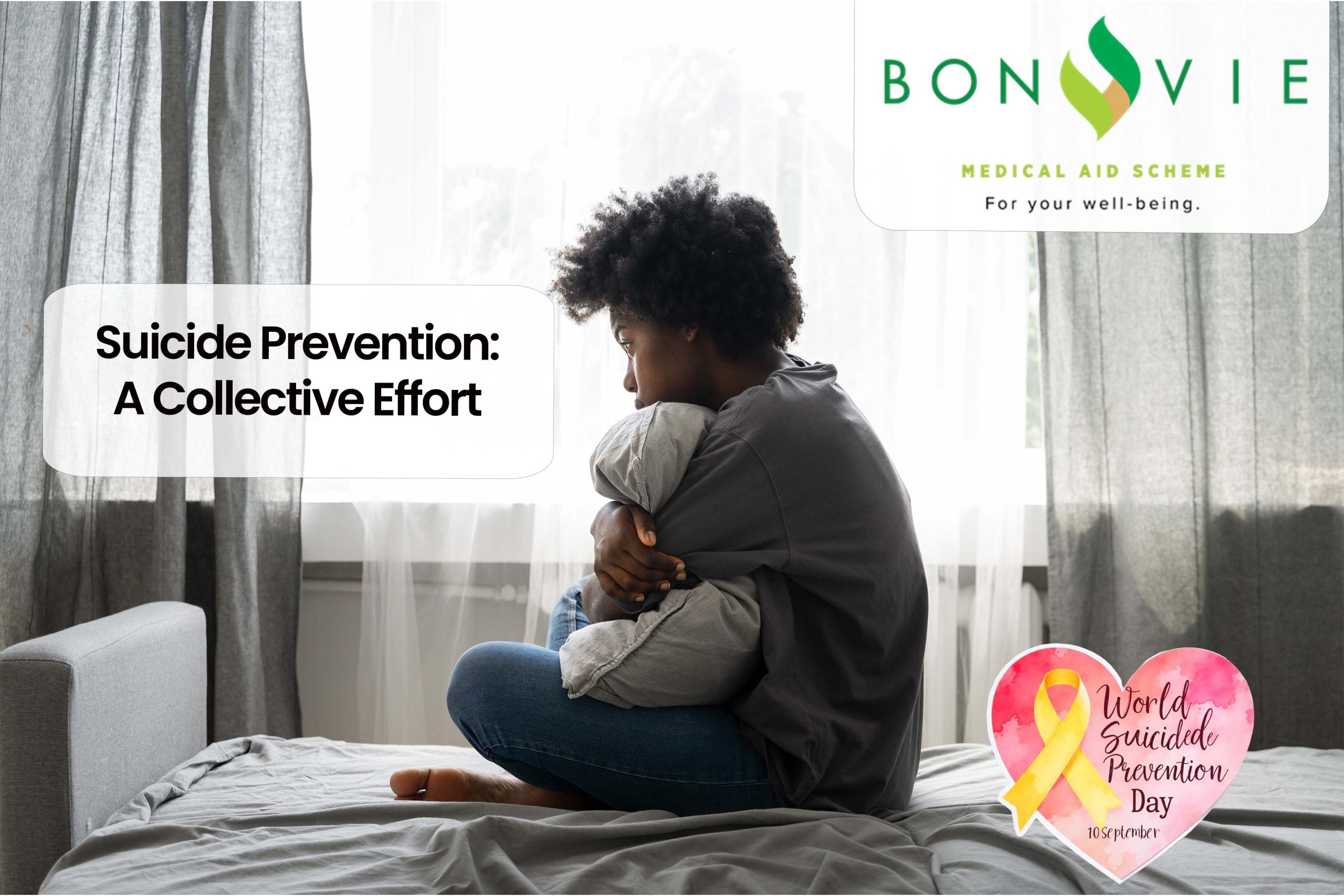
Image Courtesy of Freepik
Supporting Those in Need
If someone is struggling with suicidal thoughts or behaviors, it is crucial to provide them with support and resources. This can include:
– Listening without judgment: Sometimes, all someone needs is someone to listen to them without offering solutions or advice (5). Giving an ear, may seem like it is a waste of time, but it goes a long way as many times, we as human beings are busy and taking time off life to listen has become very difficult, to balance with the busy work or life schedule.
– Encouraging professional help: Mental health professionals can provide individuals with the support and treatment they need to manage their symptoms and develop coping strategies (6). Medical examinations, scans, blood tests and nutrition consultation can go a long way in establishing a repeatable routine that yields good results.
– Reducing access to means: Reducing access to means of suicide, such as firearms or medications, can help prevent impulsive acts (7).
Education on mental health nutrition, on foods that are advisable for emotional wellbeing and a sense of purpose. Foods such as deep fried, salty, high sugar beverages and snacks are linked to a higher incidence of depression, which is a key factor in the rising cases of suicide. Staying well hydrated, drinking more decaffeinated beverages, 2 liters of water per day and avoiding sweetened drinks helps to boost mental health and reduce the risk of emotional instability. Eating a wide range of healthy fats such as avocado, seeds, nuts and oily fish is also very important as it is one of the brain’s key macronutrients for optimal mental health.
Community-Based Initiatives
Community-based initiatives play a vital role in promoting mental health and preventing suicide. These initiatives can include:
– Awareness campaigns: Raising awareness about mental health issues and suicide prevention can help reduce stigma and promote understanding (8).
– Support groups: Support groups provide individuals with a safe space to share their experiences and connect with others who have gone through similar struggles (9).
– Training programs: Training programs can equip individuals with the skills and knowledge they need to support those in need (10).
Image Courtesy of Freepik.com
Conclusion
Suicide prevention requires a collective effort from individuals, communities, and societies. By promoting awareness, reducing stigma, and providing support, we can work towards creating a culture that values mental health and well-being. If you or someone you know is struggling with suicidal thoughts or behaviors, please seek help.
References:
World Health Organization. (2021). Suicide.
National Institute of Mental Health. (2022). Suicide Prevention.
American Psychological Association. (2022). Warning signs of suicide.
Substance Abuse and Mental Health Services Administration. (2022). Reducing Stigma.
National Alliance on Mental Illness. (2022). Listening Without Judgment.
American Psychiatric Association. (2022). Mental Health Treatment.
Centers for Disease Control and Prevention. (2022). Means Reduction.
International Association for Suicide Prevention. (2022). World Suicide Prevention Day.
National Alliance on Mental Illness. (2022). Support Groups.
QPR Institute. (2022). Suicide Prevention Training.