Written by Professor Stephen Mashingaidze and Rumbidzai Mukori-William for BonVie Medical Aid scheme

Plant based diets have shown immense benefits in the management and prevention of inflammatory diseases, such as high blood pressure, type 2 diabetes and cancers. Diets rich in fiber, vitamins, minerals and antioxidants can be an effective approach in reducing risk factors for cardiovascular disease, in combination with lifestyle changes. Plant-based nutrition, in particular, has been shown to be a powerful tool in reducing blood pressure and improving overall cardiovascular health [1].

Key Benefits of Plant-Based Nutrition

Plant-based diets rich in fruits, vegetables, whole grains, and legumes can have a significant impact on blood pressure. The key benefits of plant-based nutrition include [1]:

Lower Blood Pressure: Plant-based diets can reduce systolic and diastolic blood pressure, helping to manage hypertension.

Improved Vasodilation: Nitrates in plant-based foods help relax and dilate blood vessels, improving blood flow and reducing blood pressure.

Antioxidant and Anti-Inflammatory Effects: Plant-based diets are rich in antioxidants and polyphenols, reducing inflammation and oxidative stress, both of which can contribute to high blood pressure.

Foods that Can Help Lower Blood Pressure

Image courtesy of Freepik

Incorporating specific foods into your diet can help lower blood pressure. Some of the most effective foods include [1][3]:

Legumes: Beans, lentils, and peas are rich in protein, fiber, and potassium. Aim for at least 1/2 cup per day [1].

Nuts and Seeds: Unsalted peanuts, almonds, pistachios, and other nuts are high in healthy fats, protein, and fiber. Aim for at least 1 handful of low-sodium nuts daily [1].

Whole Grains: Brown rice, sorghum, quinoa, and whole wheat are rich in fiber, potassium, and magnesium [1].

Vegetables: Leafy greens like spinach, kale, and beet greens are rich in nitrates [1]. Best steamed lightly or enjoyed raw, with a small amount of nuts or seeds or extra virgin olive oil, is a delicious treat to enjoy daily.

Fruits: Berries, citrus fruits, and apples are high in antioxidants, fiber, and potassium [1]. These can be enjoyed freshly cut up or added to a smoothie bowl, served chilled or at room temperature.

Flaxseeds: Rich in omega-3 fatty acids, fiber, and lignans, which support heart health and lower blood pressure [1].

Tomatoes: Rich in lycopene, which reduces oxidation of LDL cholesterol [3].

Oats and millet: High in soluble fiber, which binds to cholesterol and removes it from the body [3]. Flour can be used to make baked foods such as pancakes, cakes, bread, porridge and millet sadza.

Olive Oil: Supports heart health with different types of monounsaturated fats [3].

Carrots: High in potassium and beta-carotene, which provide antioxidant protection for arteries [3].
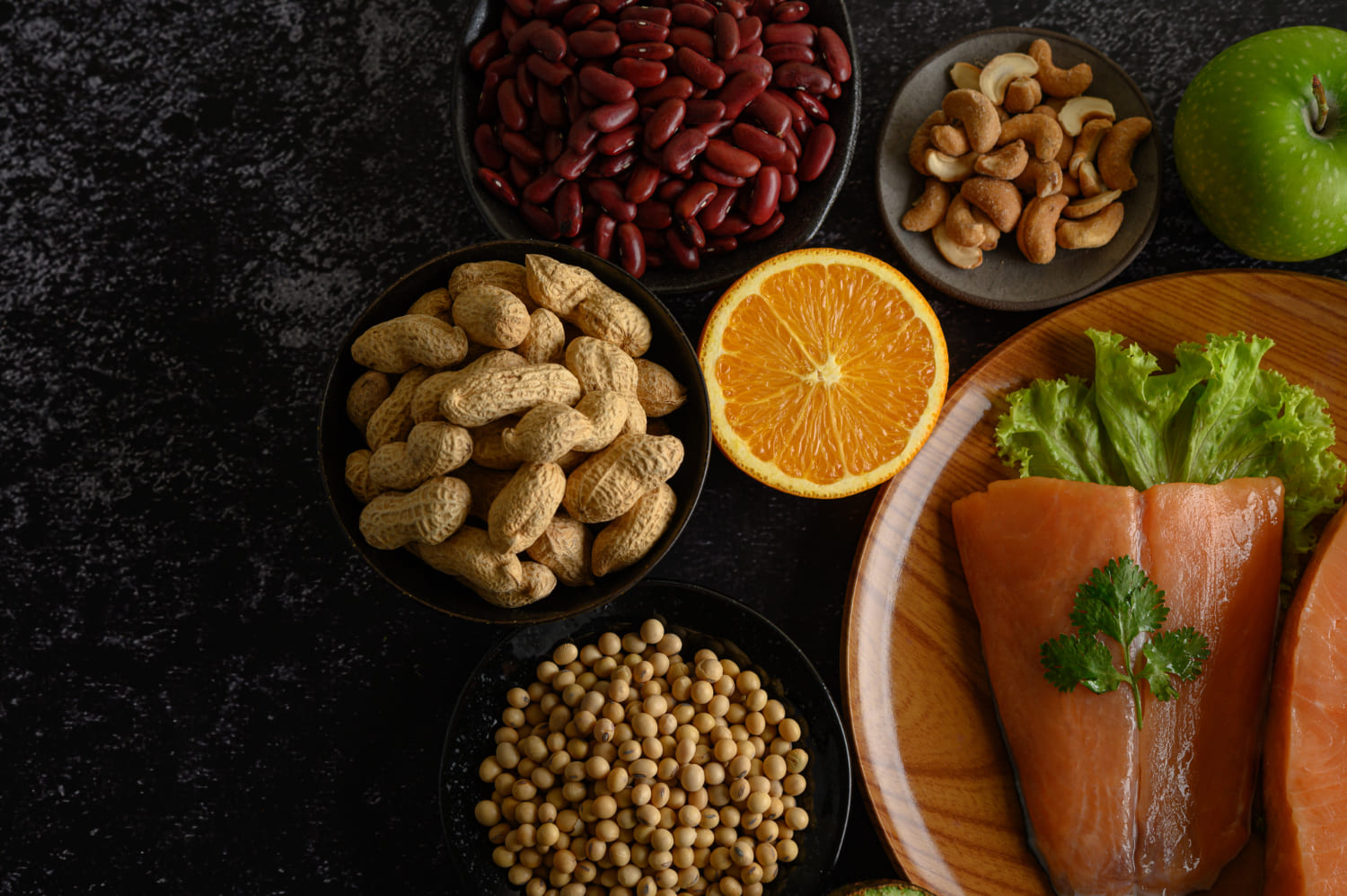
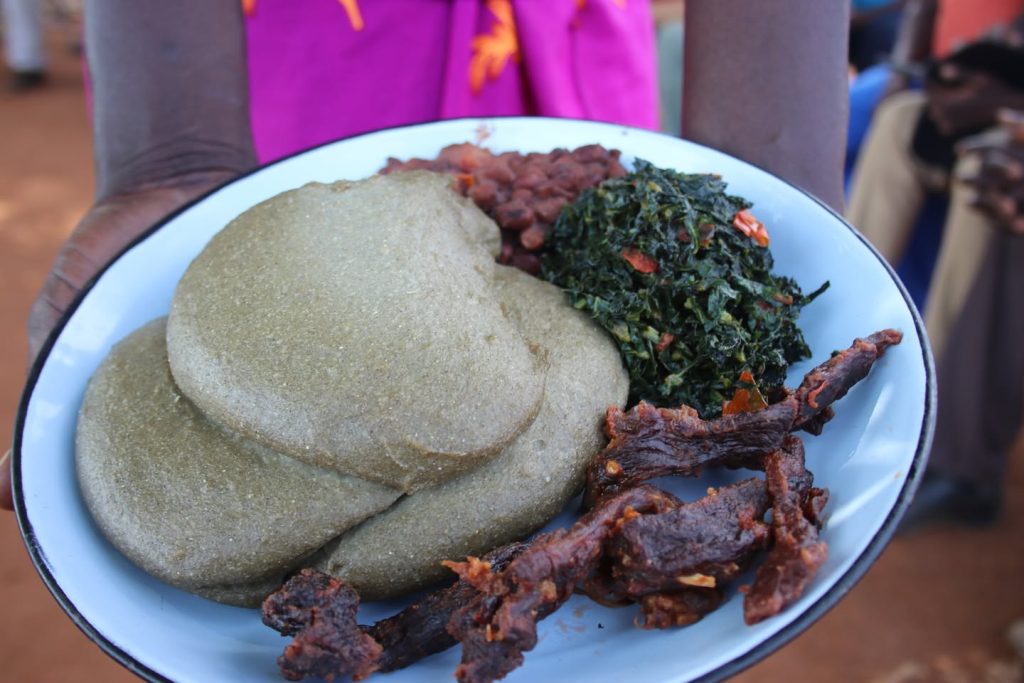
Image courtesy of Nutrition Action Zimbabwe

The Zimbabwean Chinyakare Nutrition Approach

The traditional Zimbabwean Chinyakare nutrition approach, which emphasizes whole, plant-based foods like sadza, vegetables, and fruits, is critical to lowering high blood pressure and promoting overall health. By incorporating these traditional foods into your diet and eating right, you can take a powerful step towards managing high blood pressure and improving your cardiovascular health.

Tips for Implementing a Plant-Based Diet

Implementing a plant-based diet can be simple and effective. Here are some tips to get you started [1]:

Eat a Variety of Foods: Include a range of plant-based foods to ensure you’re getting all necessary nutrients.

Limit Processed Foods: Choose whole, minimally processed foods to avoid added salt, sugar, and unhealthy fats.

Stay Hydrated: Drink plenty of water and limit sugary drinks.

Monitor Your Progress: Work with a healthcare professional to track your blood pressure and adjust your diet as needed.

By incorporating these foods and tips into your diet, you can take a powerful step towards managing high blood pressure and improving your overall cardiovascular health.

Image courtesy of Freepik

References:

  1. Appel, L. J., Moore, T. J., Obarzanek, E., Vollmer, W. M., Svetkey, L. P., Sacks, F. M., … & Windhauser, M. M. (1997). A clinical trial of the effects of dietary patterns on blood pressure. New England Journal of Medicine, 336(16), 1117-1124.
  2. Bazzano, L. A., He, J., Ogden, L. G., Loria, C. M., Vupputuri, S., Myers, L., & Whelton, P. K. (2001). Dietary fiber intake and reduced risk of coronary heart disease in US men and women: the National Health and Nutrition Examination Survey I Epidemiologic Follow-up Study. Archives of Internal Medicine, 161(15), 1899-1906.
  3. Li, D., & Sinclair, A. J. (2016). Dietary nut and cardiovascular disease risk reduction. Journal of Nutrition and Inter The Power of Plant-Based Nutrition in Managing High Blood Pressure

Authors

Professor Stephen Mashingaidze
Rumbidzai Mukori-William

2 Responses

  1. Excellent pieces. Keep posting such kind of information on your page.
    Im really impressed by it.
    Hey there, You’ve done an incredible job. I’ll certainly digg it and in my opinion suggest
    to my friends. I’m confident they will be benefited from this site.

Leave a Reply

Your email address will not be published. Required fields are marked *