The First Gold: Why Breast Milk is the Best Start for Every Baby
Written by Professor Stephen Mashingaidze and Rumbidzai Mukori-William for BonVie Medical Aid scheme
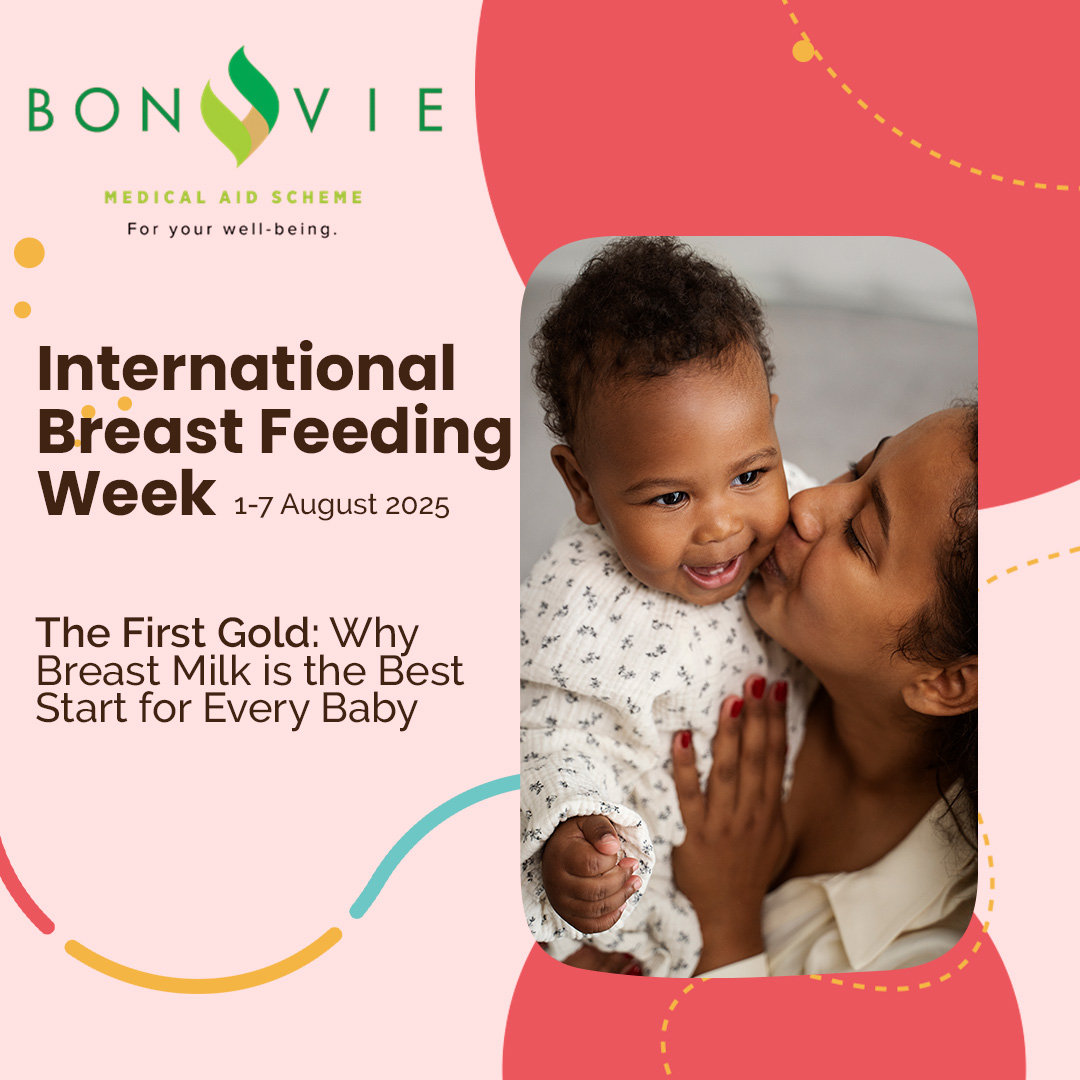
Breast milk is widely recognized as the optimal nutrition for newborns, providing a unique blend of nutrients, antibodies, and bioactive factors that support growth, development, and immune function. As a breastfeeding mom, it’s essential to fuel your body with nutrient-rich foods to support milk production and overall health. A well-balanced diet can help ensure that you and your baby receive the necessary nutrients for optimal health.
In this article, we will explore the unmatched nutritional and immune-boosting benefits of breast milk, highlighting why it is the best start for every baby.
Nutritional Benefits of Breast Milk
Breast milk is a dynamic and complex fluid that adapts to a baby’s changing needs as they grow and develop. It provides the perfect mix of proteins, carbohydrates, fats, vitamins, and minerals, making it an ideal source of nutrition for newborns. Some of the key nutritional benefits of breast milk include:
- Proteins: Breast milk contains proteins that are easily digested and absorbed, supporting growth and development. These proteins are also tailored to the baby’s specific needs, providing optimal nutrition.
- Carbohydrates: Breast milk contains lactose, a carbohydrate that provides energy and supports the growth of beneficial gut bacteria. This helps to promote a healthy gut microbiome, which is essential for immune system development and overall health.
- Fats: Breast milk contains essential fatty acids that support brain and eye development. These fatty acids are also important for the development of the nervous system and overall health.
Immune-Boosting Benefits of Breast Milk

Breast milk is rich in antibodies and bioactive factors that help protect babies from infections and diseases. Some of the key immune-boosting benefits of breast milk include:
– Antibodies: Breast milk contains antibodies that help protect babies from infections and diseases, such as diarrhea, pneumonia, and meningitis. These antibodies are passed by the mother to the baby, providing passive immunity and reducing the risk of infections.
– Anti-inflammatory factors: Breast milk contains anti-inflammatory factors that help reduce inflammation and promote healing. This can help to reduce the risk of chronic diseases and promote overall health.

What to Eat
– Protein-rich foods: Include lean meats, eggs, dairy, beans, lentils, and seafood low in mercury in your diet. Aim for 2-3 servings of protein per day, with a serving size of 3-4 ounces of meat, fish, or poultry [1].
– Whole grains: Choose brown rice, millet, oatmeal, bulgur, and whole-wheat bread and pasta as great sources of complex carbohydrates [2].
– Fruits and vegetables: Enjoy a variety of colorful fruits and veggies, like apples, berries, broccoli, and sweet potatoes, to provide essential vitamins and minerals [3].
– Calcium-rich foods: Include milk, yogurt, cheese, calcium-fortified orange juice, and tofu in your diet to meet your daily calcium needs of 1,300 milligrams [4].
– Omega-3 rich foods: Fatty fish like salmon and sardines are excellent sources of omega-3 fatty acids [5].
What to Drink
– Water: Stay hydrated by drinking plenty of water throughout the day [6].
– Limit caffeine: Avoid excessive caffeine intake, as it can affect your baby’s sleep and behavior [7].
Additional Tips
– Eat a balanced diet: Focus on whole, nutrient-dense foods to support your overall health and milk production [11].
– Listen to your body: Pay attention to your hunger and fullness cues, and adjust your calorie intake accordingly. You may need an additional 340-400 calories per day while breastfeeding [12].
Benefits of a Balanced Diet for Breastfeeding Mothers
A well-balanced diet can provide numerous benefits for breastfeeding mothers, including [14]:
– Improved milk production: A diet rich in essential nutrients can help support milk production and ensure that your baby receives the necessary nutrients for optimal growth and development.
– Better overall health: A balanced diet can help support your overall health and well-being, reducing the risk of chronic diseases and promoting a healthy weight.
– Increased energy: A diet rich in complex carbohydrates, protein, and healthy fats can help provide sustained energy and support your busy lifestyle as a new mom.
Conclusion
In conclusion, breast milk is the best start for every baby, providing unparalleled nutritional and immune-boosting benefits. By breastfeeding, mothers can give their babies the best possible start in life, setting them up for a lifetime of health and well-being.
References:
- American Academy of Pediatrics. (2020). Breastfeeding and the Use of Human Milk.
- United States Department of Agriculture. (2020). Dietary Guidelines for Americans.
- World Health Organization. (2020). Fruit and Vegetable Intake.
- National Institutes of Health. (2020). Calcium and Vitamin D: Important for Bone Health.
- Harvard School of Public Health. (2020). Omega-3 Fatty Acids.
- Mayo Clinic. (2020). Water: How Much Should You Drink Every Day?
- American Academy of Pediatrics. (2020). Caffeine and Breastfeeding.
- Environmental Protection Agency. (2020). Fish and Shellfish Advisories.
- American Heart Association. (2020). Added Sugars and Saturated Fats.
- National Institutes of Health. (2020). Iodine and Thyroid Function.
- Academy of Nutrition and Dietetics. (2020). EatRight: Nutrition for Breastfeeding Women.
- United States Department of Agriculture. (2020). Estimated Calorie Needs per Day.
- National Institutes of Health. (2020). Dietary Supplements for Breastfeeding Women.
- Journal of Human Lactation. (2020). The Impact of Maternal Nutrition on Breast Milk Composition.
Authors