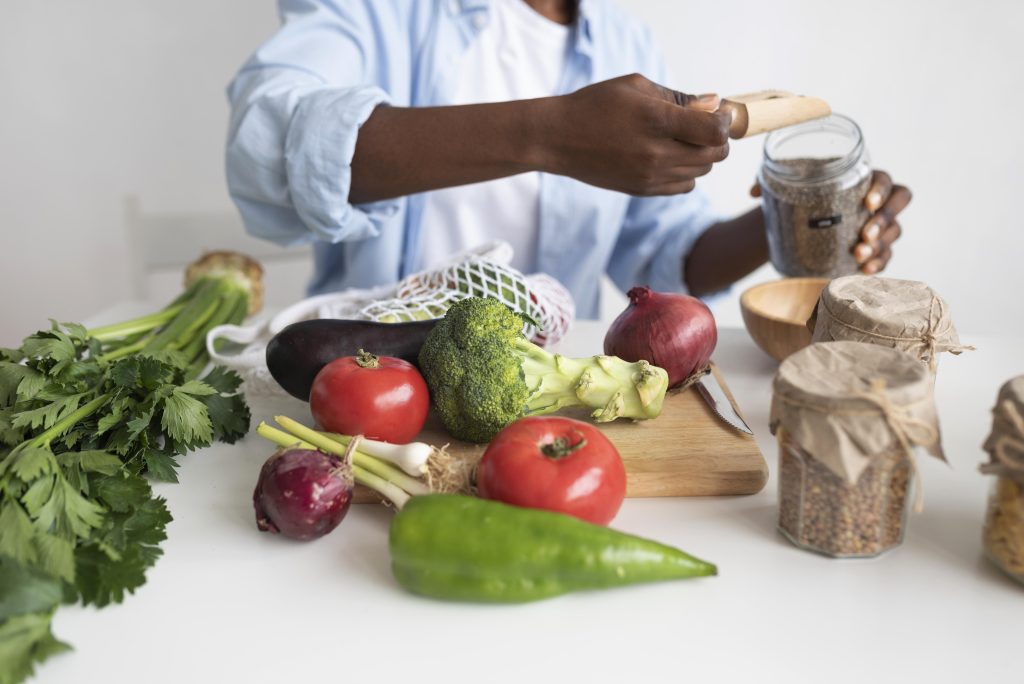
Written by Professor Stephen Mashingaidze and Rumbidzai Mukori-William for BonVie Medical Aid scheme

Herbal remedies date back to over 100 years as the main treatment for diseases, with 25% or more of conventional medicines originating from plants, leaves, stems, and flowers. These can be used as a preventative measure if administered the right way and used at the correct dosage, toxicity level, and time. This is key, as high doses can increase the risk of breast cancer, while the normal doses have a preventative effect on breast cancer prevention. (1)

Herbal remedies act as a breast cancer preventative approach by:

  1. Boosting Immunity: Certain herbs like garlic, moringa, baobab powder, African wormwood, or “mufandichimuka,” oregano, basil, echinacea, and ginseng may help support immune function, although echinacea is not to be taken by those with compromised immunity.

  2. Removing excess cortisol or adrenaline hormones that reduce stress resilience : Herbs like chamomile, ashwagandha, and lavender can promote relaxation and reduce stress. These function by helping to reduce anxiety and stress and improve sleep, although it is difficult to provide full information regarding recommendations for ashwagandha, as various preparations and doses were used. Of key interest, relates to how Ashwagandha is well tolerated during short-term use, but the long-term safety is not known and negative interactions can occur in certain incidents.

    In conjunction with herbal remedies, incorporating organic spices derived from seeds, bark, roots, or fruit into one’s diet may offer potential benefits due to their anti-cancer properties. Here are some guidelines on using organic spices to support breast health, backed by research and expert opinions.

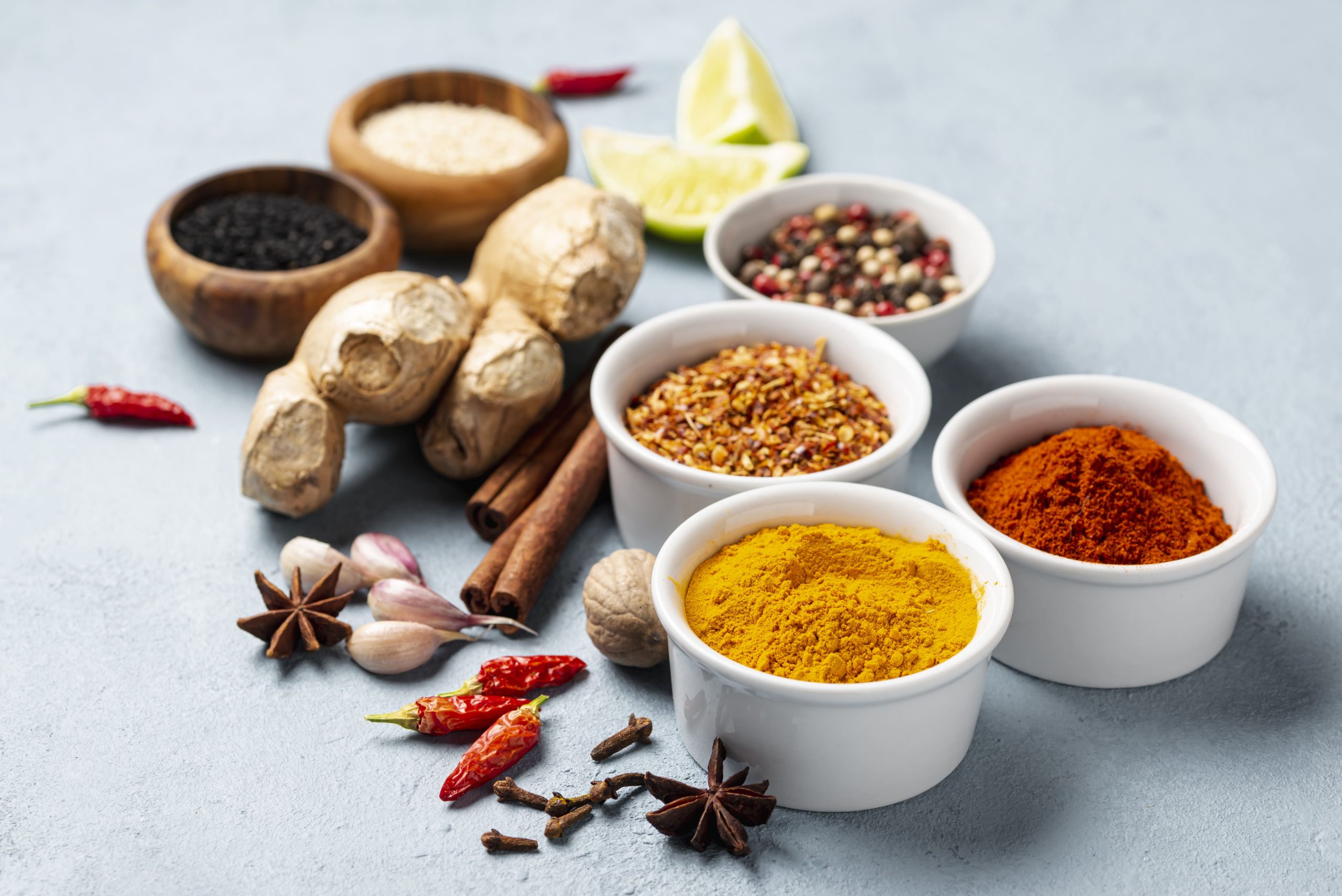
Image courtesy of Freepik

Recommended Organic Spices:

  1. Turmeric (Curcumin): Studies have shown that curcumin’s anti-inflammatory and antioxidant effects may help prevent or treat breast cancer. Recommended dosage: 1/2 teaspoon to 1 teaspoon per day. (2)

  2. Ginger: Research suggests that ginger’s anti-inflammatory compounds like gingerol may inhibit cancer cell growth. Recommended dosage: 1/4 teaspoon to 1/2 teaspoon per day. (3)

  3. Cinnamon: Cinnamon’s antioxidant and anti-inflammatory properties may help reduce cancer risk. Recommended dosage: 1/4 teaspoon to 1/2 teaspoon per day. (4)

  4. Cayenne Pepper (Capsaicin): Studies have shown that capsaicin may help inhibit cancer cell growth and induce apoptosis (cell death). Recommended dosage: small amounts (start with 1/8 teaspoon) due to its potency. (5) 

Image Courtesy of Freepik

Incorporating organic herbs and spices into your diet

  1. Add to meals: Incorporate into your daily meals, such as soups, curries, salads, and stir-fries. Besides adding more nutritional benefits, countries that utilise a large portion of these in meals have been shown to be at a lower risk of breast cancer.

  2. Teas, shots and infusions: Incorporate a combination of herbs and spices or consume one specific type, best enjoyed at the start of each day or as part of your meals instead of consuming the regular store bought traditional teas .

  3. Supplements: Higher dosages of herbs or spices need to be taken into precaution, as brands have varying levels of doses and sources vary based on preferences. Hence it is key to consult with a healthcare provider to ensure that the correct dosage is taken and there are no artificial ingredients which may interact with the efficiency of the supplements.

Precautions and Considerations

  1. Consult a healthcare provider: Before using organic spices as a treatment or supplement or having underlying health conditions.
  2. Quality matters: Choose high-quality products that have research backing or reputable traceable quality certifications that indicate the higher level of processing and final product for consumption.
  3. Balance is key: Incorporate these spices into a balanced diet and lifestyle.

Conclusion

While organic herbs and spices may offer potential benefits in breast cancer prevention and treatment, it is essential to remember that they should not replace medical interventions. A comprehensive approach to breast health includes regular screenings, a balanced diet, exercise, and healthcare consultations. By incorporating organic herbs and spices into a healthy lifestyle, individuals may potentially reduce their risk of breast cancer or support their treatment.

References:

  1. Herbs and Spices in Cancer Prevention and Treatment. 2011. National library of medicine.

  2. Capsaicin: A natural compound with anti-cancer properties. 2016. Journal of Pharmacy and Pharmacology.

  3. Ginger—An herbal medicinal product with broad anti-inflammatory actions. 2005. Journal of Medicinal Food.

  4. Chemistry and biological activities of Cinnamomum cassia. 2006. Journal of Agricultural and Food Chemistry.

  5. Curcumin: A natural anti-cancer agent. 2018. Journal of Pharmacology and Pharmacotherapeutics.

Authors

Professor Stephen Mashingaidze
Rumbidzai Mukori-William

One Response

Leave a Reply

Your email address will not be published. Required fields are marked *