Addressing Complex Issues in Advanced-Stage Breast Cancer with a Nutrition-Integrated Approach
Written by Professor Stephen Mashingaidze and Rumbidzai Mukori-William for BonVie Medical Aid scheme
Advanced-stage breast cancer presents complex challenges, and a comprehensive approach incorporating nutrition can help optimize treatment outcomes and quality of life. Current dietary guidelines fail to address adequate dietary intakes of macro- and micronutrients that may improve patients’ nutritional status. (1) Hence the importance in addressing nutrition using an integrated approach, especially for advanced breast cancer patients during treatment, as opposed to just the traditional therapies being utilised.
Complex Issues in Advanced-Stage Breast Cancer
Treatment Resistance: Advanced-stage breast cancer often develops resistance to conventional treatments, whether from the high doses of medication or interaction of drugs either from nutritional or health immune status.
Metabolic Changes: Recent findings indicate that the dysregulated metabolism in cancer cells is more than a hallmark of cancer but may be the underlying cause of the tumor. Hence the importance in addressing metabolism using nutritional therapies to avoid weight loss, fatigue and other complications such as insulin resistance long term. (2)
Inflammation: Chronic inflammation can contribute to cancer progression and reduce treatment effectiveness. As certain foods have different impacts on the inflammation pathways in the body during treatment, these interactions lead to some of the negative side effects that most advanced breast cancer patients complain of such as fatigue, body pain, bowel issues, anxiety, depression, poor sleep habits and unintentional weight gain or loss from chemotherapy or medication can be managed using this diet. (3)
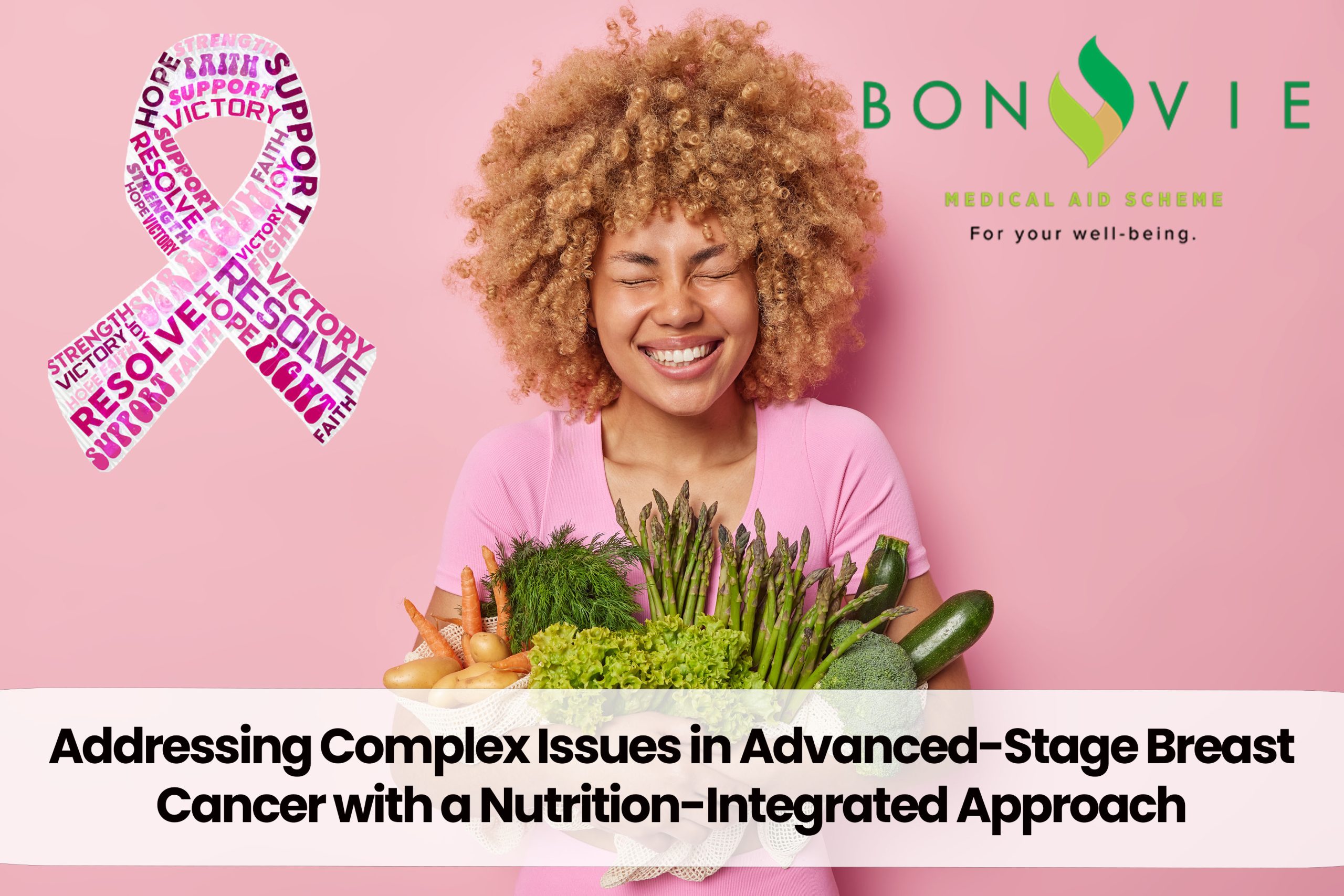
Image courtesy of Freepik
Nutrition-Integrated Approach
Personalized Nutrition: This is the cornerstone for advanced breast cancer and tailor made nutrition plans to meet specific individual needs, so that the overall dietary needs are addressed as opposed to a specific food group. Specifications in nutritional therapy should be based on the patients’ nutritional status, dietary habits, schedule, activities, and cultural preferences. As adequate dietary intakes of food-based macro- and micronutrients rich in β-carotene and vitamins A, E, and C can both prevent deterioration in nutritional status and improve their overall health and prognosis. (4)
Anti-Inflammatory Diets: One study found that a long-term anti-inflammatory diet, implemented post-diagnosis, may lead to improved survival among women diagnosed with breast cancer. (5) Incorporating anti-inflammatory foods such as curcumin or turmeric, omega-3 rich foods, brightly coloured fruits and vegetables may help reduce inflammation. More red and green foods should be incorporated into their diet, such as beetroot, berries, red bell peppers, cherry tomatoes, pomegranate , leafy green vegetables, broccoli, green beans, cabbage and mustard greens are highly recommended.
Nutrient-Dense Foods: Focusing on nutrient-dense foods can help support weight management, energy levels, and overall health. Cancer cells survive on amino acids, having the correct type and amount is essential as these also impact interactions with cancer drugs being administered. (5). Plant based proteins have proven to have the best impact in relation to the blood levels of amino acids of advanced cancer patients. Foods such as beans, lentils, nuts and seeds are excellent foods to be incorporated during treatment.
Image Courtesy of Freepik
Potential Benefits
Improved Treatment Outcomes: A nutrition-integrated approach may enhance treatment effectiveness and reduce side effects.
Enhanced Quality of Life: Proper nutrition can help manage symptoms, improve energy levels, and support overall well-being.
Increased Survival: Some research suggests that a nutrition-integrated approach may contribute to increased survival rates.
Conclusion
Nutritional care is a cornerstone of cancer treatment, with the potential to significantly improve patient outcomes by addressing malnutrition and enhancing recovery. Hence by incorporating a nutrition-integrated approach into treatment plans, individuals with advanced-stage breast cancer may experience improved outcomes and quality of life. Collaboration between healthcare providers and registered nutritionists or dietitians is essential as major dietary changes are being made, especially for those taking blood thinners or insulin.
References:
Dietary Guidelines for Breast Cancer Patients: A Critical Review. 2017. Elsevier.
Cancer as a Metabolic Disorder. 2022. PubMed
Can diet help with advanced breast cancer? All indications are positive, researchers say .2024.
Long-term anti-inflammatory diet in relation to improved breast cancer prognosis: a prospective cohort study. 2020. NPJ Breast cancer.
Authors
Professor Stephen Mashingaidze
Rumbidzai Mukori-William
2 Responses
Hi there Dear, are you in fact visiting this web page regularly, if
so afterward you will definitely obtain fastidious knowledge.
I don’t even understand how I stopped up here, however
I believed this submit was good. I don’t know who you’re however certainly you are going to a well-known blogger if you happen to aren’t already.




Hi there Dear, are you in fact visiting this web page regularly, if
so afterward you will definitely obtain fastidious knowledge.
I don’t even understand how I stopped up here, however
I believed this submit was good. I don’t know who you’re however certainly you are going to a well-known blogger if you happen to aren’t already.
Cheers!